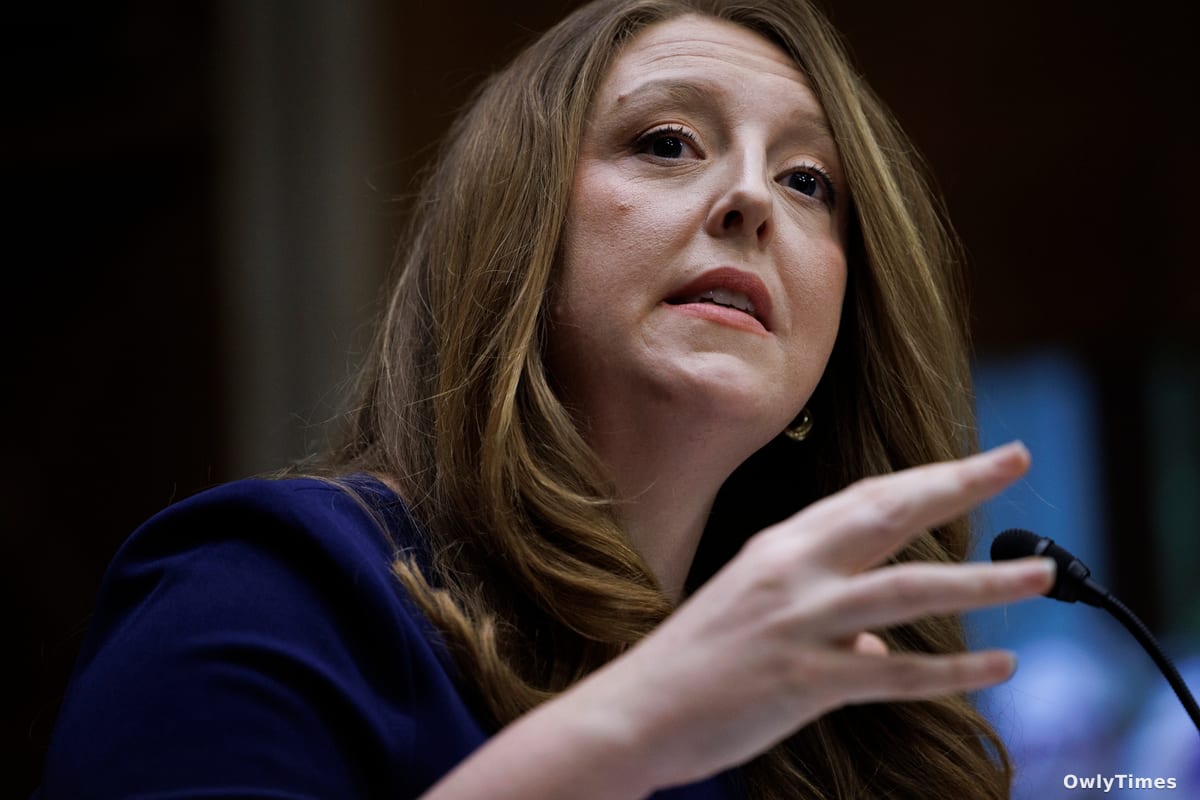

The selection of a Surgeon General requires a delicate balance between alignment with an administration’s policy goals and the rigorous, evidence-based communication expected of the nation’s top physician. Following the withdrawal of Dr. Casey Means—whose nomination stalled in the Senate amid intense scrutiny over her clinical background and vaccine perspectives—President Trump has moved to nominate Dr. Nicole Saphier for the post. This transition highlights a recurring tension in the current administration: the desire to appoint figures who champion the "Make America Healthy Again" (MAHA) movement while navigating the institutional demands of the Senate health committee.
Clinical Background and Institutional Alignment
Dr. Saphier brings a different professional profile to the table than her predecessor. According to her profile at Memorial Sloan Kettering Monmouth, where she serves as director of breast imaging, she holds a medical degree from Ross University School of Medicine in Barbados and completed fellowships at the Mayo Clinic. Her background in radiology and breast cancer diagnosis places her firmly within established clinical practice, a notable contrast to the scrutiny directed at Means, who did not complete her surgical residency and lacks an active medical license.
The nomination comes after a period of legislative deadlock. Means’ path forward faltered after a February 25 confirmation hearing before the Senate Health, Education, Labor and Pension Committee, where she faced pointed questioning from lawmakers—including committee chair Senator Bill Cassidy of Louisiana—regarding her public statements on the hepatitis B birth dose and broader vaccine recommendations. While activists within the MAHA movement, including those who pressured Senators Lisa Murkowski of Alaska and Susan Collins of Maine, sought to bolster her candidacy, the lack of a committee vote ultimately rendered the nomination untenable.
Navigating Political and Scientific Divergence
While Saphier is widely viewed as a supporter of the MAHA movement—having used the phrase as the title of her 2020 book criticizing government health policy—her record suggests a willingness to diverge from the administration’s messaging. In September, Saphier publicly addressed comments made by Trump regarding the use of Tylenol during pregnancy. While Trump suggested a blanket caution against the medication, Saphier characterized his delivery as "patronizing" and "oversimplistic," noting that untreated maternal pain or fever carries its own significant clinical risks.
This instance of independent critique provides a glimpse into how she might approach the role, though it remains to be seen how she will reconcile her own policy positions with the administration’s platform. Like Means, Saphier has expressed skepticism regarding universal hepatitis B vaccination for newborns, suggesting on a podcast in September that the necessity of the dose should be tailored to the mother's risk profile rather than applied as a blanket standard. She has also voiced criticism of COVID-19 booster requirements, framing them as not always evidence-based.
Limitations to Consider
It is critical to distinguish between the political utility of a nominee and the technical requirements of the office. The Surgeon General serves as a vital bridge between complex clinical research and public health directives. While Saphier’s background in breast imaging provides clear clinical experience, her public critiques of established vaccination protocols and health messaging will likely draw intense focus during her own confirmation process. Observers should also note that this is the second time in the current term that a nominee has been withdrawn, following the failed bid of Dr. Janette Nesheiwat, whose academic credentials faced significant questioning.
The next phase of this process will be dictated by the Senate health committee’s response to Saphier’s record. The committee's next steps regarding a formal confirmation hearing will indicate whether the administration can successfully navigate the legislative hurdles that stalled the previous two nominees, or if the current discord between the White House and committee leadership will persist.