
Is the convenience of a globalized food supply chain essentially a high-stakes game of Russian roulette where the cylinder is loaded with microscopic parasites?
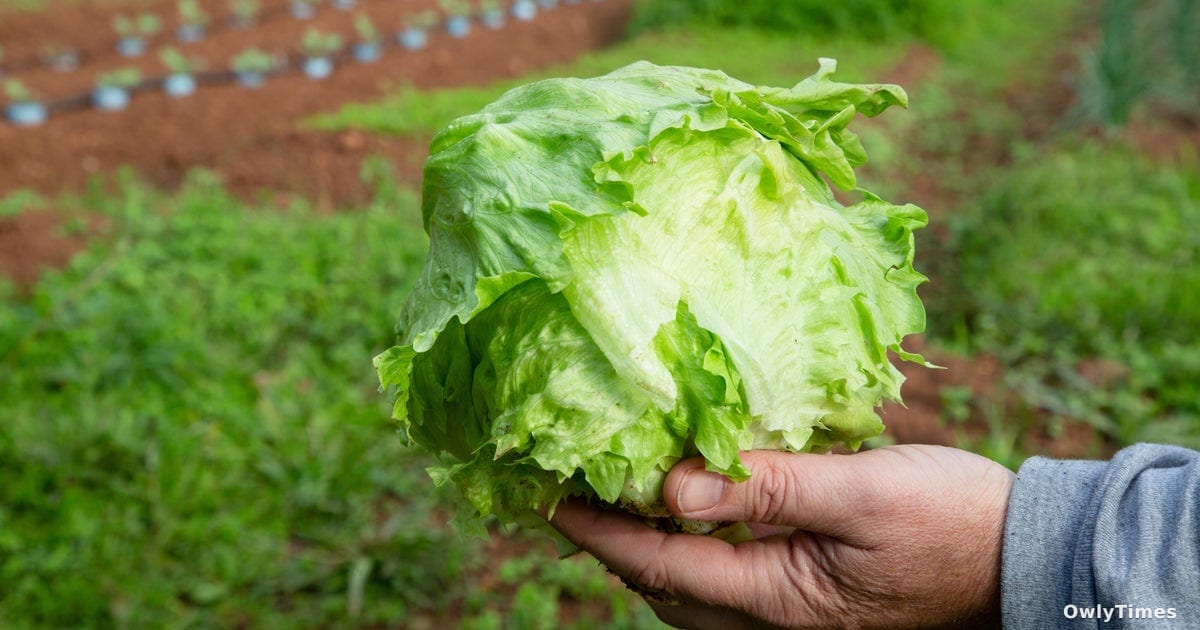
The real story here isn't just a handful of wilted greens at a fast-food counter—it’s the fragility of a "just-in-time" agricultural model that allows a single farm’s contamination to ripple across 27 states in a matter of days. Taylor Farms, a titan of the produce industry, announced Friday that it is voluntarily removing all iceberg lettuce sourced from central Mexico from the U.S. market, according to CNBC. This move follows the identification of the company as the supplier behind a widespread outbreak of cyclosporiasis, a parasitic infection that induces severe, prolonged diarrhea and flu-like symptoms.
While the Food and Drug Administration (FDA) has pointed to a specific, independent farm in Mexico—representing less than 1% of the total U.S. supply—as the potential culprit, the scale of the fallout is massive. The CDC reports that while 1,644 cases have been confirmed across 34 states, officials are actively investigating more than 5,000 additional illnesses. The numbers fluctuate depending on the reporting body; as noted by CBS News, the Michigan Department of Health and Human Services alone has recorded over 5,000 confirmed cases, illustrating the frequent gap between federal tallying and state-level reality.
The Anatomy of a Supply Chain Failure
The tech-driven nature of modern food logistics means that once a contamination event occurs, the cleanup is far more complex than just tossing out a few bags of salad. According to Fortune, the recall involves 25 distinct shredded lettuce and salad mix products sold under eight different brand codes, with some products carrying "best by" dates as late as August 3. The logistical nightmare is compounded by the fact that Sysco, the nation's largest food distributor, has been forced to halt all distribution of Taylor Farms' Mexican-sourced iceberg lettuce, instructing its massive network of clients to destroy the stock immediately.
This isn't an isolated technical glitch; it’s a systemic vulnerability. Cyclospora, a parasite often linked to water contaminated with human feces, thrives in the very global irrigation systems that keep produce prices low and availability high year-round. While the industry touts "traceability," the fact that it took over a month for officials to pinpoint the source highlights how opaque these supply chains remain for the average consumer. For the user ordering a taco, the complexity of the "farm-to-table" journey is invisible until it results in a two-week bout of gastrointestinal distress.
Corporate Damage Control and Market Volatility
The economic impact is already being felt in the data. Placer.ai reports that foot traffic at quick-service restaurants is already seeing a modest dip, and Consumer Edge data shows that year-over-year sales growth at Taco Bell—which confirmed it had removed the lettuce nationwide—slowed to 4.2% in the week ending July 11, the lowest rate since April. Walmart has also joined the fray, pulling four bagged salad products as a precautionary measure, though they maintain there is no direct indication their specific stock is tainted, as reported by CNBC.
A History of Recurrence
This is not Taylor Farms' first brush with such an incident. As noted by NBC News, the company was connected to a 2013 outbreak that sickened 631 people, as well as a 2024 E. coli outbreak linked to slivered onions that resulted in 104 illnesses and one death. When a company is at the center of repeated high-profile safety failures, the "voluntary recall" becomes less of a proactive measure and more of a desperate attempt to salvage brand equity.
The next measurable signal will come from the ongoing FDA traceback investigation, which will ultimately determine if the contamination is confined to that single "independent farm" or if it indicates a broader, systemic failure in the Mexican agricultural processing facilities utilized by major U.S. distributors. Until then, expect the recall lists to grow as distributors and retailers continue to purge their inventories in a climate of extreme risk aversion.