
If the federal government becomes a major shareholder in the companies building our future, does the public actually gain a seat at the table, or does the industry just buy itself a permanent seat in the halls of power?
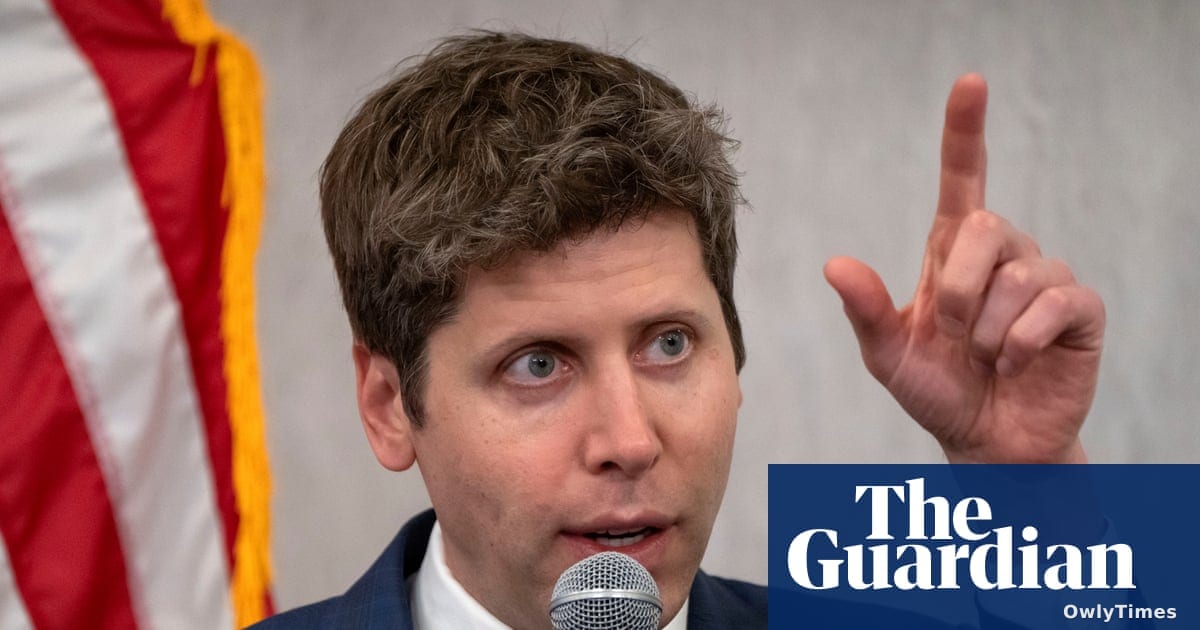
The real story here isn’t a benevolent attempt to socialize AI wealth—it’s an urgent, high-stakes lobbying play to dodge a regulatory bullet. According to The Guardian, OpenAI is in early-stage discussions to hand over a 5% equity stake to the U.S. government. CNBC places a concrete price tag on that offer, noting that based on a recent funding round valuing the lab at $852 billion, that slice would be worth roughly $42.6 billion.
The Strategy Behind the Equity
The proposal, spearheaded by CEO Sam Altman, suggests that this government stake would be held in a sovereign wealth fund, similar to the Alaska Permanent Fund, which distributes oil wealth to state residents. As reported by MarketWatch, Altman has been shopping this concept directly to the highest levels of the Donald Trump administration, including Commerce Secretary Howard Lutnick and Treasury Secretary Scott Bessent.
While the industry frames this as a way to share the "AI boom" with ordinary citizens, the timing suggests a more defensive motive. Washington is currently flexing its muscles in ways that threaten the industry’s bottom line. Last month, Anthropic was forced to disable its most advanced models, Mythos and Fable, to comply with government export control directives, though the company confirmed it restored access this week after addressing safety concerns, according to CNBC.
A Precedent for Public Ownership
This isn't the government’s first attempt to get a piece of the private sector action. The Trump administration has previously taken equity positions in companies like Intel Corp and IBM, specifically securing a 10% stake in Intel following an $8.9 billion investment in August 2025, CNBC notes. President Trump has publicly signaled his approval of this approach, describing government ownership in AI giants as a "beautiful thing" that makes Americans partners in the technological revolution.
However, the vision for a universal stake faces significant hurdles. The Guardian reports that any such deal would likely require an act of Congress to implement. Furthermore, the proposal relies on a broad industry buy-in; Altman envisions rivals like Anthropic, Google, and Meta following suit. As of now, it remains unclear whether these tech giants have any intention of diluting their own equity to satisfy Washington’s appetite for control.
Political Cross-Currents
The political landscape is far from unified on this issue. While Altman is courting the administration, The Guardian highlights that he has also engaged with Democratic Senator Bernie Sanders. Sanders has taken a decidedly more aggressive stance, pushing for a one-time 50% tax on the stock of major AI firms to fund a sovereign wealth fund, rather than relying on the voluntary equity handouts Altman is proposing.
For the everyday user, this tug-of-war is more than a boardroom drama; it determines who controls the guardrails on the intelligence systems that will eventually mediate our access to information and jobs. With both OpenAI and Anthropic preparing for public listings, the next major signal will come when the companies officially file their S-1 documents with the SEC. If those filings include provisions for a government-held vehicle, we will know the deal is no longer just a "conceptual" chat, but a structural reality of the modern AI economy.