
$1.2 Million in Earned Media: How a Staples Employee Became a Marketing Case Study
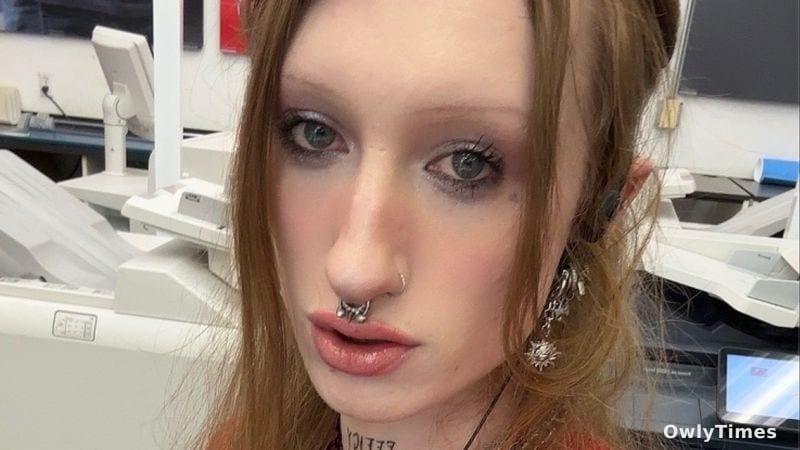
A single TikTok video, filmed on the clock, has generated an estimated $1.2 million in earned media value for Staples, all thanks to Kaeden Rowland, a 22-year-old print specialist who transformed herself into the “Staples Baddie.” This isn’t a story about a carefully orchestrated marketing campaign; it’s a demonstration of how organic content, fueled by genuine enthusiasm and a dash of internet culture, can deliver a return on investment that traditional advertising struggles to match. Follow the money – or, in this case, the TikTok views – and you’ll find a retail giant unexpectedly benefiting from the power of an individual employee’s online persona.
This piece references the CNN report.
Rowland began posting videos on January 13th, initially aiming to showcase Staples’ services – from passport renewals to custom mug printing – to a wider audience. Her approach, however, was anything but conventional. Eschewing polished marketing speak, Rowland injected personality, humor, and a distinctly Gen Z sensibility into her content. A video musing on relationship dynamics tied to discounted mugs (“You’re not getting your shawty a 40% off mug from Staples?”) garnered significant attention, quickly establishing a unique brand identity. This wasn’t about selling office supplies; it was about building a relatable, engaging online presence around office supplies. The contrast is stark: in 2023, Staples spent an estimated $250 million on advertising, according to Statista. Rowland’s impact, achieved with zero direct marketing spend from the company, is rapidly approaching 5% of that figure in earned media alone.
The ripple effect of Rowland’s TikTok fame extended beyond increased foot traffic and online engagement. Within weeks, she was invited to a MAC Cosmetics launch party in Manhattan, a clear indication of her burgeoning influence. This transition from upstate New York Staples employee to attending high-profile industry events highlights a broader trend: the increasing power of micro-influencers and the blurring lines between employee advocacy and brand marketing. While major brands routinely invest in celebrity endorsements, Rowland’s story demonstrates the potential of leveraging authentic employee voices – a strategy that often resonates more deeply with consumers skeptical of traditional advertising. The speed of her ascent is particularly noteworthy; in just two months, Rowland has transitioned from a local employee to a figure attracting attention from major brands and media outlets.
However, the “Staples Baddie” phenomenon isn’t without its internal tensions. A recent Reddit thread revealed some employee frustration, with reports of increased customer demands and a corporate push to replicate Rowland’s success across other stores. This underscores a common challenge in viral marketing: scaling authenticity. Can Staples successfully capitalize on Rowland’s momentum without diluting the genuine connection she’s forged with her audience? The company’s eagerness to engage with Rowland on TikTok and solicit her marketing ideas suggests they recognize the value of her input, but the risk of over-commercialization remains. This is a critical juncture for Staples; they must balance capitalizing on the trend with preserving the organic quality that made it successful in the first place.
Rowland herself is navigating a complex landscape, balancing her newfound fame with her existing commitments and exploring new opportunities, including brand deals with Lyft and aspirations of a modeling career. She’s acutely aware of the potential pitfalls of “selling out,” expressing concern about becoming perceived as a “big, evil billionaire.” This self-awareness, coupled with her stated commitment to remaining true to herself, is a key factor in her continued appeal. As of today, Rowland maintains a consistent posting schedule, continuing to create content that feels genuine and unforced.
What this means for your wallet: expect to see more brands experimenting with employee-led social media strategies. The “Staples Baddie” case study proves that authenticity can be a powerful marketing tool, and that a single, engaged employee can generate significant value. The question now is whether Staples can sustain this momentum, and whether other retailers will be able to replicate this success – or if Rowland’s story is a uniquely serendipitous event. Watch for a surge in brands actively encouraging and supporting employee content creation, and be prepared to see a shift away from heavily produced influencer campaigns towards more relatable, employee-driven narratives.