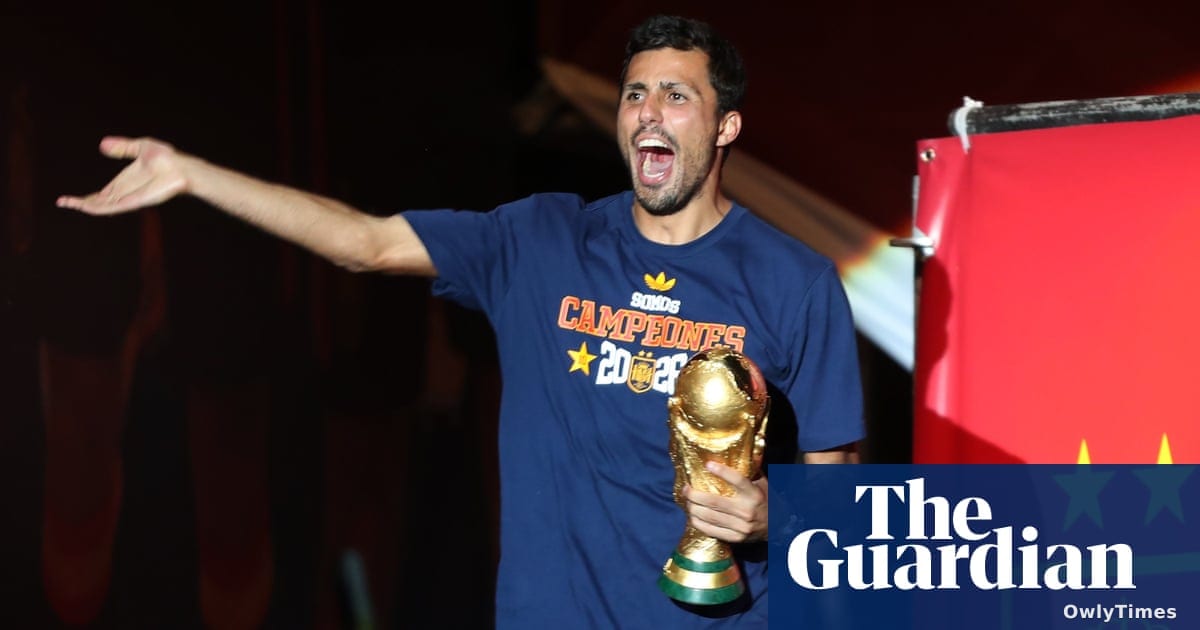

The roar of the crowd at MetLife Stadium faded into a collective sigh, then a stunned silence, as Ferran Torres’s 106th-minute strike confirmed Spain’s 1-0 victory over Argentina in the 2026 FIFA World Cup final. For Argentina, the dream of back-to-back World Cup titles, a feat not accomplished since Brazil in 1958 and 1962, dissolved into the humid New Jersey night. For Spain, it was a triumphant coronation, their second World Cup title, solidifying a remarkable era of dominance.
The final whistle marked not just the end of a grueling tournament, but a seismic shift in the footballing landscape and a poignant moment for Argentina’s legendary captain. Lionel Messi, at 39 years old, had poured his heart into this World Cup, finishing with an astonishing eight goals and four assists, a performance that defied his age. Yet, even his brilliance couldn't overcome a spirited Spanish defense and the disadvantage of playing with ten men after Enzo Fernández received a red card. NPR highlighted that Argentina recorded zero shots and only two touches in Spain’s box through halftime of extra time, a testament to Spain’s suffocating defensive strategy.
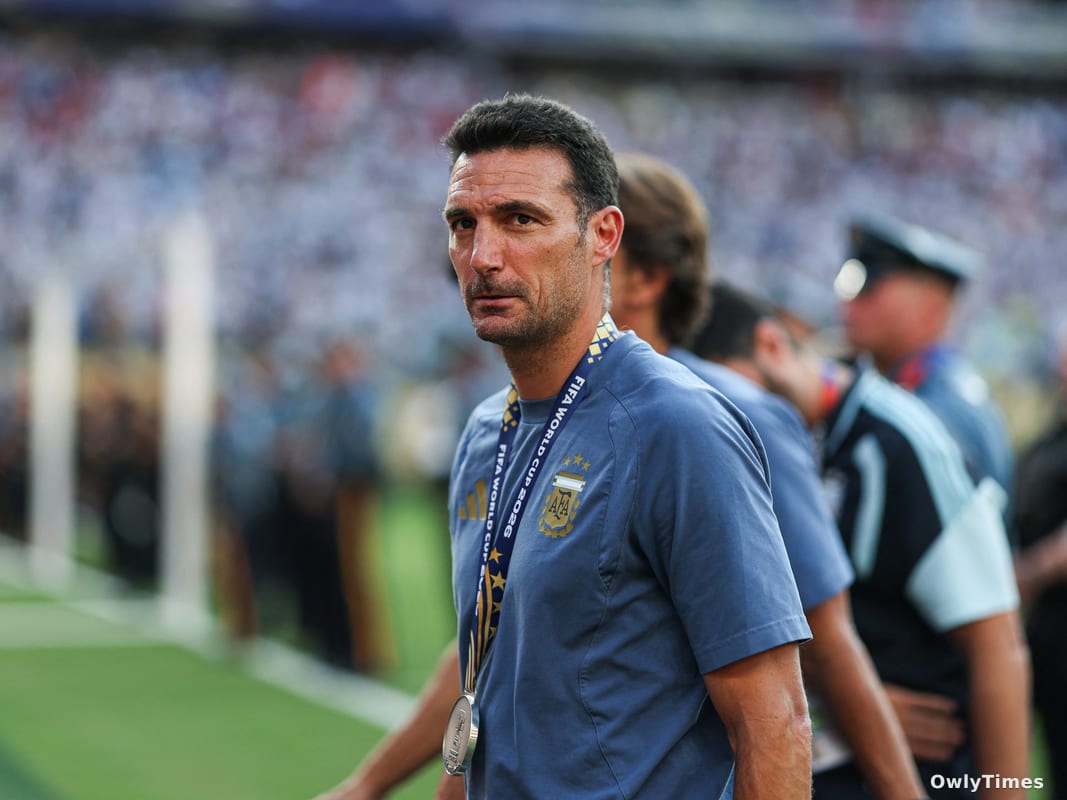
Beyond the headlines of victory and defeat, a profound human drama unfolded in the post-match press conference. A visibly emotional Lionel Scaloni, Argentina’s manager, grappled with uncertainty about his future. "I will talk to the president," Scaloni stated, as reported by Al Jazeera, his voice thick with emotion. "I have an idea of what I would like to do. I will see out my contract, and I feel the need to think, as I don’t know if something as big can be done [again]." The 48-year-old, who was appointed amidst skepticism in 2018, has transformed Argentina into the most decorated manager in the country’s history, leading them to the 2021 and 2024 Copa America titles and two consecutive World Cup finals.
The weight of expectation, and the sheer difficulty of sustaining such a high level, weighed heavily on Scaloni. He acknowledged the immense challenge of recreating the camaraderie and drive of the squad that had achieved so much. "Creating a group like this again, that is very difficult," he confessed, tears welling in his eyes. The Guardian noted that Scaloni expressed deep gratitude to his players, emphasizing that their effort set a great example for the nation. He also spoke with immense pride about Messi, calling him "the best football player ever to set foot on a pitch" and expressing hope that everyone would feel proud of his achievements.
Spain’s victory, meanwhile, capped off a season of unparalleled success. As NPR pointed out, Spain’s men’s team is now the reigning World Cup and European Championship champion, a feat mirrored by their women’s team, marking the first time a country has held both titles simultaneously. Their path to the title was a masterclass in defensive solidity, conceding only one goal throughout the tournament, a record for a World Cup champion, according to NPR. This defensive prowess was evident in the final, where Emiliano Martínez, Argentina’s goalkeeper, made a remarkable 11 saves, the most ever recorded in a men's World Cup final.
The 2026 World Cup, the first to feature 48 teams and co-hosted across North America, was an event of unprecedented scale, as highlighted by NBC News. It also served as a stage for both established legends and emerging stars. While Messi and France’s Kylian Mbappé continued to etch their names in history – Mbappé now the all-time World Cup scoring leader with 22 goals – the tournament also saw the rise of new heroes. The event itself, with its elaborate halftime show featuring global pop stars, even drew comparisons to the Super Bowl spectacle, a nod to American entertainment culture, though it sparked debate among traditional soccer fans.
The cultural significance of this World Cup extends beyond the pitch. Spain’s triumph, celebrated with immense passion across the country, as described by The Guardian, represents a collective ideal in a tournament that often indulged the cult of the individual. For Argentina, the loss, while painful, underscores the enduring spirit of a nation that consistently produces world-class talent and passionate football. Scaloni’s tearful uncertainty about his future and Messi’s likely final World Cup appearance create a poignant transition, signaling the end of an era for La Albiceleste.
This moment matters for the industry because it highlights the cyclical nature of sporting success and the immense pressure on managers and players to sustain excellence. Scaloni's introspective reflection on the difficulty of rebuilding a championship-caliber team resonates deeply, reminding us that behind every trophy is a human endeavor requiring constant reinvention. The 2026 World Cup final was more than just a game; it was a powerful narrative of human resilience, the bittersweet taste of near-victory, and the ever-present challenge of what comes next in the relentless pursuit of sporting glory.