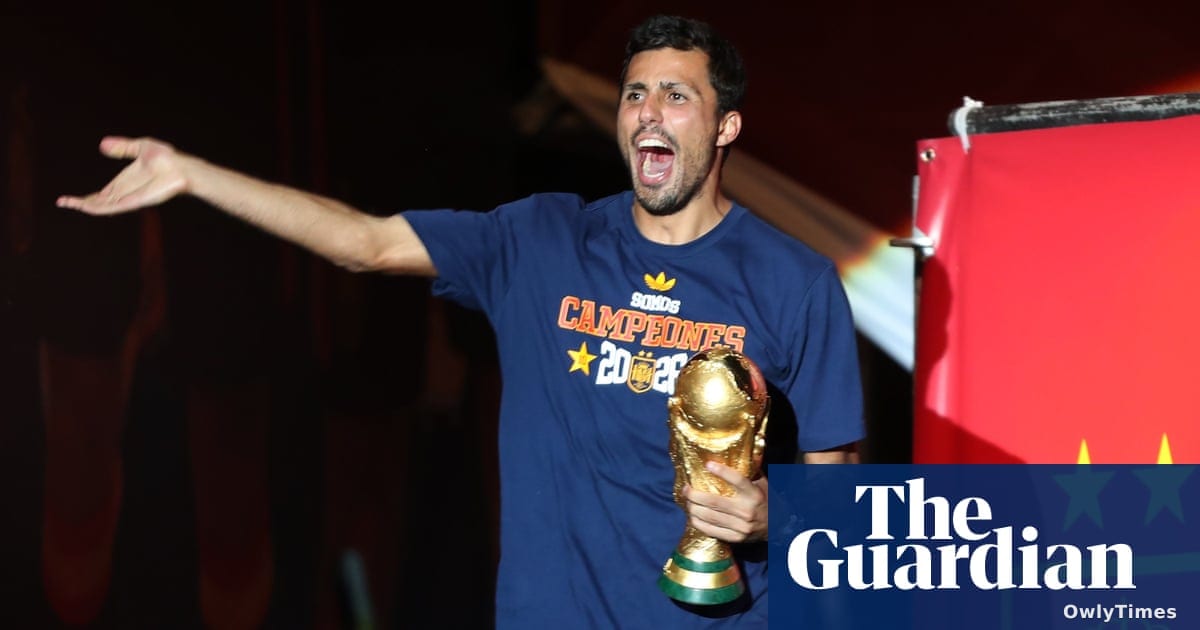

The golden glitter had barely settled on the bobbly pitch of the New York New Jersey Stadium in East Rutherford when the contrasting realities of the 2026 World Cup final laid themselves bare. On one side of the field, Lionel Messi, the 39-year-old icon of a generation, sat in tears after collecting his runners-up medal, grappling with what is expected to be his final World Cup appearance. On the other, Spain’s midfielder Rodri hoisted the trophy into the bright blue American sky, signaling a changing of the guard. It was a climax of pure human drama, a 1-0 extra-time thriller decided in the 106th minute by a clinical strike from Ferran Torres that secured Spain’s second World Cup title, their first since 2010.
A Super Bowl Spectacle on the Soccer Pitch
This final was never going to be just about the ninety minutes of football—or, as it turned out, the grueling 120 minutes of tense, physical play. As reported by CNBC, the event was treated to a massive, Super Bowl-inspired halftime show curated by Coldplay’s Chris Martin, featuring high-octane performances from global superstars Shakira, Madonna, BTS (including members Jimin, V, J-Hope, and Jung Kook), Justin Bieber, and Burna Boy. This entertainment extravaganza underscored a broader cultural shift, transforming the world’s most popular sporting event into a highly commercialized, Americanized entertainment product. The fusion of pop culture and athletics was dizzying, yet it often felt like football was briefly relegated to a sideshow.
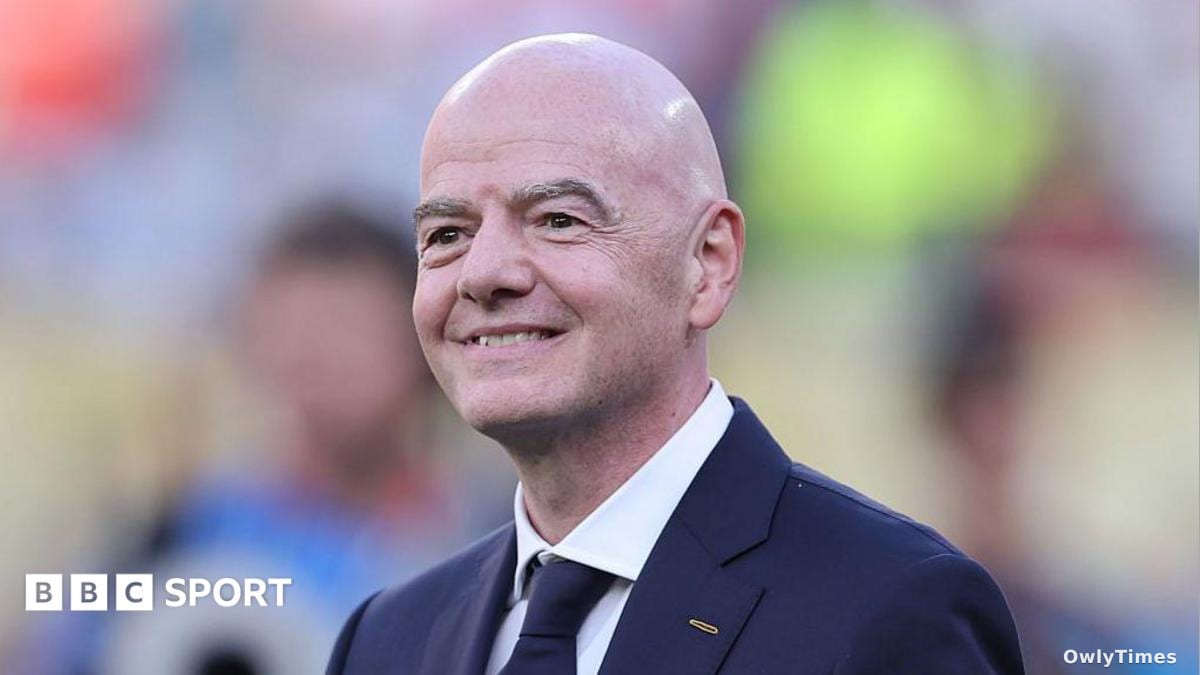
The political theater was equally sharp. When FIFA President Gianni Infantino and U.S. President Donald Trump stepped up to the podium for the medal presentation, they were greeted by loud boos from the crowd, as noted by CNBC. Trump was joined in attendance by the leaders of the other co-hosting nations, Mexican President Claudia Sheinbaum and Canadian Prime Minister Mark Carney, representing the political alliance behind this massive, three-nation tournament. Yet, despite the political and commercial noise, the pure sporting drama remained intact, highlighted by Pau Cubarsí winning young player of the tournament and Argentina's Enzo Fernandez being sent off in the 93rd minute, followed by Paredes receiving a red card after the final whistle, according to The Guardian.
Madrid Erupts in National Delirium
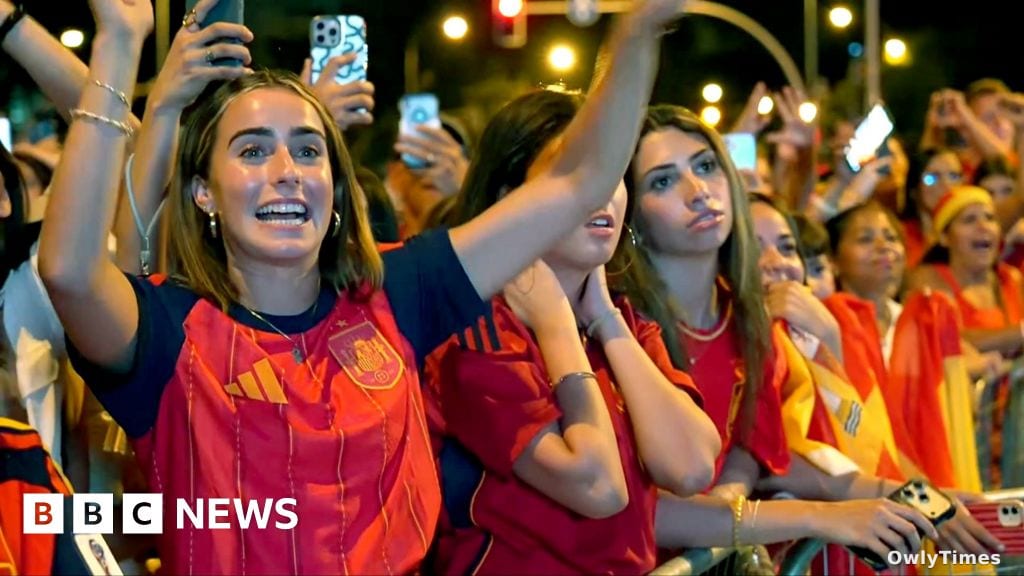
While the drama unfolded in New Jersey, the heart of the celebration beat thousands of miles away in Spain, where a stifling summer heatwave could not deter the fans. As The Guardian reported, with temperatures hovering around 32 Celsius at 9 p.m. on Sunday, thousands of supporters packed central Madrid’s Plaza de Colón under a massive 35-kilogram national flag to watch the match on giant screens. The BBC's Guy Hedgecoe was on the ground as the crowd counted down the final seconds of extra time, erupting into a frenzy of singing, dancing, and car horns that lasted long into the early hours of Monday morning. Nineteen-year-old fan Victor Alvarez told journalists he had slept only three or four hours but would "do whatever it takes" for the team, while 59-year-old civil servant Gema Rodero spoke of the intense joy of watching the historic victory from home.
The celebration reached its peak on Monday when the victorious squad, nicknamed La Roja, returned home to a royal and political welcome. According to Al Jazeera, an estimated 1.8 million to 2 million fans lined the historic avenues of Madrid to glimpse the open-top team bus emblazoned with the slogan "Stars shine together." The players met with Spain’s royal family and Prime Minister Pedro Sanchez at the Moncloa Palace, where Sanchez thanked the squad for their "style of play, the effort, and the victory." The parade culminated at Cibeles Square, where 120,000 fans braved 35 Celsius heat to watch a ceremony featuring performances by singers Aitana, Ana Mena, and Lola Índigo.
However, the national euphoria was tragically dampened. Al Jazeera reported that a 13-year-old boy in Salamanca died during the celebrations when a fountain he and his friends had climbed collapsed. This somber note served as a stark reminder of the intense, sometimes dangerous passion that football ignites.
The Environmental Cost of a Globalized Game
Beyond the headlines of athletic triumph and street parades lies a more complicated story about the sheer scale of the modern sporting industry. The 2026 tournament was the most far-flung World Cup in history, spanning three countries, 16 cities, and four time zones. This vast geographic footprint was mirrored in the travel habits of FIFA's leadership. An analysis by Fortune revealed that Gianni Infantino spent over 115 flight hours in the air during the 39-day tournament, traveling 59,281 miles on a private Gulfstream G650 jet provided by the Qatari government.
Infantino's travel itinerary was staggering:
- He attended 44 matches across all 16 stadiums.
- He crossed international borders within North America 23 times through the semifinals.
- He made 13 double-header match days, sometimes flying hundreds of miles between afternoon and evening games.
This prodigious jet-setting stands in stark contrast to FIFA’s public pledge to reduce its carbon emissions by 50% by 2030 and achieve net-zero by 2040. Climate researchers and environmental groups, cited by Fortune, pointed out that this expanded tournament was likely the most carbon-intensive World Cup ever, raising serious questions about the sustainability of future mega-events.
Why This Moment Matters for Football Culture
This World Cup final represents a critical turning point for both the sport and global culture. Spain's victory—coupled with their Women's World Cup win in 2023—makes them the first nation to hold both the men's and women's world titles simultaneously. As Spain coach Luis de la Fuente celebrated a triumph built on a collective, disciplined style of play, the tournament marked the twilight of the individual superstar era, exemplified by a tearful Messi and a defeated Argentina coached by Lionel Scaloni.
Yet, as the game moves toward a more collective on-field philosophy, its off-field reality is becoming increasingly corporate, sprawling, and environmentally demanding. The boos directed at Infantino and Trump in New Jersey, contrasted with the raw, grassroots joy—and tragedy—on the streets of Madrid, highlight a widening chasm. The future of football will be decided by how the sport balances this insatiable appetite for globalized spectacle with the local, human passion that gives the beautiful game its soul.