
What defines athletic supremacy when two distinct footballing philosophies clash under the global spotlight? To understand Spain's grueling 1-0 victory over Argentina in the 2026 FIFA World Cup final, we must look beyond the emotional narrative of a singular moment of heartbreak and analyze the raw data of performance under pressure. By examining the tactical metrics, environmental variables, and physiological demands of this historic match, we can address the fundamental question of whether sustained statistical dominance or late-game emotional resilience is the true driver of tournament success.
Analyzing the Data of Spain's Historical Dominance
While popular headlines often paint World Cup finals as balanced, dramatic affairs decided by mere fate, the empirical evidence from MetLife Stadium in New Jersey on July 19, 2026, tells a far more one-sided story. According to CBS News, Spain thoroughly dominated the match, outshooting Argentina 20 to 3 during the 106 minutes of play. Interestingly, there is a slight conflict in the reporting of these offensive metrics: while CBS News notes three total shots for Argentina, The Independent reports that the South American side failed to register a single shot on target, highlighting the extreme defensive pressure applied by the Spanish squad. Spain also took nine corner kicks compared to Argentina's single corner, maintaining an offensive chokehold that finally culminated in a 106th-minute goal by substitute Ferran Torres.
This relentless pressure forced Argentinian goalkeeper Emiliano Martínez to deliver a historic performance to keep his team alive. As reported by CBS News, Martínez recorded 12 saves—the most ever registered in a World Cup final—including a crucial diving stop against a 22-yard free kick from 19-year-old sensation Lamine Yamal. However, the physical toll on Argentina became unsustainable after midfielder Enzo Fernández received a red card in the third minute of second-half stoppage time for a reckless tackle on Pau Cubarsi. Playing the entirety of extra time down a man, the defending champions finally succumbed when Torres bounced a left-footed shot under the crossbar, securing Spain's second World Cup title.
Physiological Demands and Environmental Variables
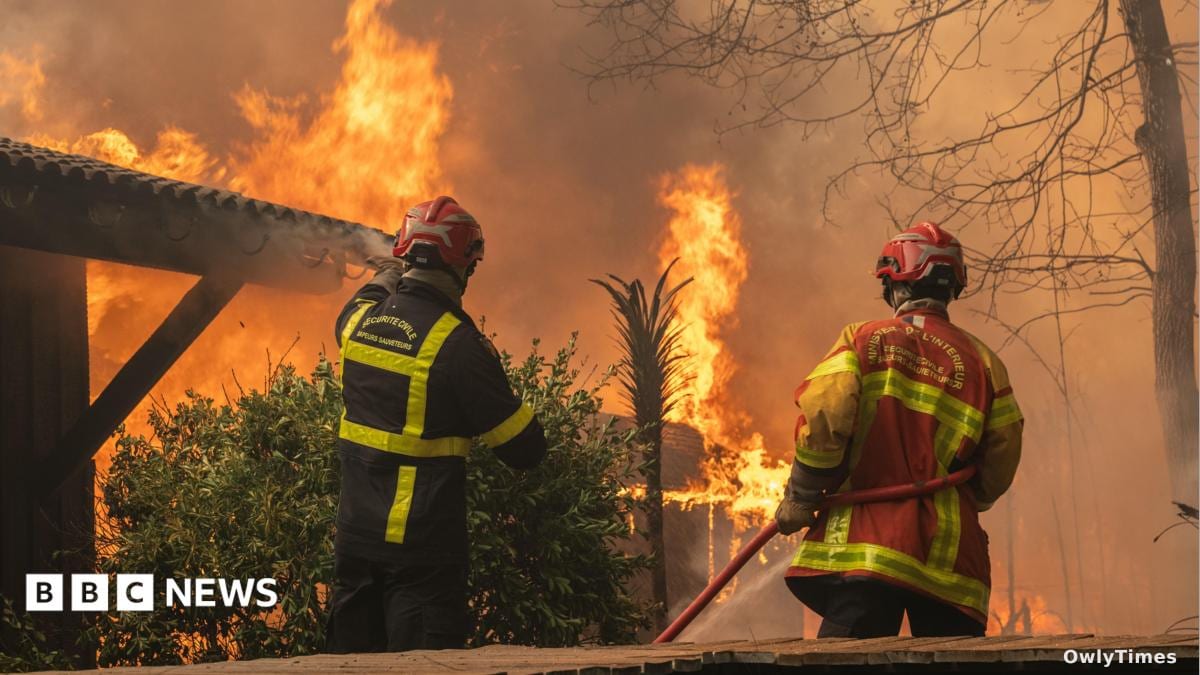
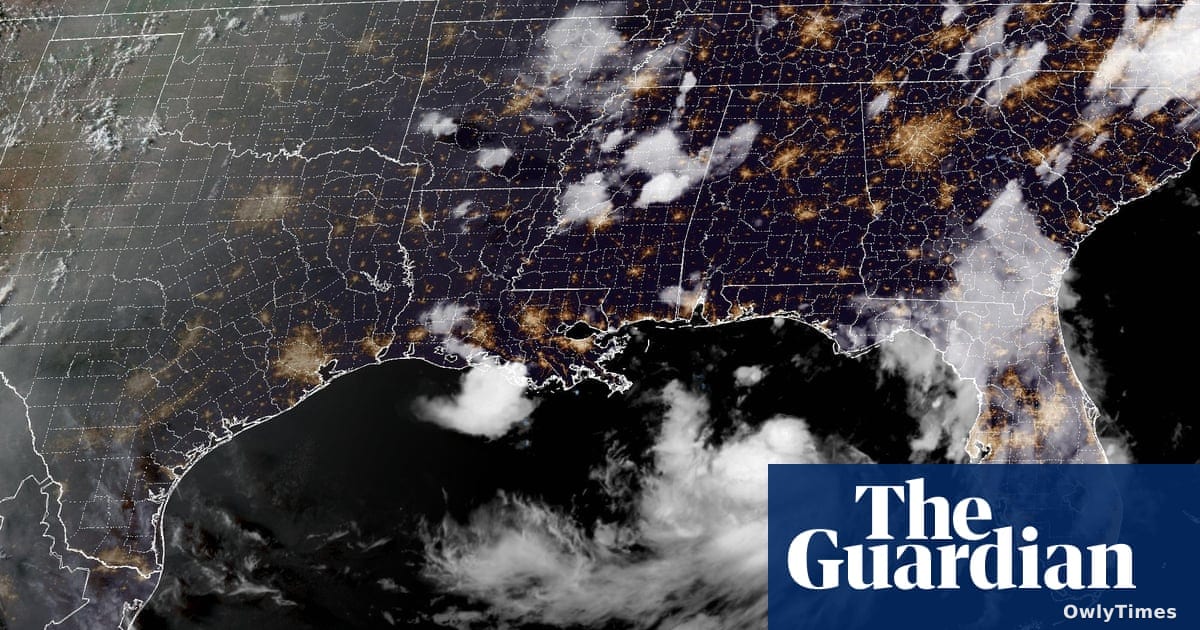
When evaluating the performance of both squads, several compounding variables and limitations in the data must be considered. The 39-day tournament, which was the largest in history with 48 nations competing across the United States, Canada, and Mexico, placed unprecedented physical demands on the athletes. To mitigate the extreme summer heat, FIFA implemented mandatory hydration breaks for all 104 matches, a protocol that NPR noted drew criticism from soccer purists but was essential for player safety. Additionally, the final was played under clearing skies following days of heavy wildfire smoke drifting from Canada, a environmental variable that tournament officials closely monitored in the lead-up to kickoff.
Furthermore, we must account for the tactical limitation of analyzing Argentina's performance solely through the lens of the final. As NPR points out, Argentina is a team notorious for slow starts and high-stress "heart attack specials," having previously bounced back from a shocking opening loss to Saudi Arabia in 2022, and surviving tight matches against Cape Verde and England in the 2026 tournament. In their semifinal against England, Argentina did not awaken until after the 55th minute when England scored, eventually equalizing in the 85th minute and winning in stoppage time. However, relying on late-game emotional surges is a highly volatile strategy; when faced with a Spanish defense that allowed only one goal in eight matches—a new World Cup record—Argentina's historical pattern of late-game rallies reached its physical and tactical limit.
Political Superstitions and the Emotional Aftermath in Buenos Aires
Beyond the pitch, the match generated significant cultural and political discourse, ranging from lighthearted superstitions to civil unrest. The Independent reported on the resurgence of the "Trump curse" on social media after U.S. President Donald Trump publicly backed Argentina in a pre-match interview with Fox's Jenny Taft, stating "it's hard to bet against Messi." This endorsement followed a pattern of sporting events where teams backed or attended by the president suffered unexpected defeats, such as the U.S. men's national team crashing out 4-1 against Belgium after Trump intervened to overturn a red card for forward Folarin Balogun.
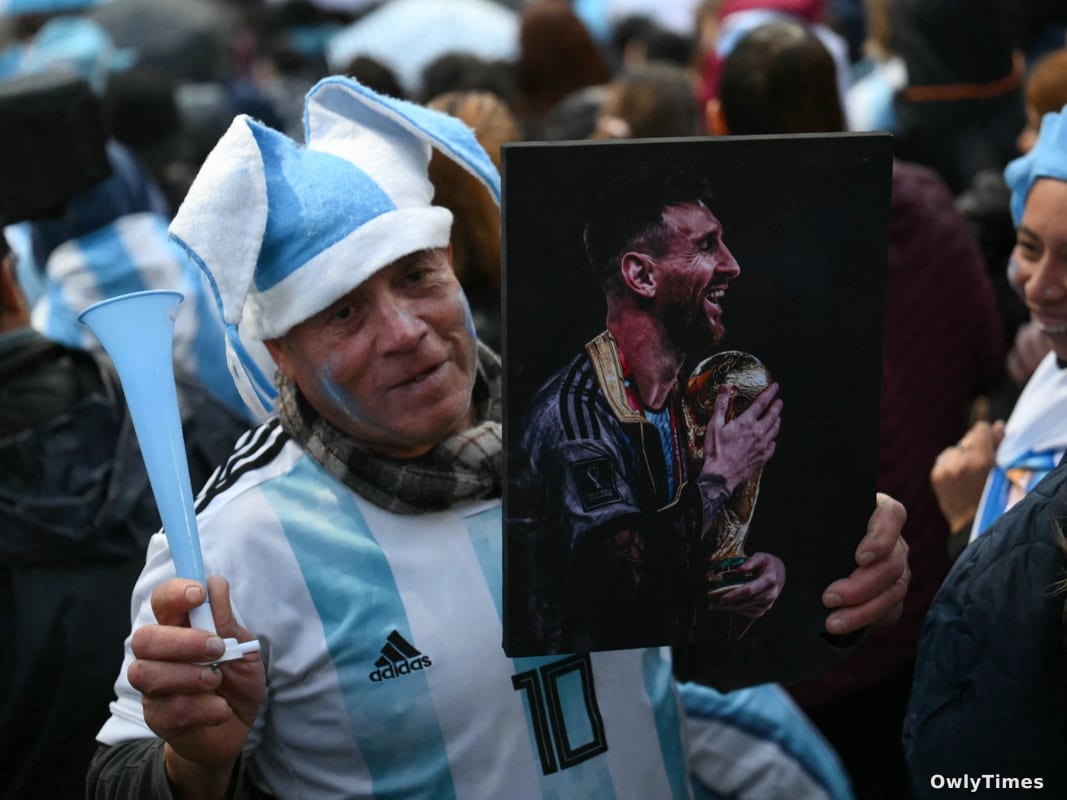
In Argentina, the heartbreak of failing to secure back-to-back World Cup titles—a feat not achieved since Brazil in 1958 and 1962—manifested in contrasting ways. While thousands of fans gathered peacefully at the Obelisk in Buenos Aires to celebrate their team's journey, the emotional high turned volatile late Sunday night. According to Al Jazeera, brief clashes broke out at the monument, prompting riot police to use water cannons, tear gas, and rubber bullets to disperse the crowd. Both Al Jazeera and Euronews confirmed the deployment of armored vehicles and police on motorcycles to manage the unrest, which resulted in 15 people being detained.
Despite the chaos in the capital, a deep sense of gratitude prevailed as the team returned home on Monday. Draped in flags and holding blue-and-white umbrellas, thousands of fans braved rain and cold temperatures outside the Argentine Football Association (AFA) training complex near Ezeiza international airport. As Al Jazeera reported, coach Lionel Scaloni and the squad received a red-carpet welcome with a military band, though iconic captain Lionel Messi and several other players were notably absent from the flight, having remained in the United States.
Next Steps in Athletic and Tactical Research
To fully understand the long-term implications of this tournament, sports scientists and tactical analysts must now focus on several key areas of inquiry. First, researchers need to evaluate the physiological impact of the expanded 48-team format. Studying player recovery times, soft-tissue injury rates, and the efficacy of mandatory hydration breaks during a grueling 39-day tournament will be crucial as FIFA prepares for future expanded iterations. Additionally, analyzing how Spain's defensive structure—which set a historical record under 65-year-old coach Luis de la Fuente—managed to completely neutralize Argentina's transition play will likely redefine defensive coaching paradigms over the next World Cup cycle.
The next measurable signals of these evolving strategies will occur during the upcoming CONCACAF Nations League this fall, followed by the anticipated Copa América in 2028. These tournaments will serve as critical testing grounds to observe whether the growing passion for soccer in North America sustains its momentum, and whether a transitioning Argentine squad can rebuild its tactical framework without the consistent presence of Lionel Messi.