
Two Layoffs and a One-Way Ticket: The $68,000 Question of Redefining Success
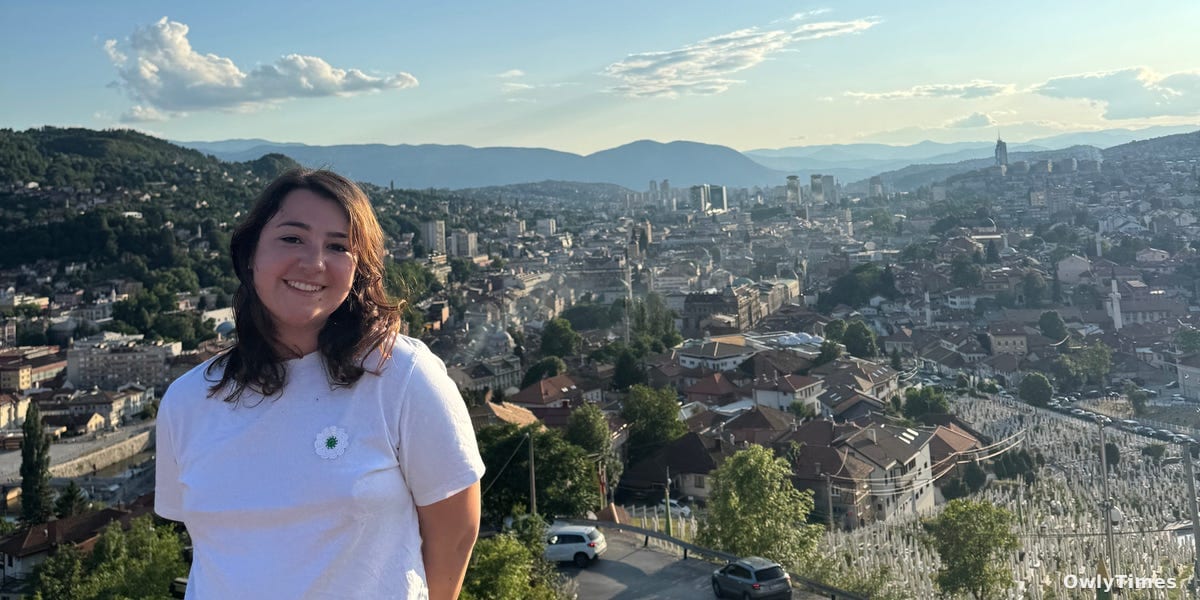
$68,000. That’s the average cost of a two-year sabbatical, according to a 2024 study by the Global Wellness Institute – a figure representing lost income and travel expenses for individuals like Macie Strum who actively choose to disrupt their career trajectories. Strum’s story isn’t about escaping hardship, but about a deliberate financial and emotional calculation: the cost of not redefining success outweighed the cost of doing so. Following two layoffs in 2023 and a personal upheaval, Strum embarked on a two-year journey across Asia, Australia, and Europe, ultimately landing in Sarajevo, Bosnia and Herzegovina, and a freelance journalism career. Her experience highlights a growing trend – a rejection of traditional American success metrics in favor of prioritizing well-being and purpose, a shift with significant implications for labor markets and consumer spending.
The catalyst for Strum’s departure was a confluence of events. A breakup in January 2023 was followed by layoffs in May and again at the end of the year, totaling two job losses within 12 months. While job losses are cyclical, the broader economic context is crucial. The U.S. Bureau of Labor Statistics reported 1.8 million mass layoff events in 2023, a 21% increase year-over-year, suggesting a heightened level of precarity for many workers. Strum’s initial reaction wasn’t panic, but a growing disillusionment with a life she described as feeling like “a trap,” built on expectations of marriage, homeownership, and a 90-minute commute. This disconnect between aspiration and reality is increasingly common, particularly among millennials and Gen Z, who are facing stagnant wages and rising costs of living.
Strum’s decision to sublet her apartment, sell her belongings, and purchase a one-way ticket to South Korea wasn’t impulsive. It was a calculated risk, a redirection of capital – both financial and emotional – away from traditional investments and towards self-discovery. The average cost of living in Sarajevo is approximately 40% lower than in major U.S. cities, according to Numbeo, allowing Strum to build a freelance career without the financial pressures she experienced stateside. This geographic arbitrage is a key component of the “slow living” movement gaining traction among remote workers and digital nomads, a demographic estimated to comprise 16 million people globally by 2027, according to Statista. This represents a significant shift in talent distribution, potentially impacting local economies in both sending and receiving countries.
Source material: Business Insider.
The impact of Strum’s journey extends beyond her personal finances. Her experience in Vietnam, observing a lifestyle prioritizing routine and family over relentless productivity, underscores a fundamental cultural difference. The U.S. consistently ranks among the most overworked nations globally, with Americans averaging 40.8 hours per week in 2023, according to the OECD – significantly higher than the OECD average of 37.4 hours. This relentless pursuit of productivity has been linked to increased rates of burnout and mental health issues, costing the U.S. economy an estimated $300 billion annually in healthcare expenses and lost productivity. Strum’s observation highlights a potential alternative: a re-evaluation of work-life balance and a prioritization of well-being.
Now based in Sarajevo, Macie Strum is building a career as a freelance journalist, a path that allows for both financial independence and continued travel. This represents a deliberate decoupling of career and location, a trend facilitated by the rise of remote work and the increasing accessibility of global travel. The freelance economy is growing rapidly, with Upwork reporting a 78% increase in freelance job postings between 2019 and 2023. This shift presents both opportunities and challenges. While it offers greater flexibility and autonomy, it also requires self-discipline, financial planning, and access to reliable internet connectivity.
What this means for your wallet: The story of Macie Strum isn’t just about one woman’s journey; it’s a signal of a broader cultural shift. As more individuals question traditional success metrics and prioritize well-being, expect to see continued growth in the freelance economy, increased demand for remote work opportunities, and a potential re-evaluation of the cost of living in major metropolitan areas. The key question for investors and consumers alike is this: will companies adapt to this changing landscape by offering more flexible work arrangements and prioritizing employee well-being, or will they continue to cling to outdated models, risking a talent exodus and a decline in productivity?