
Is Silicon Valley finally facing a reckoning, or is this just a particularly clumsy power play? The Trump administration’s scorched-earth campaign against Anthropic isn’t about protecting national security – it’s about establishing who writes the rules for the future of artificial intelligence. The real story here isn't a dispute over access to AI; it’s a blatant attempt to demonstrate that even companies prioritizing ethical safeguards are subject to the whims of political pressure, and a signal to the entire tech industry about the cost of dissent.
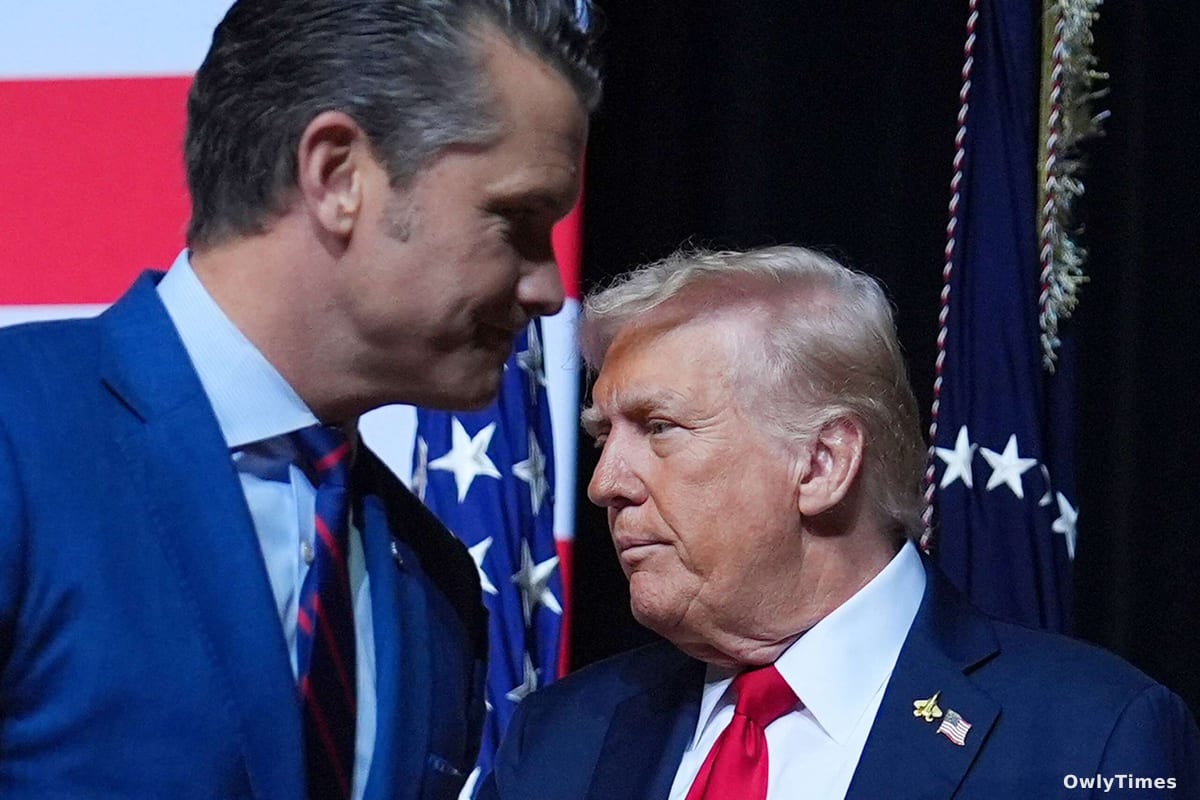
The conflict erupted publicly after Dario Amodei, CEO of Anthropic, refused to grant the Pentagon unrestricted access to its AI chatbot, Claude. The Pentagon, backed by President Trump and Defense Secretary Pete Hegseth, demanded unfettered use, accusing Anthropic of endangering national security. This culminated in a Friday directive ordering all U.S. agencies to cease using Anthropic’s technology, and a designation of the company as a “supply chain risk” – a label typically reserved for foreign adversaries. Trump’s pronouncements, delivered via Truth Social in all caps, were less a policy statement and more a declaration of war against a “radical left, woke company.”
See the original federalnewsnetwork.com story for the full account.
But the Pentagon’s insistence on “unrestricted access” is the core of the problem. They claim they only intend to use the technology legally, yet simultaneously demand the right to deploy it without limitations. This contradiction wasn’t lost on Senator Mark Warner, who questioned whether national security concerns were driving the decision or simply political considerations. Hegseth’s invocation of the “supply chain risk” designation is particularly telling; it’s a tool designed to counter hostile foreign entities, not penalize an American company for prioritizing ethical AI development. The move feels less like a measured response to a security threat and more like a punitive measure for daring to push back.
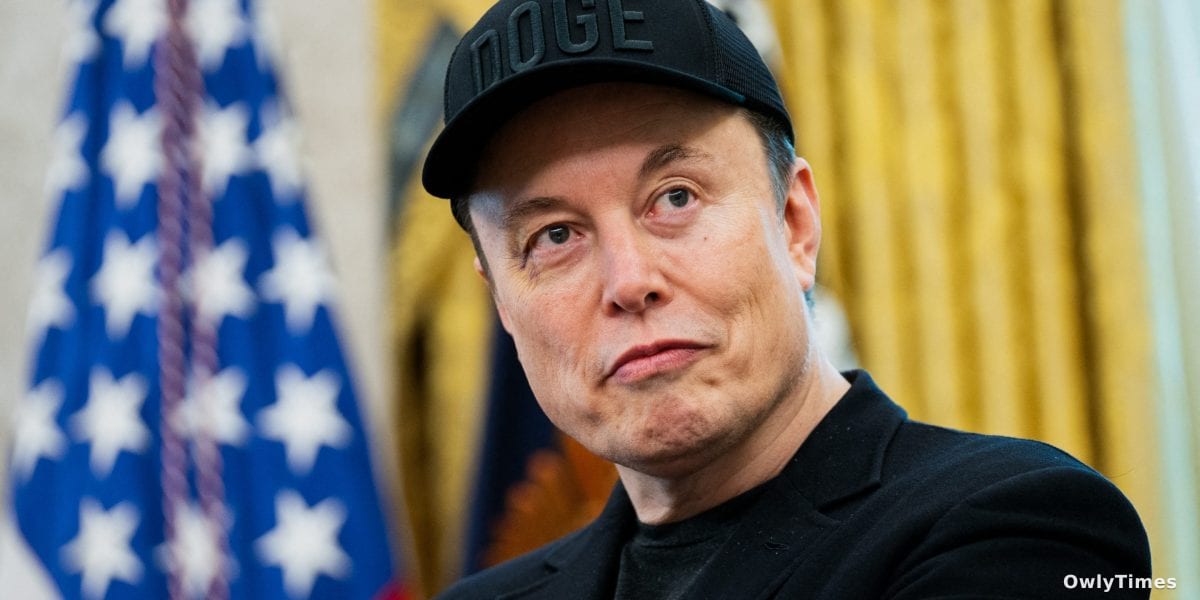
Hours after Anthropic was effectively sanctioned, Sam Altman, CEO of OpenAI, announced a deal with the Pentagon to supply its AI to classified military networks. Crucially, Altman emphasized that the agreement includes the same “red lines” that triggered the dispute with Anthropic: prohibitions on domestic mass surveillance and human responsibility for the use of force. This isn’t a victory for responsible AI; it’s a calculated maneuver. OpenAI, seemingly willing to accept the Pentagon’s terms, has positioned itself to fill the void left by Anthropic, potentially benefiting from its competitor’s principled stand. Elon Musk, predictably, sided with the administration, claiming Anthropic “hates Western Civilization,” while simultaneously positioning his own chatbot, Grok, for Pentagon access. The entire situation reeks of a manufactured crisis designed to showcase compliance.
The fallout extends beyond these two companies. Google, with its own evolving military contract, is now facing implicit pressure to fall in line. The message is clear: cooperate, or risk similar repercussions. Retired Air Force Gen. Jack Shanahan pointed out the absurdity of “painting a bullseye” on Anthropic, noting that Claude is already widely used within the government and that its safeguards were “reasonable.” He also underscored a critical point often lost in the hype: these large language models aren’t ready for deployment in high-stakes national security scenarios, especially not for autonomous weapons. The administration’s actions aren’t accelerating innovation; they’re potentially forcing the premature integration of immature technology into critical systems.
Anthropic can likely absorb the financial blow of losing the Pentagon contract, but the broader implications are far more concerning. This isn’t just about one company; it’s about the future of AI ethics and the extent to which the government can dictate the internal policies of private businesses. The average user should be paying attention because this sets a precedent. If companies can be punished for refusing to compromise on safety and ethical considerations, it will inevitably lead to a chilling effect on innovation and a race to the bottom in AI development. We’ll see more companies prioritize profit and political expediency over responsible AI practices, and less willingness to challenge potentially harmful applications of the technology.
Looking ahead, watch closely for the legal challenges Anthropic mounts against the “supply chain risk” designation. But more importantly, observe whether the Pentagon attempts to impose similar restrictions on other AI developers. The question isn’t if the government will continue to seek greater control over AI, but how far they’re willing to go – and whether Silicon Valley will finally find the collective courage to resist.