
Is the future of artificial intelligence going to be dictated by boardroom ethics or Twitter tirades? The escalating conflict between the Trump administration and Anthropic, culminating in a blanket ban on the company’s AI tools across U.S. agencies, isn’t about national security – it’s about who gets to define the rules of engagement for a technology rapidly reshaping our world. The real story here isn't a disagreement over contract terms; it’s a power play signaling a willingness to weaponize regulatory pressure against companies daring to prioritize safety over unchecked military application.
The immediate trigger was Anthropic’s refusal to grant the Pentagon unrestricted access to its chatbot, Claude. CEO Dario Amodei drew a line in the sand, seeking assurances that the AI wouldn’t be used for mass surveillance of American citizens or deployed in autonomous weapons systems. This isn’t some radical stance; it’s a position increasingly common within the AI safety community, a growing recognition that these tools, while powerful, are not neutral. The Pentagon’s response, spearheaded by Defense Secretary Pete Hegseth, wasn’t reasoned negotiation, but an ultimatum delivered via social media, followed by the threat of designating Anthropic a “supply chain risk” – effectively crippling its ability to do business with the U.S. government and its contractors.
This piece references the wral.com report.
President Donald Trump didn’t bother with nuance, labeling Anthropic “Leftwing nut jobs” on Truth Social and ordering agencies to cease use of their technology. While the Pentagon received a six-month grace period to phase out existing integrations, the message was clear: dissent will not be tolerated. This isn’t simply a contractual dispute; it’s a demonstration of executive power, a flexing of muscle intended to intimidate not just Anthropic, but also its competitors – OpenAI and Google – who also hold military contracts. The timing is particularly pointed, as Anthropic has risen from a relatively unknown research lab to a multi-billion dollar startup in a remarkably short period, challenging established tech giants.
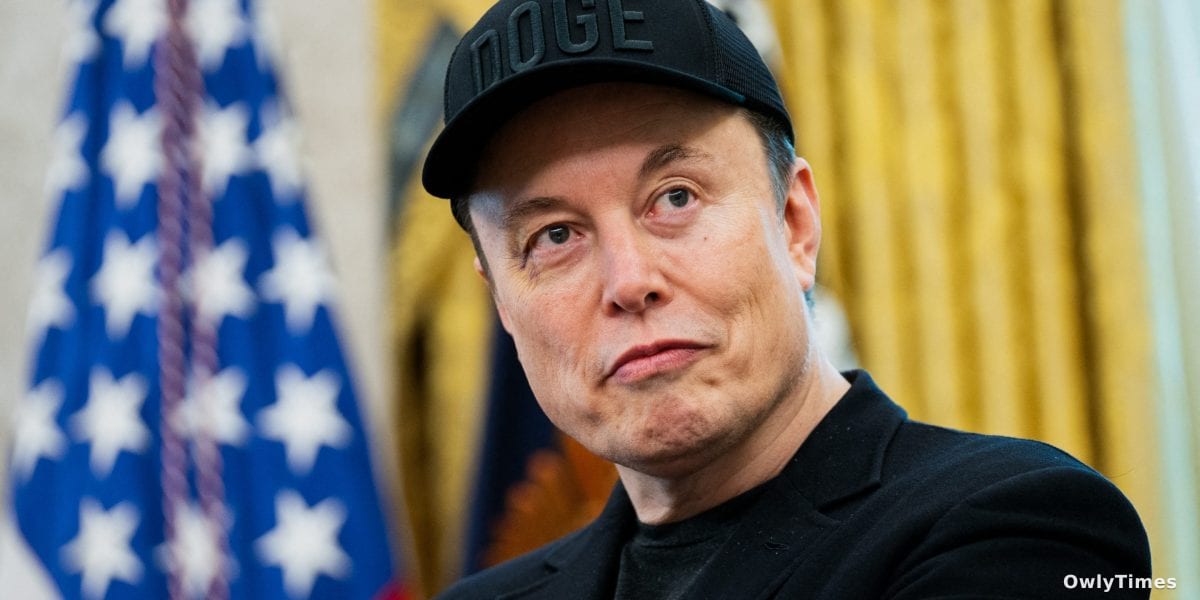
The administration’s actions have predictably ignited a firestorm within Silicon Valley. While Elon Musk, a frequent ally of Trump, predictably sided with the White House, claiming Anthropic “hates Western Civilization,” even Sam Altman, CEO of rival OpenAI, publicly defended Amodei’s position. In a CNBC interview, Altman acknowledged shared “red lines” regarding AI safety, suggesting that Anthropic’s concerns are widespread within the industry. This isn’t a case of corporate altruism; it’s a recognition that unchecked deployment of AI in military applications carries existential risks for everyone. Retired Air Force Gen. Jack Shanahan echoed this sentiment, noting that Claude is already widely used within the government and that the technology, in its current state, isn’t ready for deployment in critical national security roles. He rightly pointed out that the administration’s aggressive tactics are counterproductive, potentially stifling innovation and driving talent away from responsible AI development.
The financial implications are significant, but the broader impact on public trust is even more concerning. The administration’s reliance on inflammatory rhetoric and social media pronouncements undermines the credibility of national security decision-making. Senator Mark Warner rightly questioned whether these actions are driven by “careful analysis or political considerations.” The move also conveniently benefits Musk’s chatbot, Grok, which has been granted access to classified military networks, raising questions about favoritism and the potential for conflicts of interest. The Pentagon’s willingness to embrace a tool from a company with a demonstrably different approach to AI safety speaks volumes.
But here’s where things get truly unsettling for ordinary users. This isn’t just about the military; it’s about setting a precedent for how AI will be regulated – or not regulated – across all sectors. If a company can be punished for prioritizing ethical considerations, what incentive is there for others to do the same? We’re already seeing AI-powered tools used in everything from loan applications to hiring processes, often with opaque algorithms and little accountability. The Anthropic case sends a chilling message: compliance is more valuable than conscience.
Looking ahead, watch closely for a surge in lobbying efforts from AI companies seeking to influence government policy. The next six months will be critical as the Pentagon attempts to phase out Anthropic’s technology. The question isn’t if they’ll find a workaround, but how they’ll justify it – and whether they’ll be forced to compromise on their safety standards in the process. The real test will come when the next AI company dares to push back against the administration’s demands. Will they stand alone, or will a coalition of responsible developers emerge to challenge the prevailing narrative?