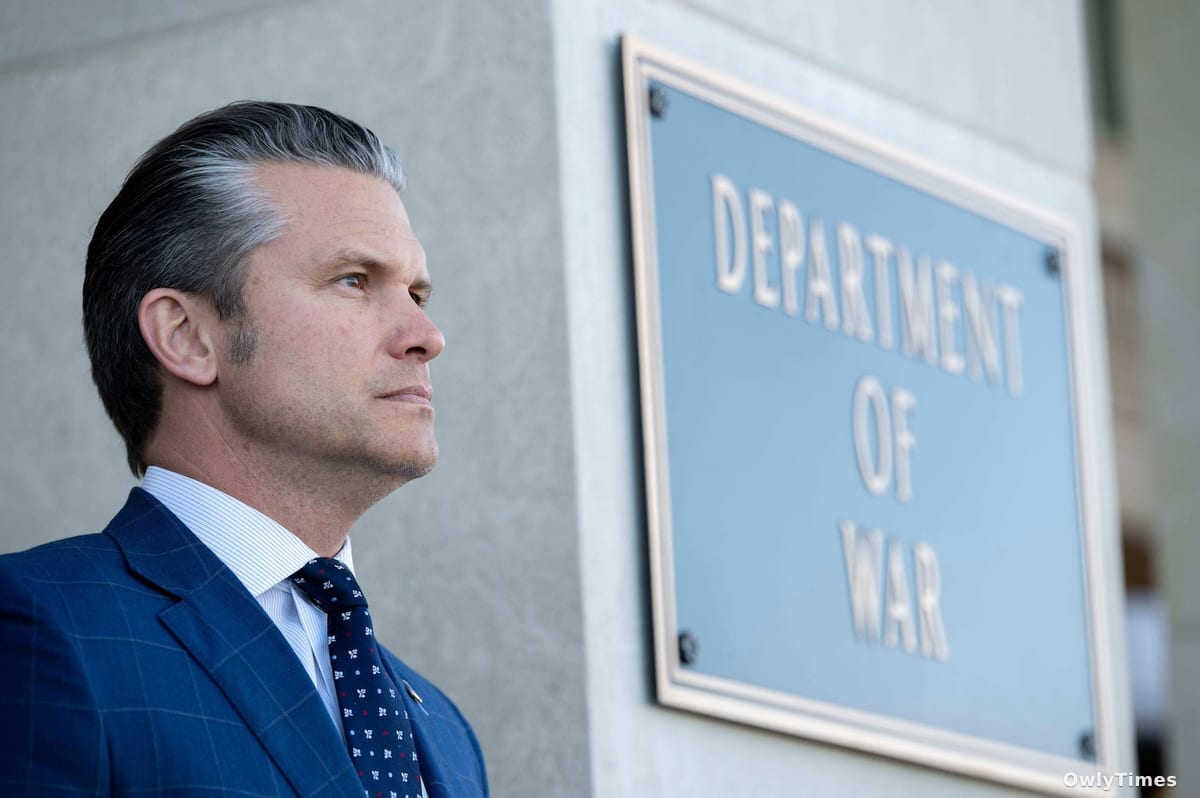

Is the future of American defense now reliant on the whims of billionaire “patriots”? That’s the unsettling question emerging from the abrupt blacklisting of Anthropic by the Trump administration, a move spearheaded by Defense Secretary Pete Hegseth. The official line is national security – Hegseth publicly deemed the AI startup a risk – but the real story here isn’t about protecting classified information; it’s about who controls the narrative, and ultimately, the technology, of modern warfare. This isn’t a technical debate about algorithms; it’s a power play with potentially terrifying consequences for everyone outside the Beltway.
A Sudden Shift in Pentagon Priorities
The decision to sever ties with Anthropic, announced late Friday, sent shockwaves through Silicon Valley. The company, a competitor to OpenAI and Google DeepMind, had secured contracts to develop AI-powered logistics and intelligence analysis tools for the Department of Defense. Hegseth’s rationale, delivered in January, centered on unspecified “security vulnerabilities” within Anthropic’s systems. He didn’t detail the nature of these vulnerabilities, fueling speculation that the move was less about genuine risk assessment and more about ideological alignment. What’s particularly galling is the speed of the reversal; just months prior, the Pentagon was actively courting Anthropic as a key partner in its ambitious AI modernization efforts. This whiplash isn’t reassuring to any company considering working with the military, and it suggests a level of political instability that actively increases security risks.
The “Patriotic” Rush to Fill the Void
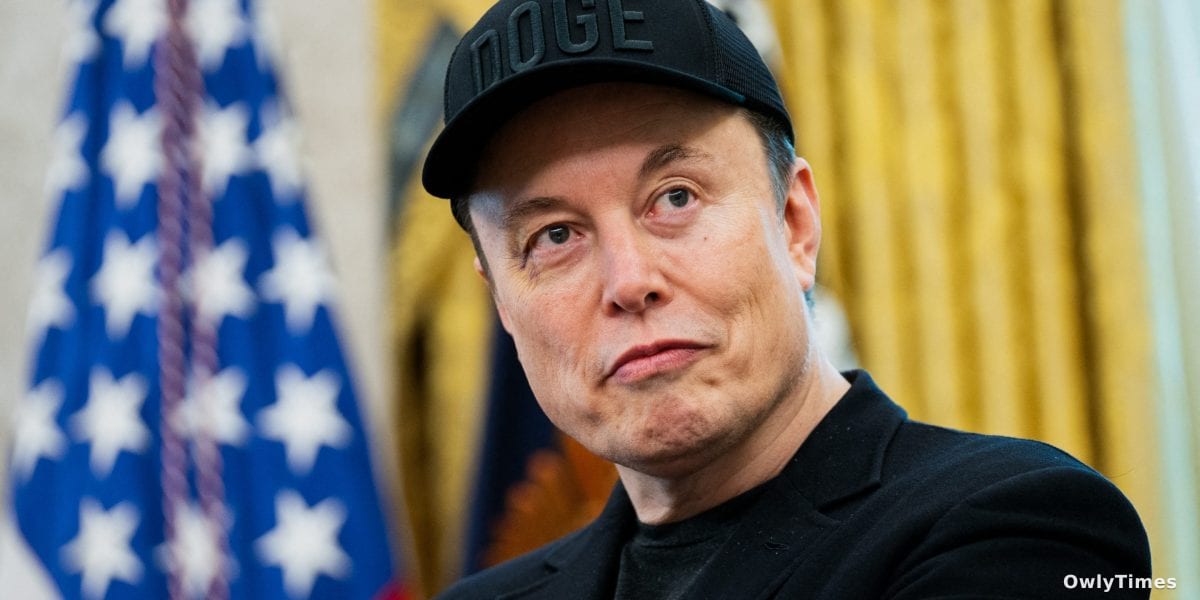
Almost immediately following the Anthropic ban, Elon Musk stepped forward, publicly offering to fill the gap with technology from his companies, X.AI and Tesla. He framed it as a patriotic duty, a willingness to serve the nation in a time of need. This isn’t altruism; it’s a calculated power grab. Musk has a long and complicated relationship with the Pentagon, marked by both lucrative contracts and public disagreements. He’s repeatedly expressed concerns about AI safety, yet simultaneously positions himself as the only one capable of responsibly developing and deploying this technology for military applications. The fact that the Defense Department appears willing to accept this framing – to essentially outsource a critical component of national security to a single, highly volatile individual – is deeply concerning. Consider the implications: one person’s personal beliefs and business interests could dictate the future of American defense strategy.
Original reporting: The Washington Post.
Beyond the Valley: What This Means for You
This isn’t just a story for tech investors and defense contractors. The implications extend to everyday citizens. The increasing reliance on AI in warfare isn’t about robots replacing soldiers (though that’s a concern); it’s about automating decision-making processes that have life-or-death consequences. Algorithms will increasingly determine targeting priorities, assess battlefield risks, and even authorize the use of force. If those algorithms are developed by a company beholden to a single individual, or driven by a narrow ideological agenda, the potential for error – and for unintended escalation – skyrockets. Furthermore, the concentration of power in the hands of a few tech giants raises serious questions about accountability. Who is responsible when an AI system makes a mistake? The programmer? The company CEO? The Defense Secretary? The lines are blurred, and the legal frameworks are woefully inadequate.
The Rise of Tech-Enabled Authoritarianism
The Trump administration’s move with Anthropic isn’t an isolated incident. It’s part of a broader trend: the weaponization of technology for political ends. We’ve seen it with social media manipulation, data surveillance, and the spread of disinformation. Now, we’re witnessing the same tactics being applied to the development and deployment of artificial intelligence. The danger isn’t just that AI will be used to enhance military capabilities; it’s that it will be used to consolidate power, suppress dissent, and erode democratic norms. The willingness to prioritize political loyalty over technical expertise, to reward “patriotism” over rigorous security assessments, sets a dangerous precedent.
Here’s what to watch for: in the next 18 months, expect a surge in lobbying efforts from tech companies vying for lucrative defense contracts. More importantly, pay attention to the criteria used to award those contracts. If the emphasis shifts from technical merit to political alignment, we’re heading down a path where the future of American defense – and, by extension, American security – is determined not by what works best, but by who says the right things.