
The revocation of legal residency for Iranian nationals isn’t simply a hardening of stance against Tehran; it’s a calculated escalation of a shadow conflict waged through immigration law, designed to pressure the current Iranian government by targeting individuals with past or present ties to the regime. The move, confirmed by the Trump administration on April 4, 2026, impacts at least four individuals and signals a willingness to weaponize the U.S. immigration system in ways not seen since the Cold War, prioritizing geopolitical leverage over established legal protections for permanent residents. This isn’t about national security in the traditional sense of preventing immediate terrorist threats, but about disrupting networks and signaling resolve – a tactic with a complex and often ethically fraught history.
A Pattern of Reciprocity and Retaliation
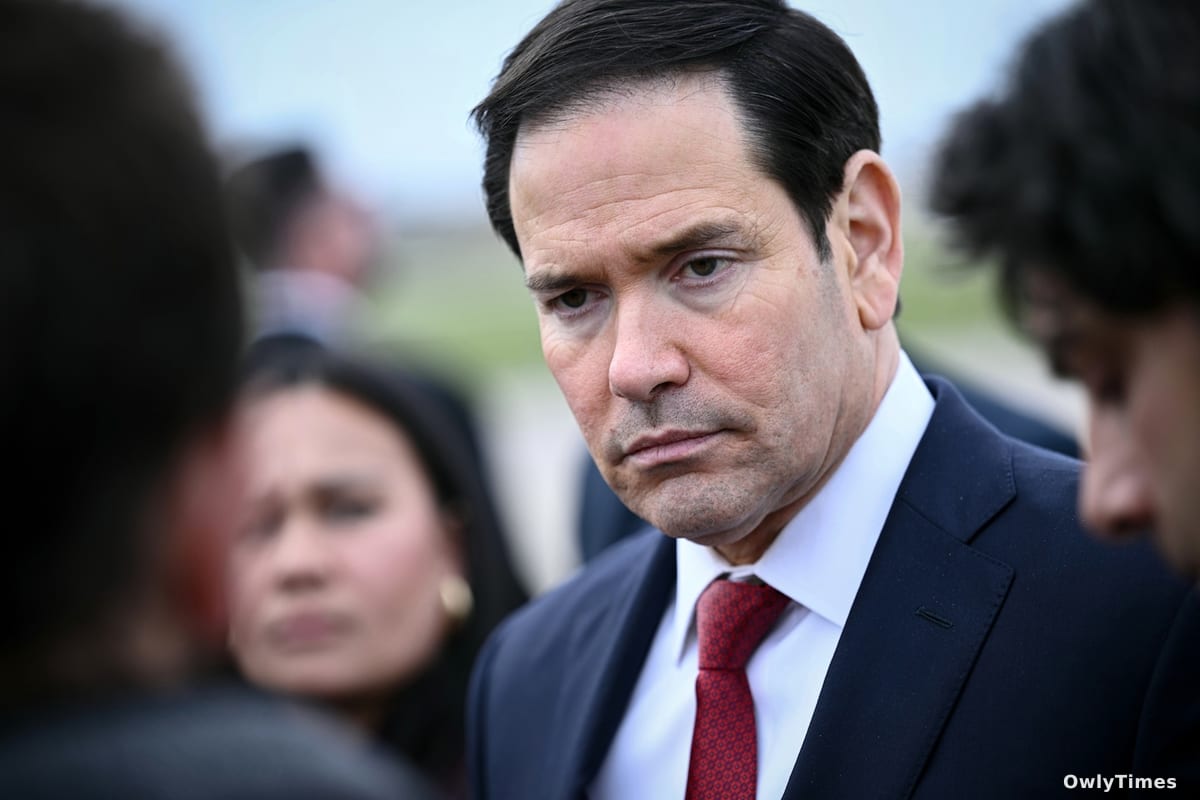
The timing of these revocations is critical. They follow a March 27, 2026, G7 Foreign Ministers’ meeting in Paris, where Secretary of State Marco Rubio publicly condemned Iran’s continued support for proxy groups in the region and its ballistic missile program. While the administration hasn’t explicitly linked the visa revocations to the G7 discussions, the proximity suggests a deliberate demonstration of strength intended to reinforce the U.S. position on the international stage. This echoes the tactics employed during the Reagan administration’s confrontation with Soviet-backed regimes in the 1980s, where visa restrictions and asset freezes were routinely used to isolate and pressure adversarial governments. However, the key difference is that these are not newly arriving individuals – these are people who have already been vetted and granted legal residency, a precedent that raises serious due process concerns.
Reporting from The Washington Post informs this analysis.
Who Benefits and Who Loses in This Equation?
The immediate losers are, of course, the four Iranian nationals whose lives are now in upheaval. Two are already in detention facing deportation, a process that can take months or years but ultimately results in their expulsion from the United States. Beyond the individuals directly affected, the broader Iranian-American community is likely to experience increased scrutiny and anxiety. The move reinforces a narrative of collective suspicion, potentially chilling civic engagement and fostering a climate of fear. Beneficiaries are primarily within the Trump administration and its political base, who can point to this action as evidence of a firm commitment to confronting Iran. Domestically, it serves to solidify support among those who favor a hawkish foreign policy. Internationally, the administration hopes to signal to allies – particularly in the Middle East – that the U.S. is willing to take concrete steps to counter Iranian influence.
The Legal Gray Area and Historical Parallels
The legal basis for revoking green cards is complex and relies on a provision allowing for the denial of naturalization or revocation of residency if an individual is deemed to have engaged in activities detrimental to U.S. national security. The ambiguity of this language is precisely what makes it so potent as a political tool. Critics argue that the administration is stretching this provision beyond its intended scope, effectively punishing individuals for past associations rather than demonstrable current threats. This tactic isn’t entirely novel. During World War I, the U.S. government aggressively revoked the citizenship of German-American citizens suspected of disloyalty, a period later widely condemned for its violation of civil liberties. The current situation, while less overtly nationalistic, shares a similar pattern of targeting individuals based on their national origin and perceived political affiliations. The difference is the lack of a declared war, making the justification for such actions even more tenuous.
Beyond Visa Revocations: The Next Chess Move
The administration’s actions regarding Iranian nationals are unlikely to be isolated. The more significant development to watch is whether this policy expands to include individuals from other countries deemed adversarial – specifically, those with ties to Russia or China. A broadening of this approach would signal a fundamental shift in U.S. immigration policy, transforming it from a system focused on individual merit and due process into a tool of geopolitical coercion. The question isn’t if the administration will face legal challenges to these revocations, but how those challenges will be framed and whether they will gain traction in the courts. The real chess move to watch is whether Secretary Rubio will publicly articulate a broader doctrine justifying the use of immigration law as a foreign policy instrument, effectively normalizing a practice with potentially far-reaching consequences for both national security and civil liberties.