
Is the AI revolution already over before it truly began? We’re told this is a new industrial age, a technological leap unlike any other. Trillions are being poured into data centers and chips, and for a fleeting moment in late 2025, AI investments were functionally all that kept the US economy growing. But the real story here isn’t groundbreaking innovation – it’s a breathtakingly fragile supply chain, propped up by geopolitical instability and fueled by debt, teetering on the brink of collapse. Forget about sentient robots; we should be bracing for a very human-scale financial crisis.
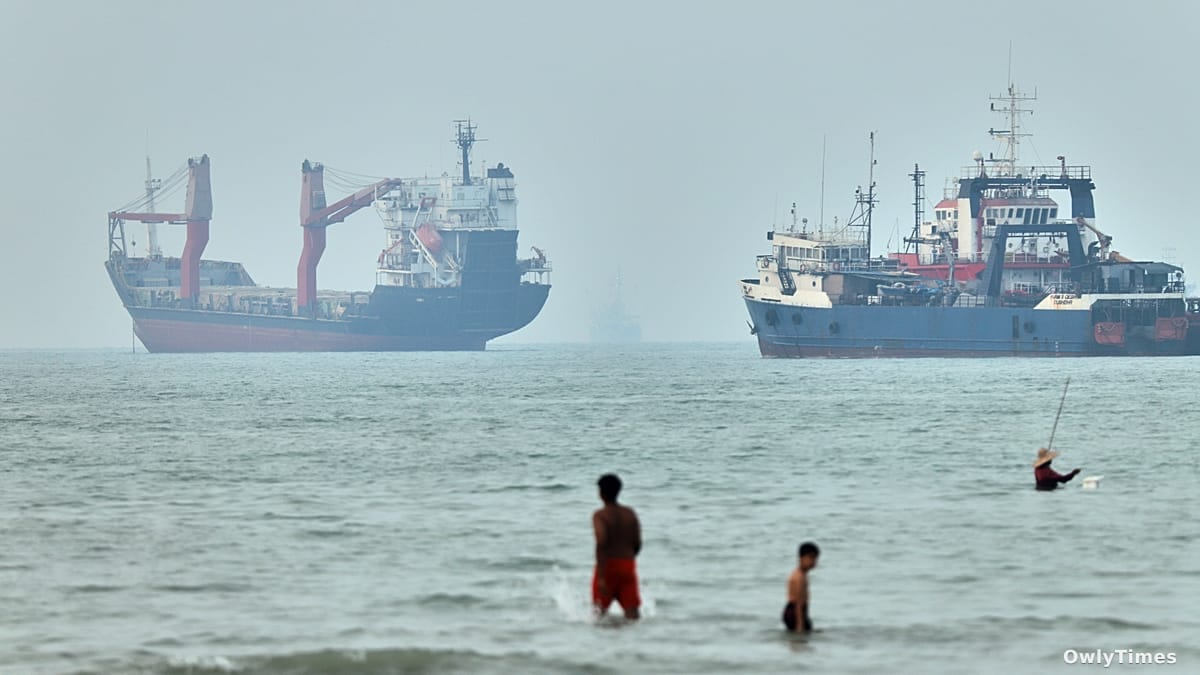
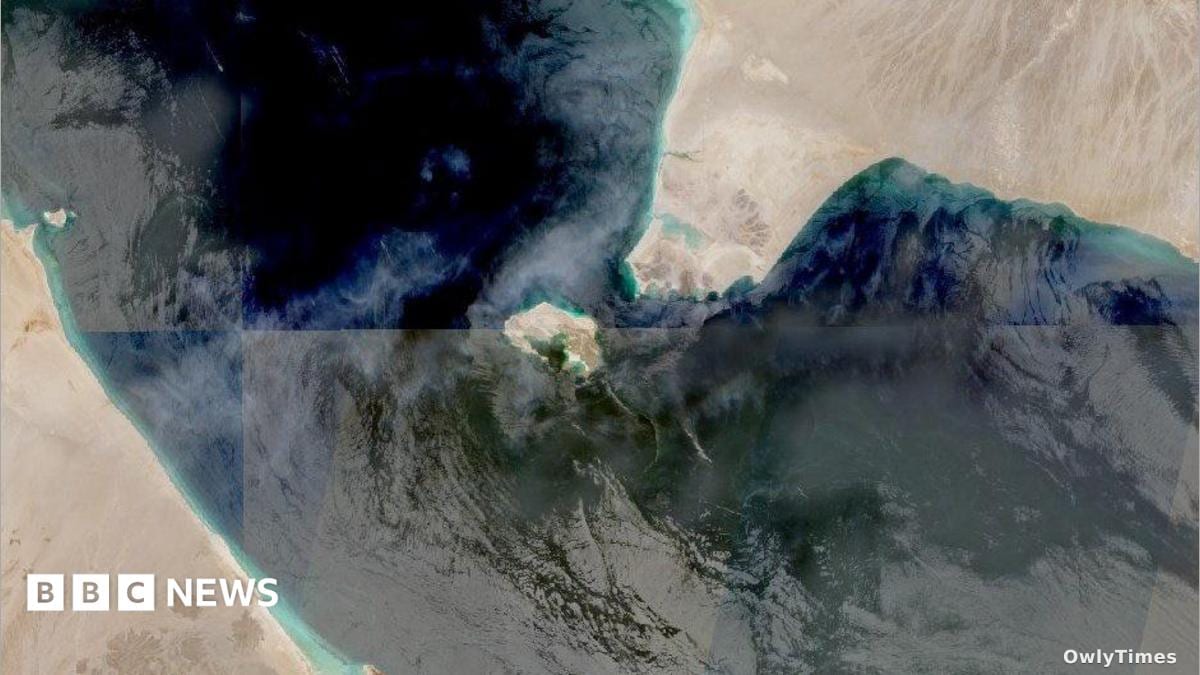
The hype around generative AI has been relentless, but the underlying infrastructure is shockingly concentrated and vulnerable. Advanced memory and training chips, the very brains of these systems, are almost entirely produced by just three companies – two in South Korea and one in Taiwan. These nations, in turn, are heavily reliant on oil and natural gas flowing from the Persian Gulf, a region currently engulfed in war. It’s a house of cards built on crude, and the wind is picking up. The war in Iran has already functionally closed the Strait of Hormuz to most shipping, impacting a staggering one-fifth of global natural gas exports and one-third of crude oil. This isn’t some distant threat; Brent crude prices have jumped 40% in a single month and could easily double.
Original reporting: theatlantic.com.
This isn’t just an energy crisis; it’s an AI crisis. Semiconductor manufacturing is incredibly energy-intensive, and the price spikes are already squeezing margins. Beyond energy, the region is a key source of helium, sulfur, and bromine – essential components in silicon wafer production. And to add another layer of complexity, Saudi Arabia, Qatar, and the UAE have become major investors in the very American AI firms that depend on these resources. Paul Kedrosky, an investor and financial consultant, succinctly captures the danger: “What’s unusual about this, unlike commercial real estate during the global financial crisis, is all of these interlocking points of fragility.” It’s a system designed to break, and the question isn’t if it will, but when.
The scale of investment is particularly alarming. Hyperscalers – Microsoft, Google, Meta, and Amazon – are collectively spending nearly $700 billion on AI in a single year. To fund this, they’re taking on colossal amounts of debt, often through deals with private-equity firms like Blackstone, BlackRock, and Blue Owl Capital – entities that operate as shadow banks, wielding influence comparable to pre-2008 financial giants. These firms, in turn, raise capital from endowments, pensions, and insurance funds, effectively spreading the risk throughout the entire financial system. For a while, announcements of new data center investments boosted stock prices. Now, the opposite is happening. Investors are realizing that these investments aren’t generating anywhere near the revenue needed to justify the expense. The combined market value of these tech behemoths – plus Nvidia and Oracle – has already plummeted by 8 to 27% this year, dragging down the overall stock market.
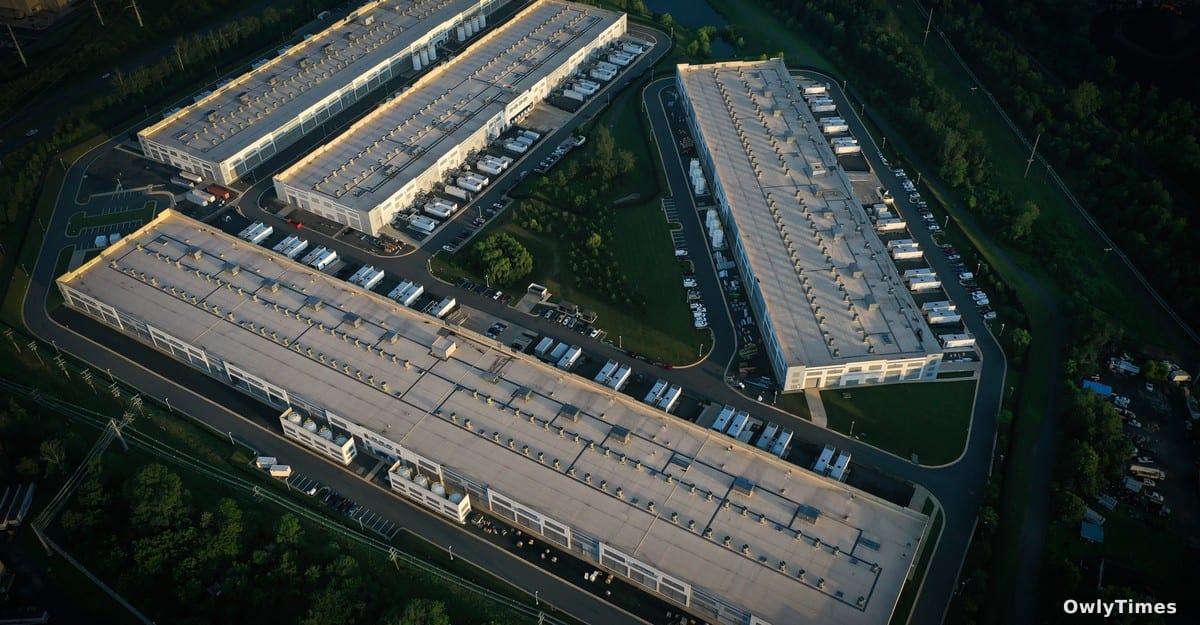
The problem isn’t just that AI companies are spending too much; it’s that the underlying business model is fundamentally flawed. AI chips depreciate rapidly as newer generations emerge, meaning the ultimate “backstop” – selling the data center itself – is increasingly illusory. And the way AI companies monetize their products – through “tokens” – is a “death spiral to zero,” according to Kedrosky. As the cost of each token plummets due to technological advancements, the value of the data centers producing them also falls. The war in Iran exacerbates these issues, threatening the physical security of data centers (already “large, juicy targets,” as described by Janet Egan of the Center for a New American Security) and potentially disrupting investment from the Gulf states. Chip Usher, from the Special Competitive Studies Project, points out the terrifying possibility of even a drone attack on a data center in Northern Virginia.
This isn’t a scenario confined to the tech industry. The sheer size of the hyperscalers means a collapse would ripple through the entire economy. The AI build-out has drained investment from other sectors, leaving the economy vulnerable. Unemployment could spike, and interest rates could rise. Brad Lipton, formerly of the Consumer Financial Protection Bureau, warns that we’re seeing “the same 2008 dynamics now,” with interconnected financial institutions amplifying the risk. The situation is further complicated by the fact that AI’s primary benefit, at least in the short term, appears to be efficiency – meaning job cuts, not growth.
The blame, ultimately, lies with the tech companies themselves. They prioritized speed and growth above all else, ignoring the inherent risks to supply chains, energy independence, and financial stability. They courted a presidential administration that encouraged this “let it rip” ethos, only to find themselves facing a crisis of their own making. The AI industry wanted to change the world, but it may have inadvertently destabilized it. And while a gradual cooling of data-center spending or continued revenue growth from companies like OpenAI and Anthropic could avert a full-blown crisis, the current trajectory points towards something far more ominous.
Watch for this: in the next six months, pay attention to the helium market. A significant helium shortage – already looming – will be the canary in the coal mine. If helium prices continue to soar, it will signal a cascading failure in chip production, and the AI dream will quickly turn into a financial nightmare. The question isn’t whether the AI bubble will burst, but whether it will take the entire global economy down with it.