
The Calculus of Escalation: Trump’s “Forever War” and the Shifting Middle East Order
The rapid evacuation of U.S. diplomatic personnel across the Middle East isn’t simply a precautionary measure; it’s a calculated acceptance that the current conflict with Iran is not a short-term crisis to be managed, but a protracted struggle with potentially limitless duration. President Trump’s pronouncements – first suggesting a four-to-five week timeline, then pivoting to the assertion of a “virtually unlimited supply” of munitions and the capacity to fight “forever” – reveal a strategic shift. This isn’t about achieving defined objectives within a limited timeframe; it’s about establishing a position of endurance, signaling to both allies and adversaries that the U.S. is prepared for a long-term commitment, regardless of the cost. The closure of embassies in Kuwait, Qatar, and Iraq, alongside the urgent departure warnings for Americans in over a dozen countries, underscores the severity of this assessment.
Reporting from NPR informs this analysis.
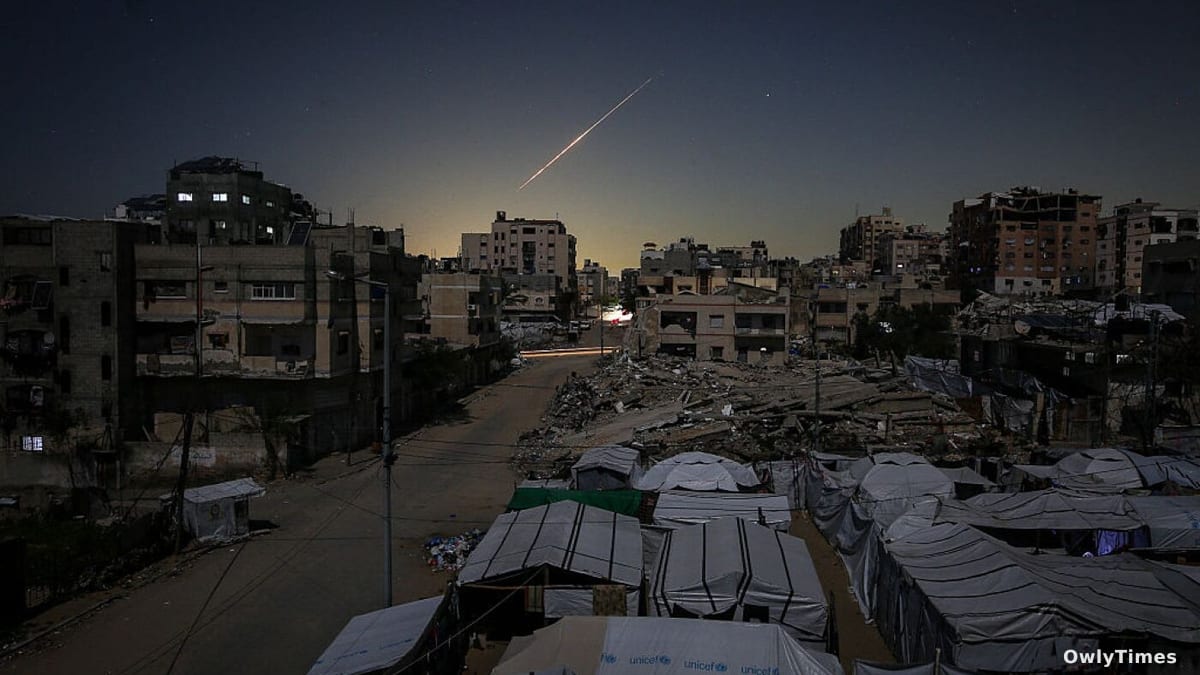
Who benefits and who loses from this escalation? The immediate losers are, tragically, the civilian populations caught in the crossfire. Reports of 787 killed in Iran and 52 in Lebanon since Saturday, including the devastating attack on a girls’ school in Minab, demonstrate the human cost. Beyond that, regional stability is the primary casualty. The resumption of hostilities between Israel and Hezbollah, after a relatively quiet period since the 2024 ceasefire, expands the conflict beyond a direct U.S.-Iran confrontation. Gulf states, already targeted by Iranian strikes – including the disruption of LNG production in Qatar – face increased vulnerability. Conversely, the U.S. defense industry stands to benefit significantly. Trump’s emphasis on “virtually unlimited supplies” isn’t merely rhetoric; it’s a promise of sustained demand for American-made weaponry, a boon for companies like Lockheed Martin and Boeing. Australia, Indonesia, Malaysia, and the U.S. itself, as major LNG exporters, also stand to profit from the disruption of supplies through the Strait of Hormuz and the shutdown of Qatar’s Ras Laffan plant.
The situation echoes historical precedents of protracted, asymmetrical conflicts. The Vietnam War, similarly justified by claims of containing communism and backed by seemingly endless resources, serves as a cautionary tale. Like the Gulf of Tonkin Resolution in 1964, the initial attacks that triggered the current escalation – the drone strikes on the U.S. embassy in Saudi Arabia and Kuwait, the attacks on commercial targets – are being used to justify a widening military response. The key difference, however, is the explicit framing of a “forever war” by Trump, a departure from the traditional rhetoric of limited objectives. This suggests a willingness to accept a lower threshold for escalation and a longer timeframe for achieving desired outcomes, or even simply maintaining a strategic position. The Iranian threat to close the Strait of Hormuz, vital for global oil exports, further recalls the tanker wars of the 1980s, demonstrating a willingness to weaponize critical infrastructure.
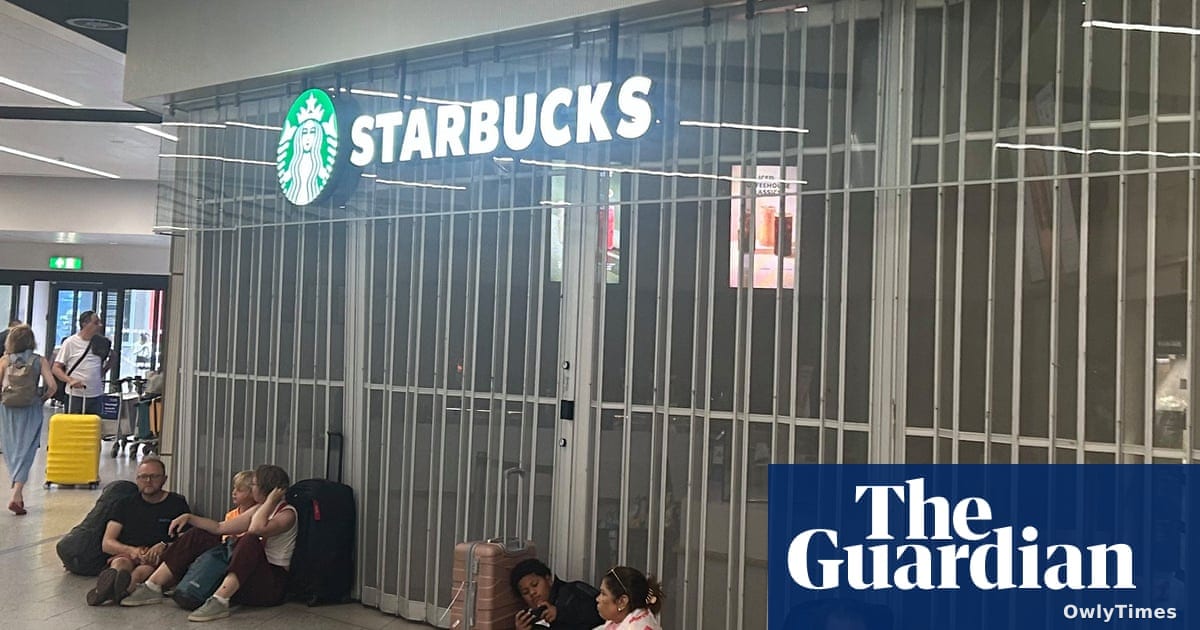
The attacks on commercial targets, specifically the Amazon data centers in the UAE and Bahrain, represent a new dimension of the conflict. This isn’t simply state-on-state warfare; it’s an attack on the digital infrastructure underpinning the global economy. This tactic, while disruptive, also carries significant risk of escalation, potentially drawing in other nations with vested interests in protecting their digital assets. The State Department’s urging of Americans to “DEPART NOW” from a vast swathe of the Middle East isn’t just about protecting citizens; it’s a tacit acknowledgement that the region is becoming increasingly unstable and unpredictable, and that the U.S. is unable to guarantee their safety. The fact that options to leave are dwindling with flight cancellations and airport closures further underscores the severity of the situation.
Israel’s resumption of strikes in Lebanon, targeting Hezbollah, is a critical component of this broader strategy. While framed as a “tactical step” to secure northern Israel, it’s a clear signal of intent to pressure Iran through its proxy forces. The displacement of 30,000 Lebanese citizens, coupled with the 52 reported deaths, highlights the humanitarian consequences of this approach. Israel’s stated goal of creating conditions for regime change in Iran, while ambitious, reveals the long-term strategic objective: not merely containing Iran’s nuclear ambitions, but fundamentally altering its political landscape. The Israeli military’s focus on targeting Iran’s missiles and launchers suggests an attempt to degrade Iran’s offensive capabilities, potentially paving the way for further strikes.
The political chess move to watch next isn’t a military operation, but a diplomatic one. All eyes are on whether any backchannel communication can be established between Washington and Tehran, despite the escalating rhetoric and military actions. Specifically, the question is whether Trump will authorize, or even allow, a discreet envoy to engage with Iranian officials – a move reminiscent of the secret negotiations that led to the Iran nuclear deal in 2015. The success or failure of such an initiative will determine whether this conflict truly becomes a “forever war,” or if a path to de-escalation, however narrow, can still be found.