
Is anyone actually listening to what Donald Trump says about Iran, or just reacting to the spectacle? The constant declarations of victory, the insistence that Iran is “begging” for a deal, the bizarre digressions about Pakistani-flagged tankers – it’s all a carefully constructed performance. The real story here isn't a looming peace deal orchestrated by Trump’s masterful negotiation; it’s the frantic, behind-the-scenes attempt to manage a conflict that’s already impacting everyday Americans, and the administration’s desperate need to project control.
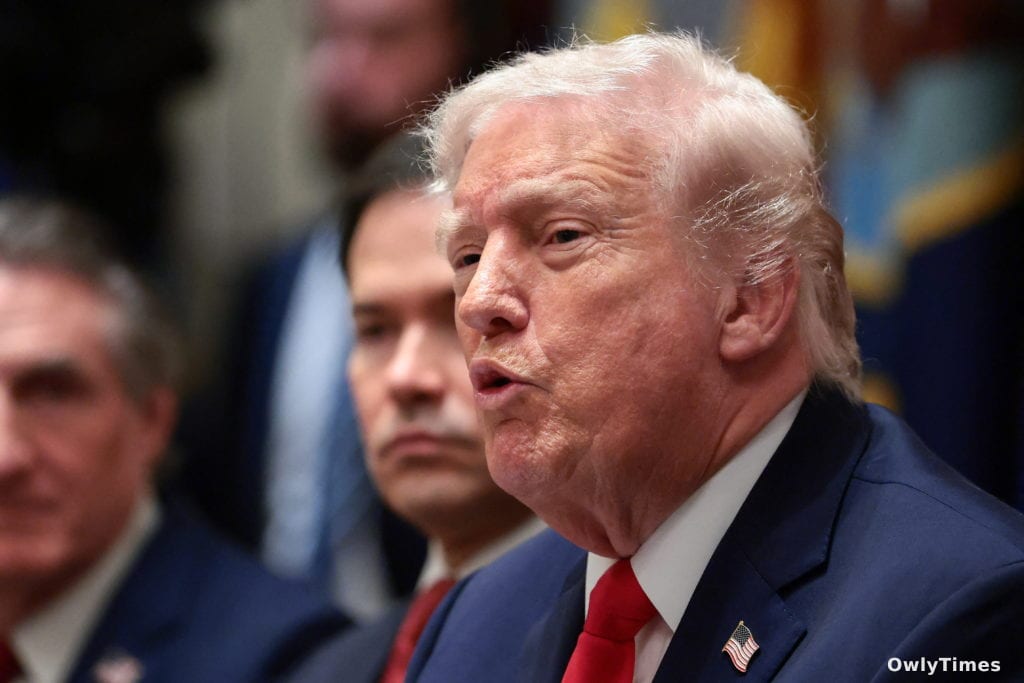
Thursday’s Cabinet meeting, a 90-minute affair dominated by the Iran conflict, wasn’t a display of strength, but a pressure cooker. Trump, flanked by officials eager to echo his narrative, repeatedly asserted Iran’s desire for negotiation, even as Iranian officials publicly reject any such claims. “They’re begging to make a deal, not me,” he stated, a claim that feels less like a factual assessment and more like a psychological tactic – a way to frame the situation as a win, regardless of reality. Steve Witkoff, a Trump envoy, confirmed the existence of a 15-point “action list” presented to Iran via Pakistan, but the secrecy surrounding its contents speaks volumes. Why the confidentiality if it’s such a clear path to peace?
Reporting from PBS informs this analysis.
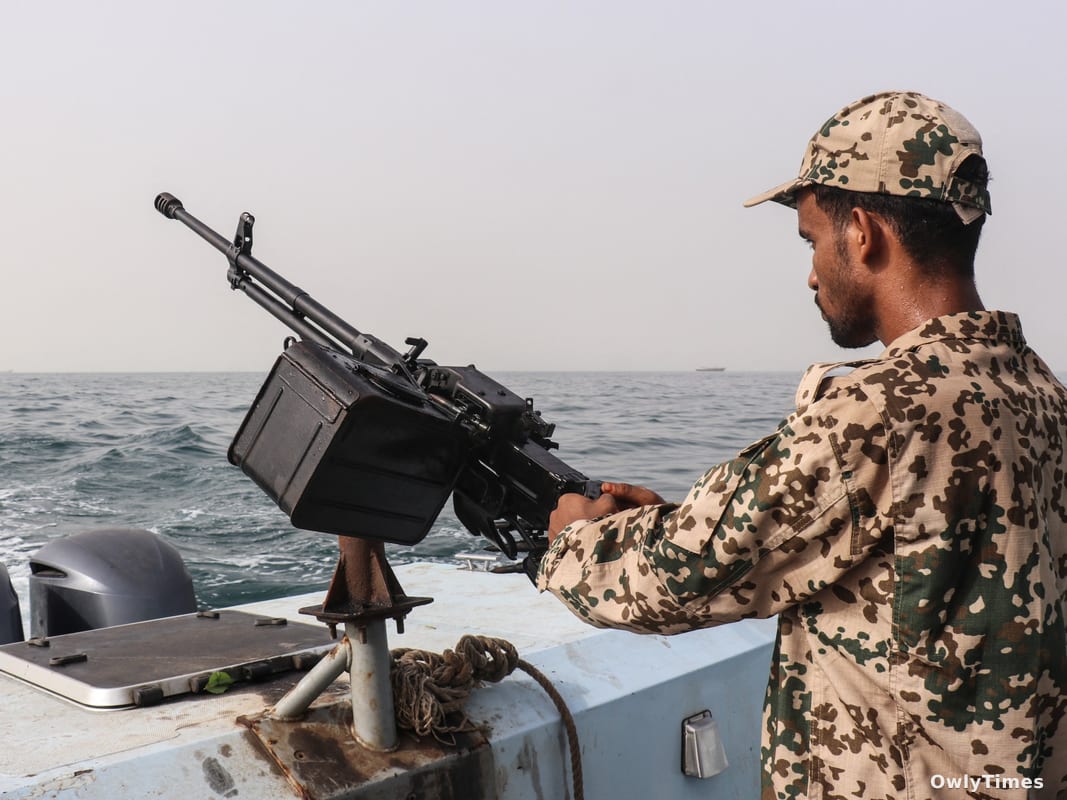
The administration’s focus on “destroying” Iran’s military capabilities, as touted by Vice President JD Vance, is particularly unsettling. Vance’s claim that Iran’s navy is effectively gone and their ability to strike the U.S. is diminished isn’t a cause for celebration; it’s a justification for escalating the conflict, and a dangerous oversimplification of a complex geopolitical situation. This rhetoric, coupled with Secretary of Defense Hegseth’s assertion of “pure American success,” ignores the potential for unintended consequences and the very real human cost of war. Hegseth’s stated objectives – “No nukes, no navy, and complete dismantling of their missile program” – are ambitious, to say the least, and conveniently sidestep the question of how these goals will be achieved without further destabilizing the region.
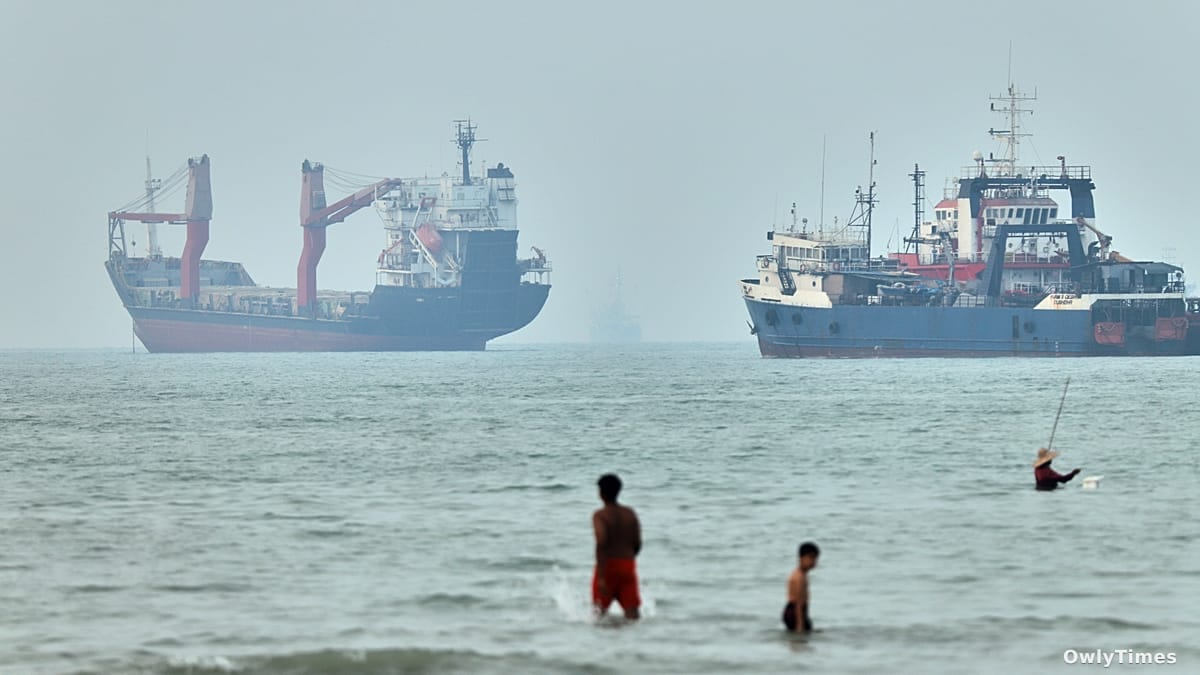
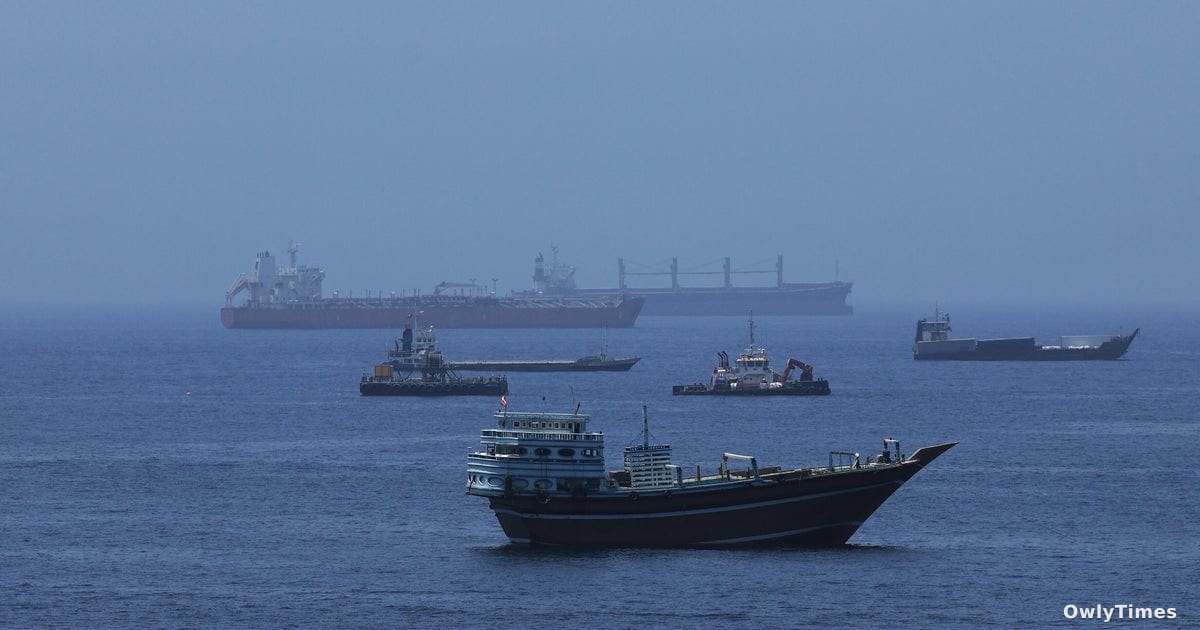
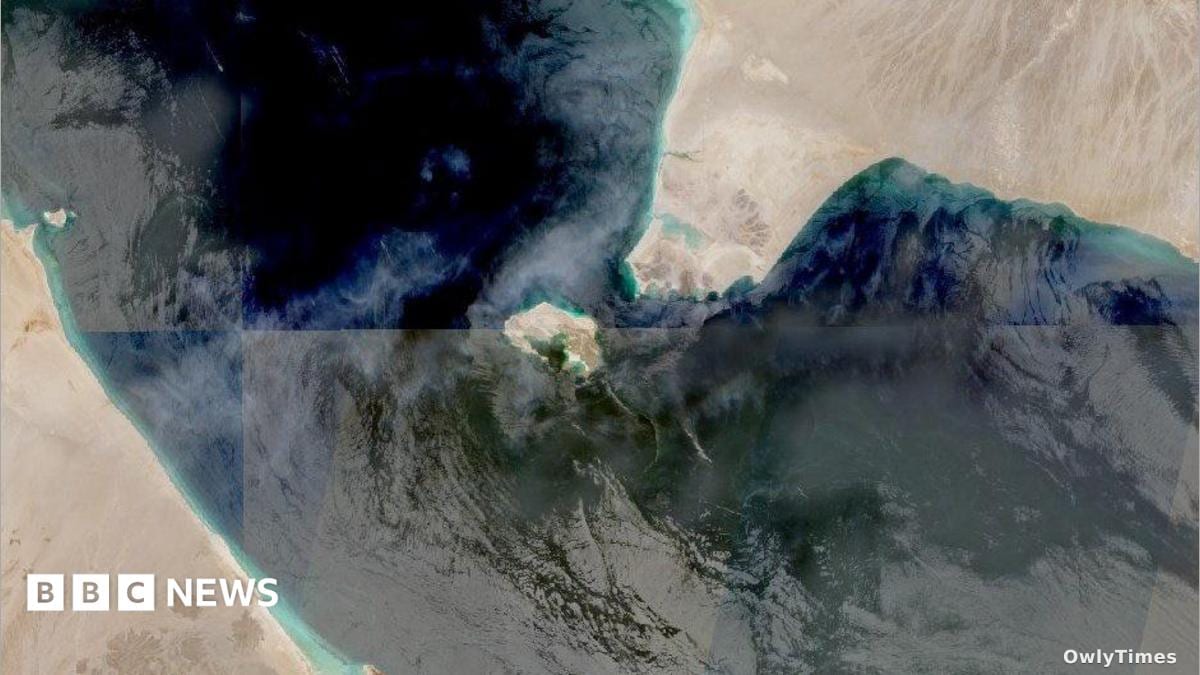
The economic fallout is already being felt, and the administration’s response feels… disconnected. While Trump promises “a variety” of policies to support American farmers facing increased fertilizer costs due to the conflict, it’s a reactive measure, a band-aid on a self-inflicted wound. The $12 billion in aid provided last year after the trade war with China demonstrates a pattern: create a crisis, then offer a costly bailout. Treasury Secretary Scott Bessent’s claim that the Strait of Hormuz isn’t a “choke point” is frankly absurd. The waterway handles 20% of the world’s oil supply, and its disruption is impacting global energy prices, driving up costs at the pump for American consumers. The nationwide average gas price is already over a dollar higher than a month ago – a tangible consequence of this conflict that voters will notice.
Even the seemingly innocuous details reveal the administration’s skewed priorities. Secretary of State Marco Rubio’s Public Enemy reference, while amusing to some, feels tone-deaf given the gravity of the situation. It’s a performance, a signaling to a particular base, while real people are bracing for economic uncertainty. Trump’s dismissal of the German president’s condemnation of his actions as “inappropriate” highlights a troubling disregard for international alliances and diplomatic norms. And his reluctance to suspend the federal gas tax, despite the rising prices, suggests a prioritization of political optics over immediate relief for struggling families. The fact that Congress would need to approve such a suspension is a convenient excuse, allowing Trump to avoid taking responsibility.
The administration is attempting to spin the narrative, portraying Iran as desperate and the U.S. as dominant. But the reality is far more nuanced, and the risks are substantial. The claim that Iran is allowing Pakistani-flagged tankers through the Strait of Hormuz as a “present” feels like a desperate attempt to manufacture a positive sign. The entire situation hinges on a fragile, opaque negotiation process, and the administration’s insistence on controlling the message is hindering transparency and accountability.
Here’s what to watch for: in the next two weeks, look closely at fertilizer prices. If they continue to climb, despite Trump’s promised support for farmers, it will be a clear indication that the administration’s economic policies are failing to address the real-world consequences of this conflict. The rhetoric will continue, the boasts will continue, but the price of gas, the cost of food, and the stability of the global economy will tell the true story.