
Can a global superpower actually wage a prolonged, high-tech war when its own digital and material supply chains are running on empty? We like to think of modern conflict as a clean, automated game of chess played with algorithms and precision-guided drones, but the reality on the ground is proving to be a messy, analog disaster. As the United States and Iran slide back toward the brink of all-out war, the structural limits of our high-tech military apparatus are being laid bare.
The real story here isn’t the tragic tit-for-tat military exchanges lighting up the Middle East—it’s the sudden, brutal realization that our advanced defense networks are hitting a hard physical ceiling. We are watching a high-tech siege of the world's most critical maritime choke point. This means the collateral damage is going to be felt by ordinary consumers at the gas pump and in the supermarket, not just by generals in the Pentagon.
A High-Tech Siege on Global Lifelines
At the heart of this escalating crisis is the Strait of Hormuz, a narrow waterway that handles roughly 20 percent of global shipping traffic. According to Euronews, Tehran shuttered the strait to international shipping back on February 28 of this year, sparking a crisis that has now boiled over into a full-scale exchange of fire. While the world has long treated this passage as an international waterway, Iran is now demanding transit fees, effectively treating one of the world's primary energy arteries like a private toll road. This disruption is already sending shockwaves through the global economy, as shipping traffic through the strait has plummeted to a three-week low.
The fallout is not limited to abstract shipping data; it is actively hitting the pockets of everyday users worldwide. As reported by The Independent, Brent crude oil prices surged by more than 2% on Monday, climbing to $90.40 per barrel, while U.S. benchmark crude rose to $83.58. Commodities strategists Warren Patterson and Ewa Manthey of ING warned that unchecked escalation could soon return the entire Persian Gulf to a state of wide-scale conflict. For ordinary citizens, this means the cost of driving to work, heating homes, and shipping basic goods is set to skyrocket.
Depleted Stockpiles and Broken Ceasefires
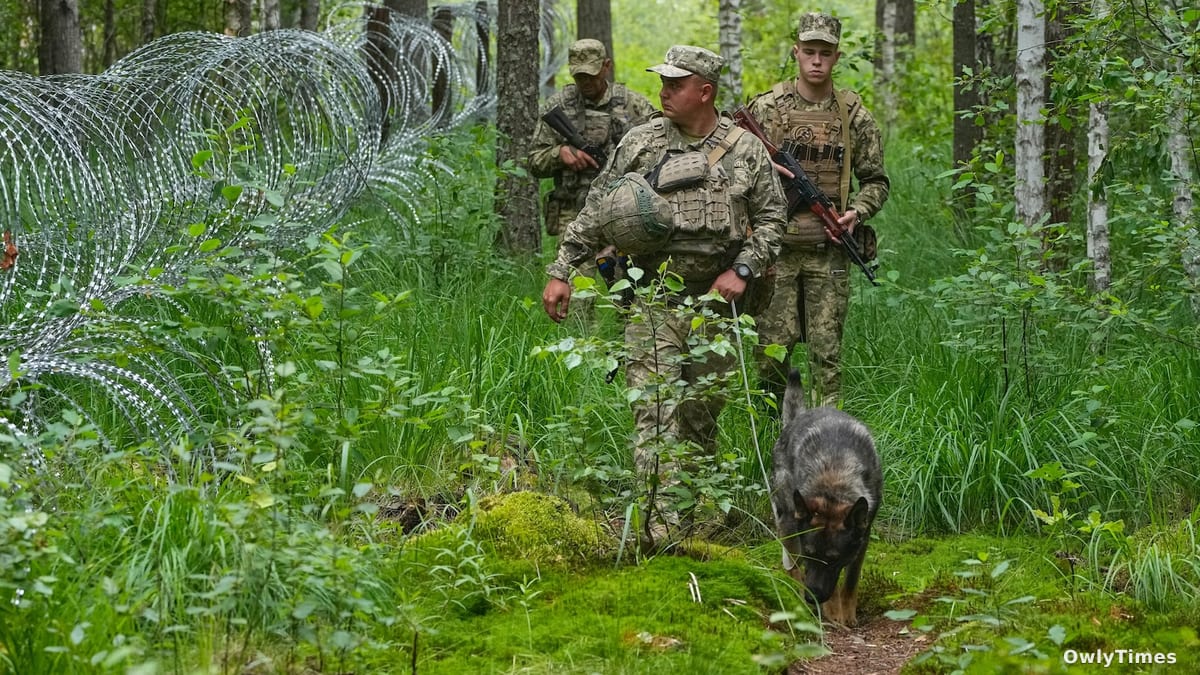
While politicians talk of projecting power, the military's actual hardware is running dangerously low. A senior American official, speaking anonymously to the Washington Post as cited by The Independent, admitted that the U.S. is "planning for a wider war" but faces severe constraints. The official warned that U.S. operations will be heavily restricted by critical stockpile shortages of air defenses and long-range munitions. This is the hardware equivalent of a tech company running out of server bandwidth during a massive traffic spike—you cannot run a high-tech defense grid without the physical components to back it up.
Meanwhile, the human cost continues to climb as a fragile interim ceasefire, signed just a month ago, disintegrates. Euronews reported that Iran's supreme leader, Mojtaba Khamenei, declared U.S. President Donald Trump's signature on the deal "worthless and invalid" in a state television address. Comparing the reports, Euronews recorded the total U.S. military death toll at 16 on Saturday, but that figure was revised to 17 by Sunday according to The Guardian after another service member was killed in Iraq during the controlled detonation of a downed Iranian drone. The Guardian also noted that unidentified remains were found on Sunday following a deadly Friday strike in Jordan, which had initially left two troops dead, four injured, and one missing.
Infrastructure Sabotage and the Nuclear Question
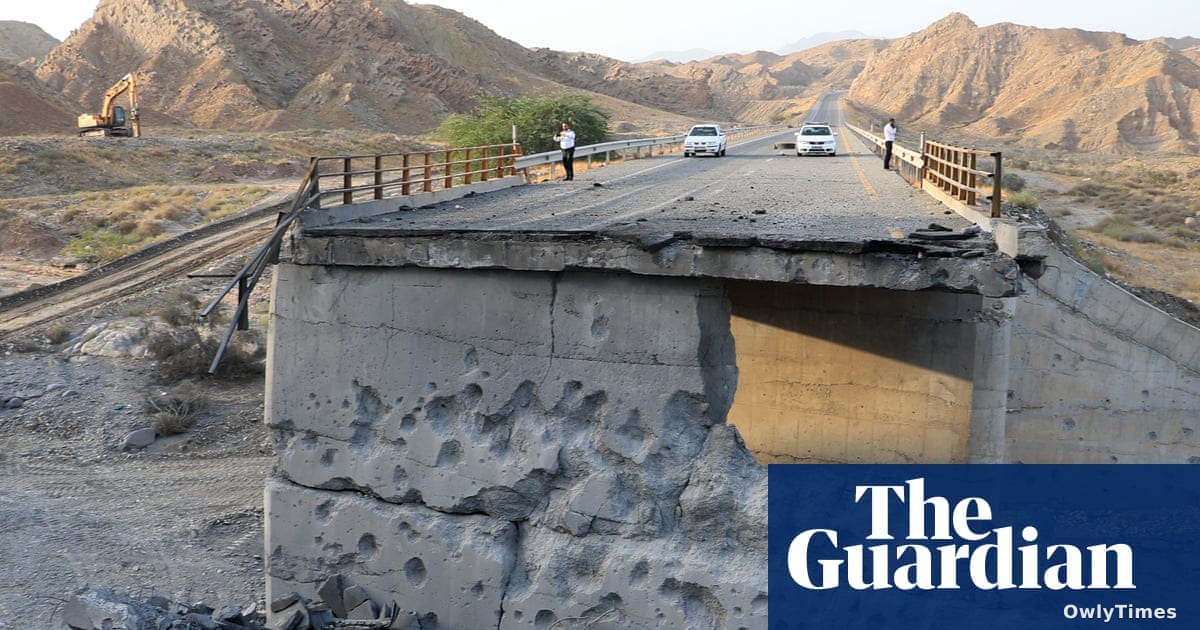
The battlefield has rapidly expanded from military outposts to critical civilian infrastructure, transforming everyday necessities into weapons of war. U.S. airstrikes have systematically targeted Iranian bridges and utility plants, including the Bonji desalination facility, which Euronews notes cut off fresh water to approximately 10,000 people. On the other side, Iranian forces have launched retaliatory strikes across the region, prompting Kuwait, Jordan, and Bahrain to activate their air defenses. In Iran, authorities claim that the latest U.S. strikes have killed at least 50 people and wounded 517 others.
There is also growing concern over Iran’s nuclear ambitions amidst the chaos. According to The Guardian, Iranian state television claimed that American strikes targeted the construction site of the planned Darkhovin nuclear power plant. While satellite imagery from Planet Labs PBC showed only earth clearing and minimal construction as of July 9, the International Atomic Energy Agency confirmed the site contained no nuclear material during its last visit. Nevertheless, striking the periphery of a nuclear site represents a terrifying escalation in targeting parameters.
As the U.S. enters its ninth consecutive night of airstrikes, hitting targets from Tabriz to Chabahar, the conflict is rapidly expanding beyond the control of diplomatic channels. With the United Kingdom Maritime Trade Operations reporting that a commercial vessel was recently struck by an unknown projectile off Oman, the maritime blockade is tightening. My prediction is that we will see oil prices breach the $100-a-barrel threshold before the end of the month, forcing the White House to choose between an unpopular domestic energy crisis or a deeply compromised, resource-depleted military intervention.