
If the global economy is a finely tuned machine, the Strait of Hormuz is its primary drive belt—and right now, that belt is fraying under the friction of a escalating US-Iran conflict. We often talk about digital infrastructure as if it exists in a cloud, untouchable by the messy realities of geography, but this weekend’s military flare-up proves that when the physical world hits a bottleneck, the digital and financial worlds feel the shockwave instantly.
The real story here isn’t just the exchange of fire—it’s the stark disconnect between official narratives of "open" trade routes and the terrifying reality of a maritime corridor that has effectively been throttled into silence.
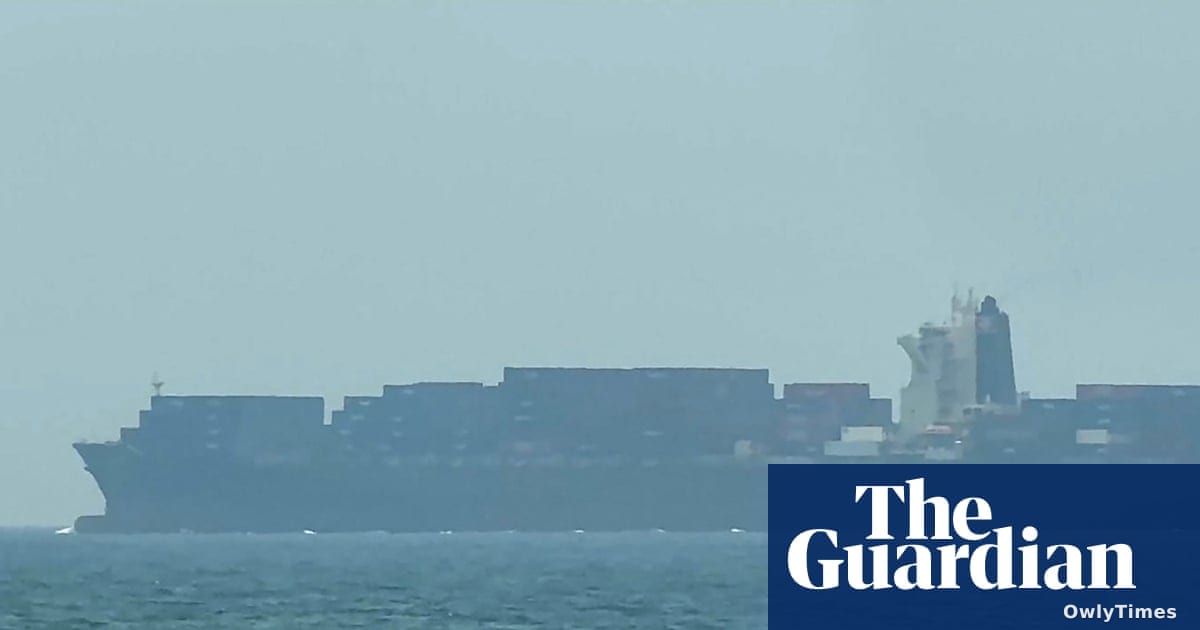
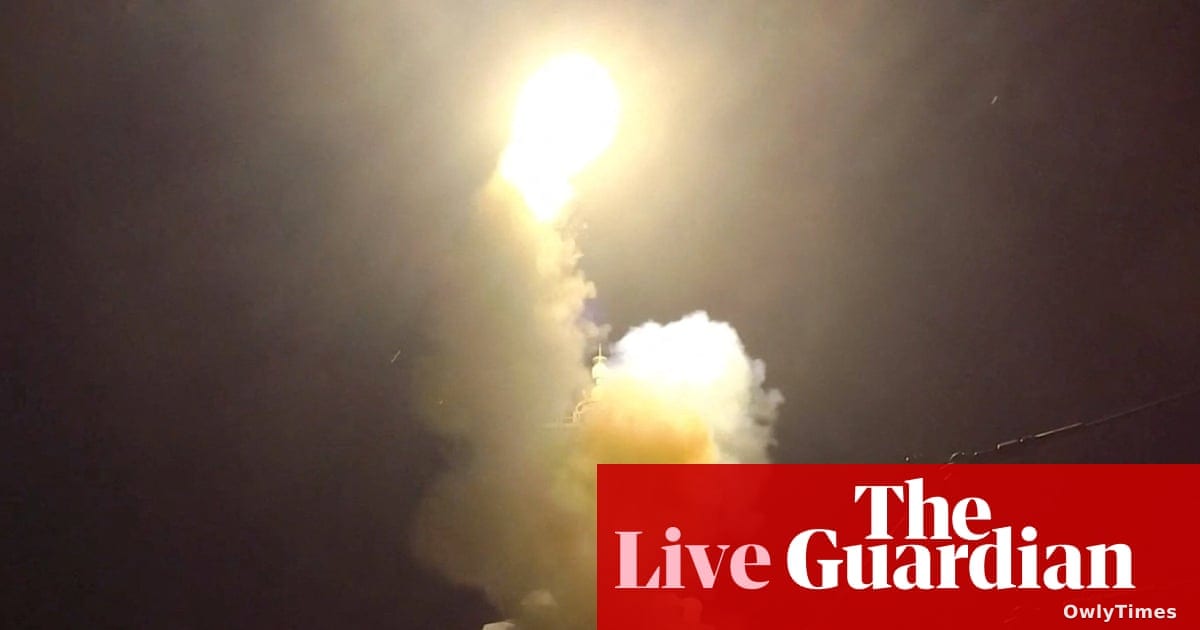
According to reports from The Guardian, the latest cycle of violence began when the Islamic Revolutionary Guard Corps (IRGC) targeted a Cyprus-registered container ship, alleging it took an "unauthorized route." In response, The Independent notes that the US launched a massive counter-offensive involving at least 140 targets. While President Donald Trump insists the strait remains open to commercial traffic, the on-the-ground reality is drastically different. Data from the maritime intelligence firm Kpler reveals that crossings plummeted to just 14 on Sunday—the lowest level in at least a month—with the firm noting a 52% week-on-week decline in confirmed traffic as vessels turn to "dark routes" to avoid being tracked.
The conflict has expanded well beyond the water. The IRGC claimed to have struck military facilities in Bahrain and Kuwait, while also hitting fuel tanks and ammunition depots at the Prince Hassan air base in Jordan. The AP, via ABC News, confirms that Jordan successfully intercepted and downed four of these Iranian missiles. The geographic spread of these strikes—hitting Jordan, Kuwait, Bahrain, and allegedly Qatar and the UAE, according to The Independent—signals a move from isolated maritime skirmishes to a broader regional confrontation.
For the ordinary user, the immediate impact is a sharp uptick in volatility. Oil prices have surged, with Brent crude climbing 3.3% to $78.50 a barrel as markets react to the renewed threat to global energy supplies. As The Independent highlights, this rise in energy costs risks reigniting global inflation just as central banks were looking for cooling trends. This isn't just about gas prices at the pump; it’s about how these supply shocks ripple into the cost of everything from logistics to the hardware components driving our tech sector.
We are currently in the middle of a 60-day interim agreement, but the window for diplomacy is closing fast. While mediators from Pakistan, Qatar, and Egypt are still attempting to salvage a deal, the technical reality of the strait is becoming a hostage to the conflict. The US claims to be keeping the waterway open by force, but the Joint Maritime Information Center admits that traffic is transiting at "reduced levels."
The next major indicator of where this volatility leads will arrive this Tuesday, when the June inflation figures are released and Federal Reserve Chair Kevin Warsh faces Congress for the first time in his new role. If the data shows that these supply chain disruptions are feeding directly back into consumer prices, expect the "AI-driven" optimism currently propping up tech stocks to face a much harsher, more grounded reality.