
$20 Million Per Day Hangs in the Balance: Assessing the Geopolitical Risk Premium on Oil
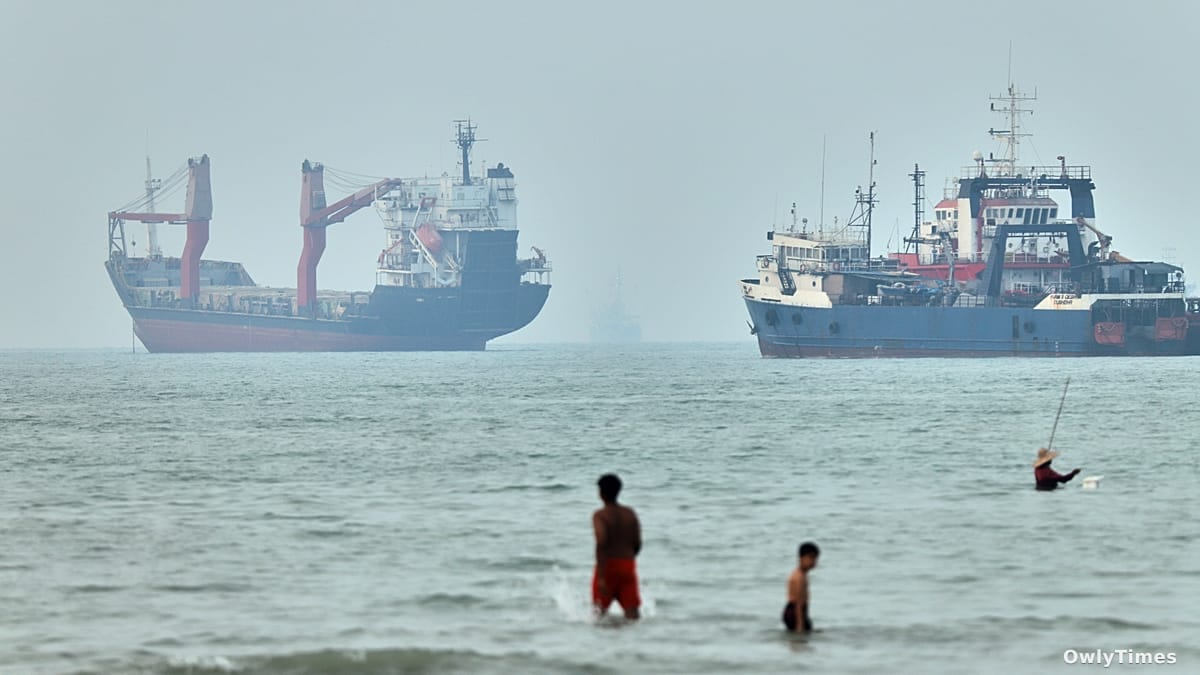
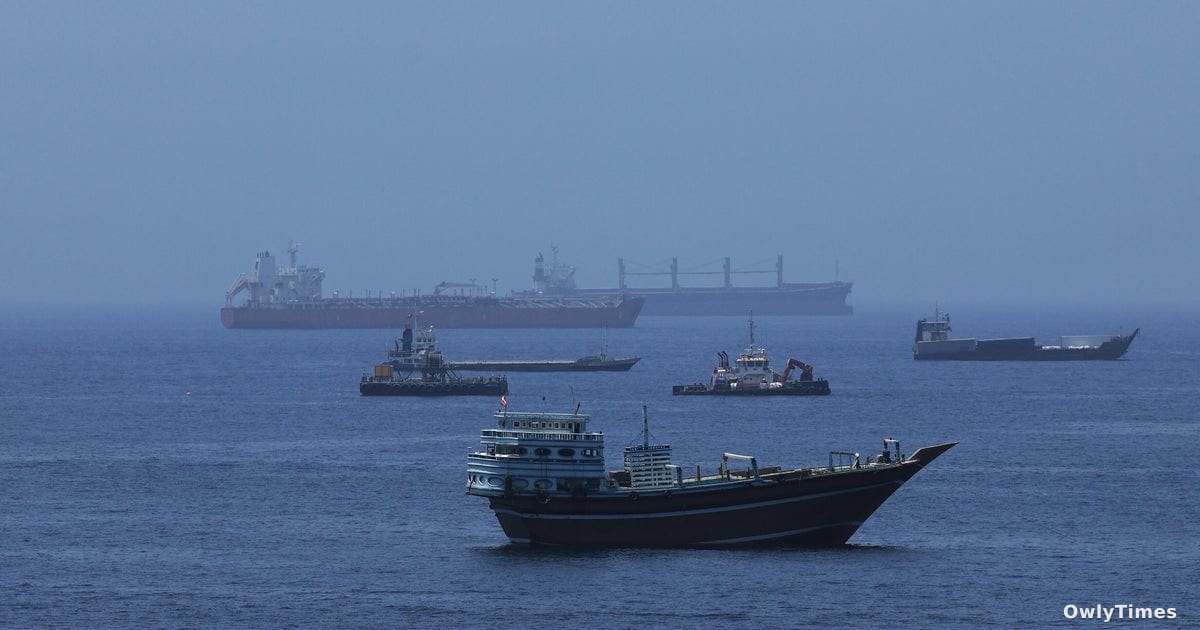
$20 million. That’s the volume, in barrels of oil and refined products, flowing through the Strait of Hormuz every single day – roughly 20% of global demand – and the figure that now dictates the immediate risk to the global economy following recent U.S. and Israeli military strikes against Iran. While initial market reactions are muted due to weekend closures, the underlying tension isn’t about Iran’s current oil exports, but its capacity to weaponize a critical chokepoint and escalate a regional conflict. Follow the money: the price of crude isn’t reacting to lost supply yet, it’s pricing in the probability of future disruption, and the potential for a far wider conflict.
Reporting from NPR informs this analysis.
As of December, Iran was already defying U.S. sanctions to export approximately 1.9 million barrels per day, primarily to China. This figure, while significant, represents roughly 2% of global supply. Antoine Halff, chief analyst at Kayrros, a climate and environmental analytics firm, argues that even a complete halt to Iranian exports wouldn’t cripple the global market. “China has very large reserves, both strategic reserves and commercial reserves,” Halff stated, effectively insulating the world’s largest importer. This explains why the initial impact of sanctions, and even the recent strikes, hasn’t been a dramatic price spike – the market has already absorbed a significant degree of Iranian supply disruption. However, this calculation overlooks a crucial variable: control of the Strait of Hormuz.
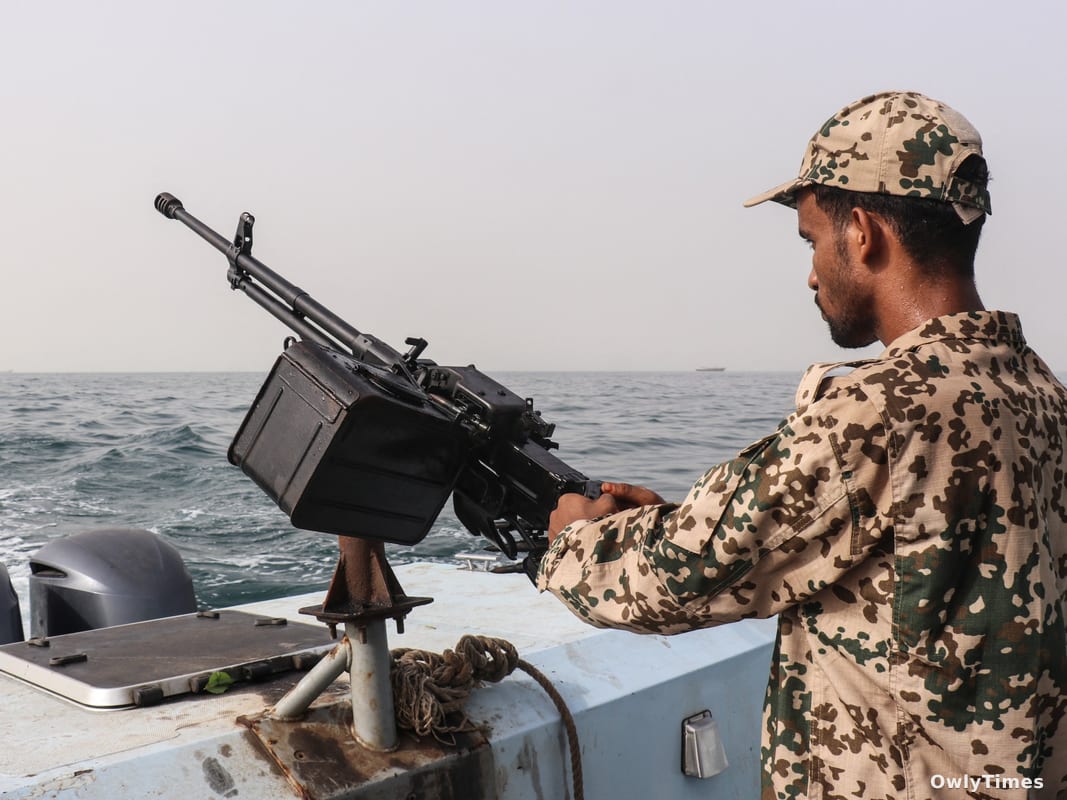
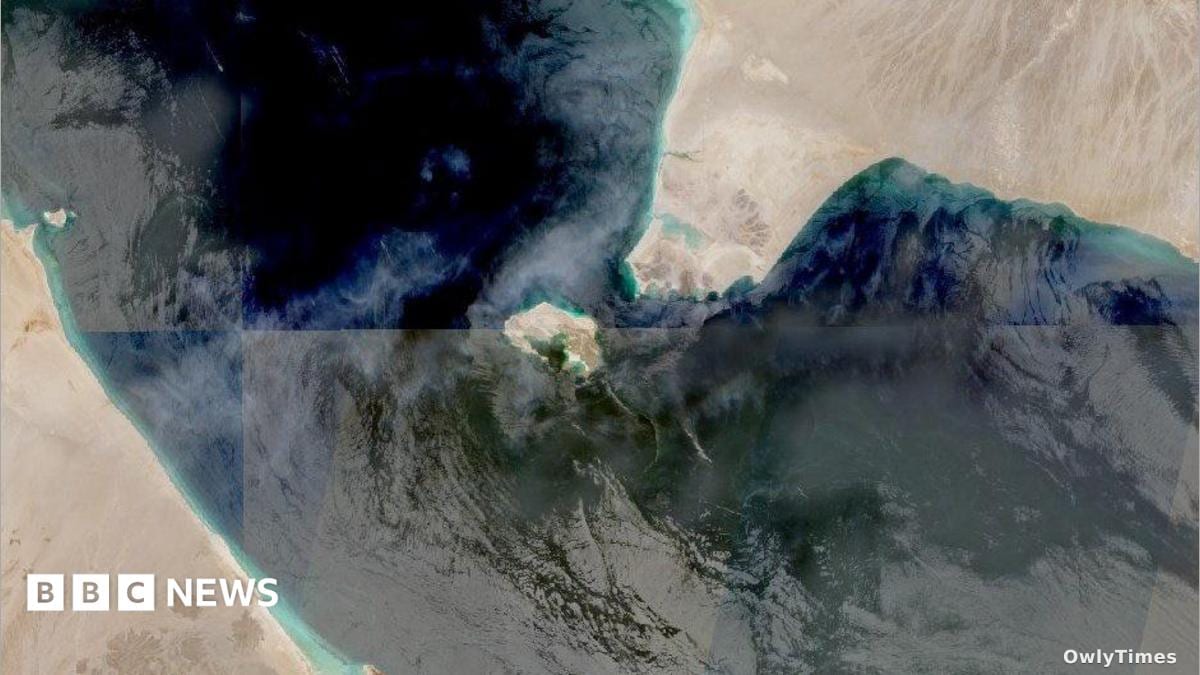
The real vulnerability lies not in Iran’s export capacity, but in its geographic control. The U.S. Energy Information Administration data confirms the Strait’s importance, highlighting its role as the transit point for oil from Saudi Arabia, Iraq, and other Gulf producers. A closure, even temporary, would immediately constrict supply and drive up prices. The market’s recent nervousness isn’t about lost Iranian oil; it’s about the potential for Iran to retaliate by disrupting the flow of other nations’ oil. This is a qualitative risk assessment, and one that’s difficult to quantify until a clear response from Tehran emerges. Last year’s heightened tensions between Iran and Israel offer a limited precedent – both sides avoided targeting oil infrastructure, and the Strait remained open, resulting in relative price stability. But that precedent is fragile.
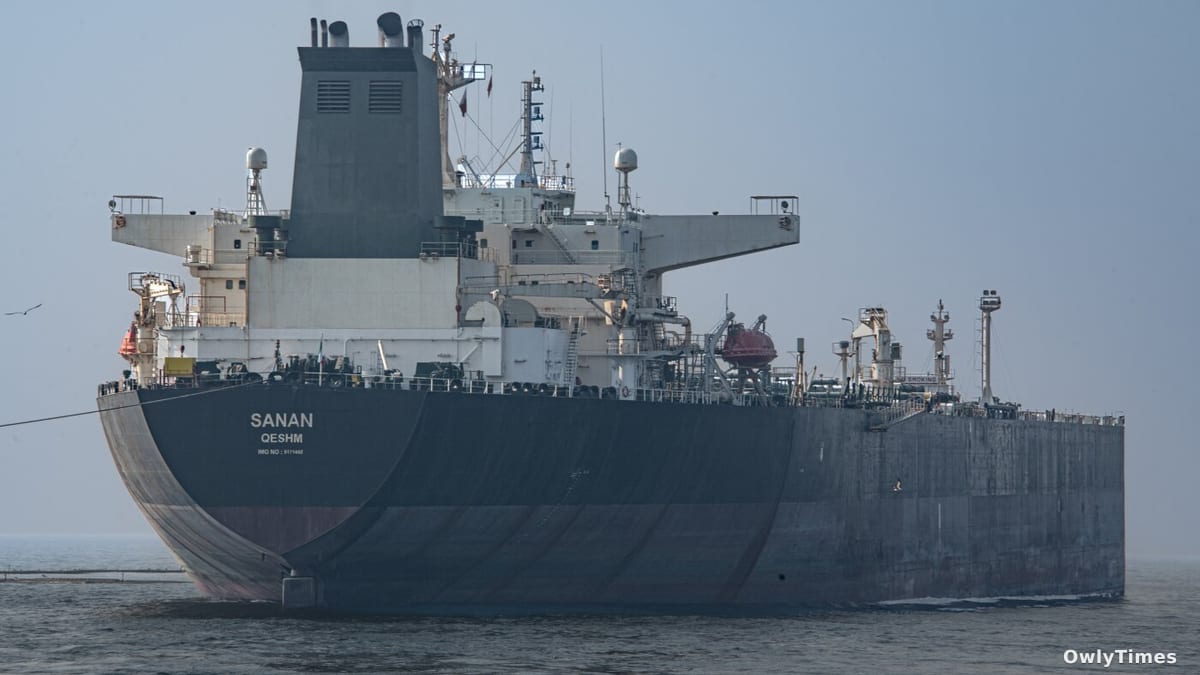
The escalating sanctions enforcement targeting “shadow fleets” – tankers used to circumvent restrictions – demonstrates the U.S.’s awareness of Iran’s evasion tactics. However, these efforts address the symptom, not the cause. The core issue, as outlined by Raad Alkadiri, a managing partner at 3TEN32 Associates, a political risk consultancy, is the “potential spillover effects” of Iranian retaliation. Alkadiri emphasizes that the immediate concern isn’t the initial strikes, but “what that does in the longer term.” The most alarming scenario, and the one currently adding a substantial geopolitical risk premium to crude futures, is a direct attack on neighboring producer nations.
Halff frames the worst-case scenario starkly: an Iranian strike against facilities in Saudi Arabia, Kuwait, the UAE, or Qatar. He assesses the likelihood of this as “stronger,” and the impact as “much, much greater” than simply disrupting shipping lanes. This isn’t merely speculation; it’s a calculation based on Iran’s strategic options and the potential for escalating a conflict. While the world currently enjoys a degree of oil oversupply, mitigating the immediate price shock, that buffer won’t withstand a coordinated attack on Gulf production capacity.
What this means for your wallet: watch for a rapid escalation in gasoline prices if Iran targets Gulf producers. The current market is pricing in a probability of disruption, but a direct attack would trigger an immediate and substantial price spike, far exceeding the incremental increases seen in recent weeks. The key question isn’t if Iran will retaliate, but where and how. Investors should monitor Iranian statements and military movements closely, paying particular attention to any signals indicating a willingness to target regional oil infrastructure. Consumers should prepare for the possibility of $4.00+ per gallon gasoline, and potentially higher, if the conflict expands beyond the Strait of Hormuz.