
The narrative around museum attendance in 2025 is deceptively simple: a story of recovery following the pandemic, punctuated by the allure of blockbuster exhibitions. However, a closer look at the data, as compiled by The Art Newspaper’s annual survey of the world’s 100 most visited art museums, reveals a far more complex picture – one where institutional prestige and strategic programming are battling against the disruptive forces of both natural disaster and political polarization. While some institutions thrived, bolstered by popular shows and free access policies, others faced precipitous declines, highlighting a growing vulnerability within the cultural sector. It’s not merely about if people want to visit museums, but whether they are able to, and what factors are increasingly shaping that ability.
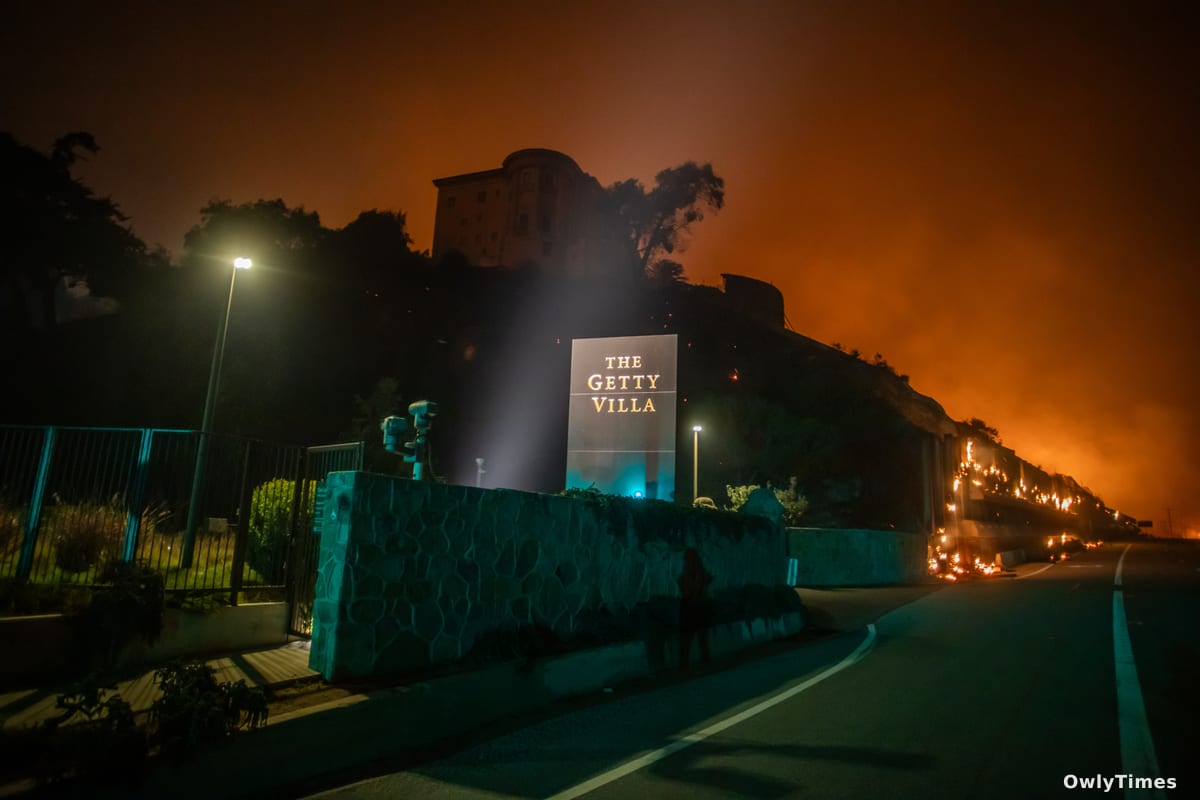
The most dramatic illustration of this vulnerability is the experience of the Getty Villa in Los Angeles. Flames from the Palisades Fire reached the museum grounds on January 8, 2025, forcing a closure lasting approximately six months. This resulted in a nearly 60% drop in annual visitorship. Headlines understandably focused on the immediate impact of the fire, but it’s crucial to understand this wasn’t a reflection of waning interest in the Getty’s collection. As the museum itself clarified to OwlyTimes via email, attendance has since stabilized upon reopening last June. The 60% decline represents a temporary, externally-imposed disruption, a stark reminder of how susceptible cultural institutions are to environmental events increasingly common in a changing climate. This isn’t simply a California problem; it’s a foreshadowing of potential challenges for museums in regions facing heightened climate risks.
Based on the original NPR report.
Beyond the West Coast, the nation’s capital experienced its own set of setbacks. The federal government shutdown last fall significantly impacted D.C. museums. The National Gallery of Art saw a more than 25% decrease in visitors, while the National Museum of African American History and Culture and the National Museum of the American Indian both experienced declines of nearly 15%. The National Portrait Gallery and Smithsonian American Art Museum fared even worse, with audiences reduced to close to half their pre-COVID levels. However, attributing these declines solely to the shutdown overlooks a deeper, more troubling trend. The Art Newspaper detailed a year of “prolonged political battles with the Trump administration over programming,” leading to artist withdrawals from exhibitions and high-level resignations. This suggests a chilling effect, where perceived institutional censorship and political interference actively discouraged attendance, even beyond the immediate impact of closures.
Interestingly, the institutions that demonstrated resilience often did so through deliberate strategies. The Metropolitan Museum of Art in New York City, the world’s fifth most-visited museum, saw a nearly 5% increase in visitorship, aided by the reopening of the Michael C. Rockefeller Wing and popular exhibitions like “Superfine: Tailoring Black Style.” Similarly, the Museum of Fine Arts, Boston experienced a 7% overall increase, with a single Vincent Van Gogh exhibition accounting for over a quarter of its annual attendance. These successes underscore the enduring power of “blockbuster” shows and recognizable names to draw crowds, but also highlight a potential reliance on spectacle over sustained engagement. The Cleveland Museum of Art, which saw a nearly 110% increase in attendance, attributed its success to sustained investment in exhibitions, public programs, and – crucially – free access. This model, prioritizing accessibility and community engagement, offers a compelling alternative to the blockbuster-driven approach.
Looking beyond the U.S., the global picture is equally nuanced. While the Louvre Museum in Paris experienced a close to 5% gain despite a high-profile jewelry theft, museums in East Asia, particularly the National Museum of Korea in Seoul, saw explosive growth – a 72% jump in visitors. Conversely, political unrest in the Middle East severely impacted attendance at institutions like the Israel Museum, which lost 40% of its visitors due to the war in Gaza. These international trends reinforce the central theme: museum attendance isn’t simply a matter of cultural demand, but a complex interplay of geopolitical stability, economic conditions, and institutional responsiveness.
The overall figure of over 200 million visits to the top 100 museums represents a significant improvement from the depths of the pandemic in 2020, but remains below the pre-COVID benchmark of 230 million in 2019. This suggests a slow, uneven recovery, and raises a critical question: as global instability continues to rise, and climate-related disasters become more frequent, how can museums proactively build resilience and ensure continued access to art and culture for all? The next phase of research needs to focus not just on what draws visitors, but on how to mitigate the external factors that increasingly threaten their ability to participate. Will museums need to invest in disaster preparedness plans, diversify their funding sources to reduce reliance on government support, or actively advocate for policies that address climate change and political polarization? The answers to these questions will determine whether the gains of 2025 represent a genuine turning point, or merely a temporary reprieve.