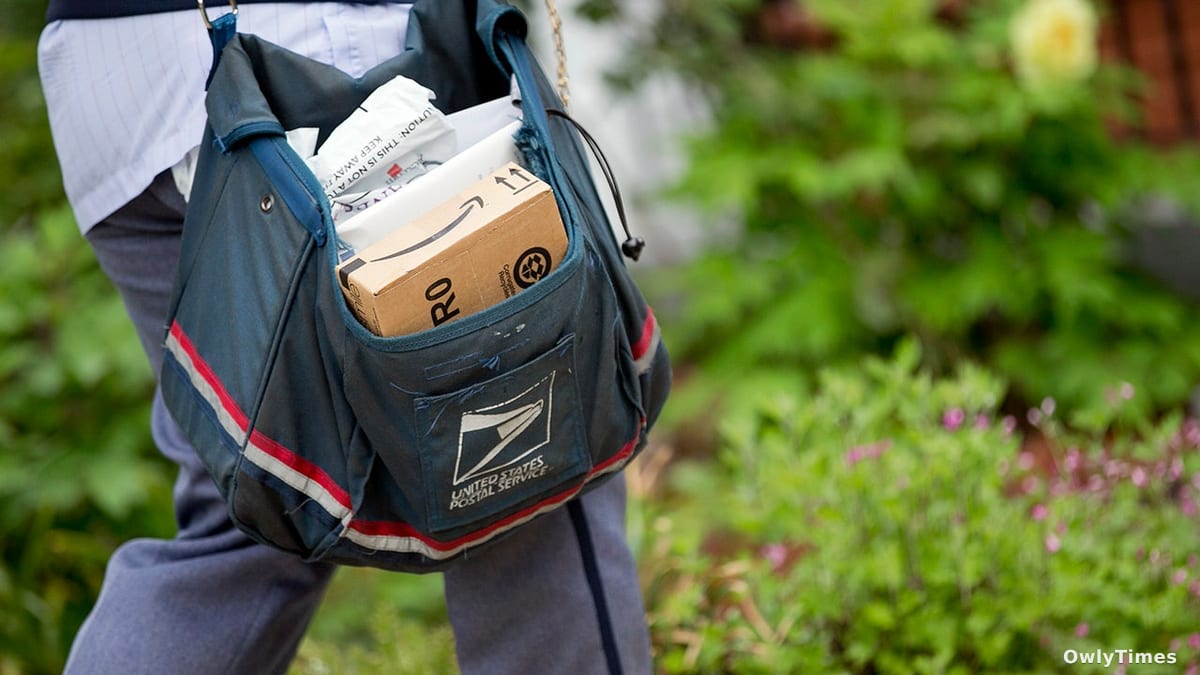

Is the U.S. Postal Service about to admit defeat in the age of Amazon? The headlines scream about an 8% fuel surcharge on packages, starting this April, a first in USPS history. But the real story here isn't a temporary price hike – it’s the stark acknowledgement that the agency, despite years of warnings and incremental price increases, is fundamentally unsustainable in its current form. We’re not talking about a minor operational adjustment; we’re witnessing the unraveling of a civic institution, one package delivery at a time.
Diesel Prices and Desperate Measures
The immediate trigger is, predictably, oil. Diesel prices have rocketed to $5.366 a gallon, a 43% jump in a single month, fueled by disruptions in Middle Eastern oil flows. This isn’t just impacting your Amazon deliveries; it’s a tax on everything shipped by truck. FedEx and UPS have long-established fuel surcharges, and they’ve been ratcheting those up accordingly. The USPS, clinging to a semblance of price stability, has finally buckled. The planned surcharge, slated to disappear in January 2027, feels less like a strategic move and more like a desperate attempt to buy time. It’s a band-aid on a gaping wound, and a remarkably transparent one at that. The agency anticipates this temporary fix won’t solve its problems, and is already eyeing more drastic measures.
This piece references the foxbusiness.com report.
Steiner’s Stark Warnings to Congress
Postmaster General David Steiner isn’t mincing words. He recently testified before a House Oversight subcommittee, painting a grim picture: the USPS is on track to run out of cash in under a year without “significant reforms.” Steiner’s proposed solutions are a litany of unpopular options. We’re talking about potentially ending six-day delivery (a $3 billion annual savings, he claims), shuttering small-town post offices ($840 million in savings), and pushing first-class stamp prices beyond the current 78 cents, potentially to $1 or more. These aren’t suggestions for a brighter future; they’re triage for a patient in critical condition. Steiner is acutely aware of the political minefield. He admitted these cuts “may not be palatable to Congress or the American public,” which is a polite way of saying they’ll likely trigger a firestorm of protest.
The Supreme Court Complicates Matters
Adding insult to injury, the Supreme Court recently ruled 5-4 that the USPS can’t be sued for intentionally failing to deliver mail. This decision, while legally narrow, underscores a disturbing trend: a shrinking expectation of reliable service from a once-ubiquitous public utility. It’s a green light for further cost-cutting, potentially at the expense of timely mail delivery, particularly in rural areas. The court’s decision isn’t about fuel costs; it’s about eroding accountability. It’s a signal that the USPS is operating in a legal gray area, increasingly shielded from public scrutiny.
A Decade of Losses and Declining Mail Volume
The USPS’s financial woes aren’t new. Since 2007, the agency has racked up a staggering $118 billion in net losses. The culprit? A dramatic decline in first-class mail volume, now at its lowest level since the late 1960s. While stamp prices have increased 46% since 2019, reaching 78 cents, Steiner argues they’re still comparatively low compared to other countries. But that argument rings hollow when weighed against the agency’s mounting debt and the increasing unreliability of service. The USPS has already hit its $15 billion borrowing cap, leaving it with limited options. Steiner is pleading for an increase in borrowing capacity, warning that failure to do so could spell “the end of the Postal Service as we know it now.”
The real question isn’t whether the USPS will implement a fuel surcharge, or even raise stamp prices. It’s whether Congress will finally confront the systemic issues plaguing the agency, or allow it to slowly wither away. Watch closely for this: by the end of 2024, will Congress authorize increased borrowing capacity for the USPS and begin serious negotiations on long-term structural reforms? If the answer is no, expect to see a dramatically different postal landscape emerge by 2027 – one defined by higher prices, reduced service, and a shrinking network of post offices.





