
If you think a disaster is merely a matter of plate tectonics and shifting earth, you’ve fundamentally misunderstood the fragility of modern infrastructure. We tend to view our cities as static, permanent fixtures of our lives, but when the ground moves, the real story here isn’t just the seismic energy released—it’s the catastrophic failure of the systems designed to keep that energy from turning into a humanitarian vacuum.
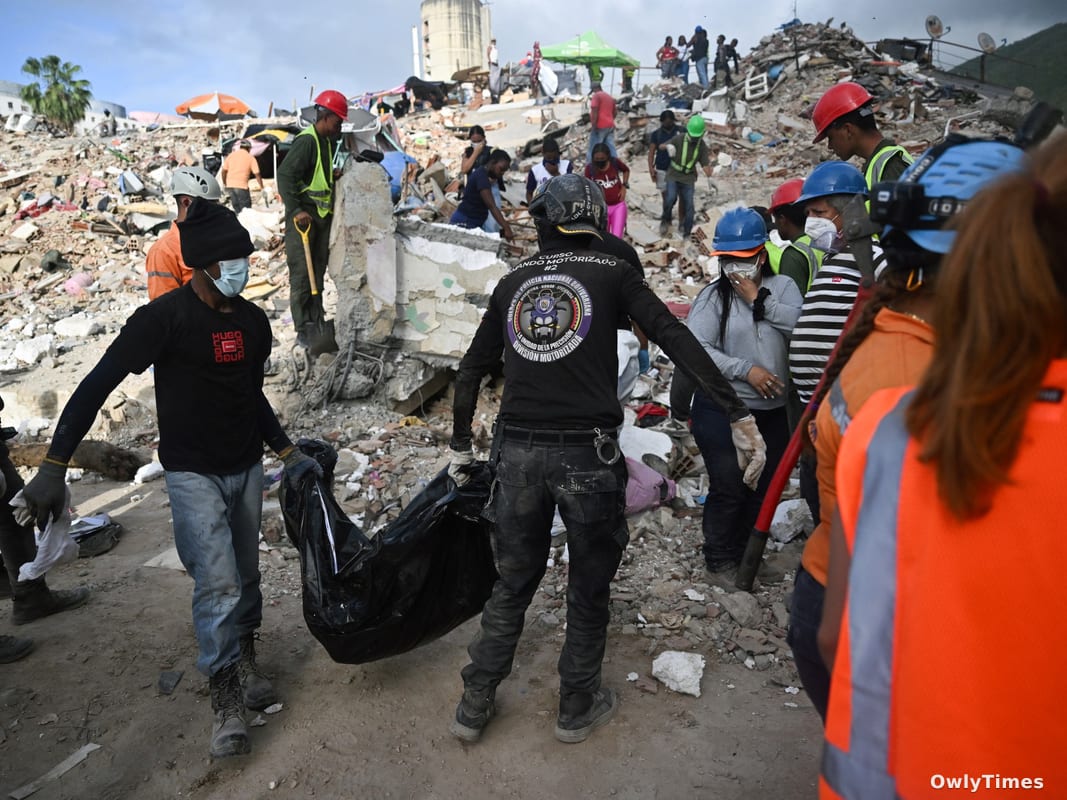
The math of the tragedy in Venezuela is staggering. As of July 18, 2026, the confirmed death toll from the twin earthquakes that struck on June 24 has reached 5,069, according to Al Jazeera. While the Associated Press, reporting via ABC News, confirms this figure, the data reveals a deeper struggle: 16,740 people were injured, a number that has held steady for 11 days, suggesting that the window for finding survivors has effectively slammed shut.
The Failure of Redundancy
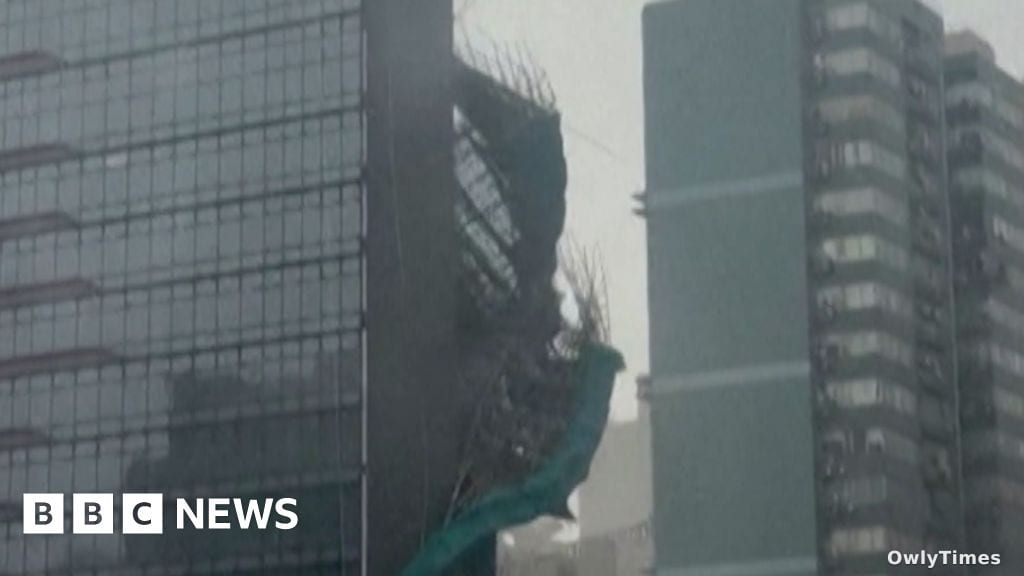
When systems collapse, they rarely do so in isolation. In the coastal state of La Guaira, the devastation was compounded by the failure of the very structures meant to facilitate movement. Euronews reports that while 190 buildings collapsed completely, hundreds of other vital structures—including bridges and roads—were crippled. For the average user in the region, this meant that the digital maps on their phones became essentially useless, as the physical reality of the road network was erased in less than a minute. The twin quakes, measured at magnitudes of 7.2 and 7.5, struck within 39 seconds of each other, according to Euronews, though Al Jazeera characterizes the timing as occurring "within a minute."
The High Cost of Bureaucratic Lag
The recovery effort is currently being subsidized by a $346 million injection from the International Monetary Fund. Both Al Jazeera and Euronews note that this capital, released by IMF Managing Director Kristalina Georgieva, comes from Venezuela's reserve tranche. However, the optics of the situation are fraught with tension. While Interim President Delcy Rodríguez has touted the aid as a lifeline, an investigation by Reuters suggests that the initial rescue phase was kneecapped by internal dysfunction. Military and diplomatic sources cited by the agency point to delayed deployment orders and a chaotic, overlapping chain of command as the primary culprits behind the slow response.
A Precarious Future
For the 20,000 people currently displaced in overcrowded camps, the technical reality is far grimmer than a balance sheet. The lack of sanitation and clean water in these shelters serves as a brutal reminder that, in the wake of a disaster, basic human needs often outpace the ability of international institutions to deploy solutions. The normalization of relations with the IMF and the World Bank—which only occurred in April following the removal of former President Nicolás Maduro—is being tested in the most volatile way possible.
The immediate signal to watch is the stability of the temporary shelters. As aid organizations warn of rising disease risks due to poor sanitation, the government’s ability to manage this secondary crisis will determine if the death toll remains a historical statistic or becomes a compounding tragedy. We are seeing a real-time stress test of a nation attempting to rejoin the global financial grid while its physical foundation is still actively crumbling.