
Beyond Band-Aids: A New Focus on Proactive Hospital Resilience
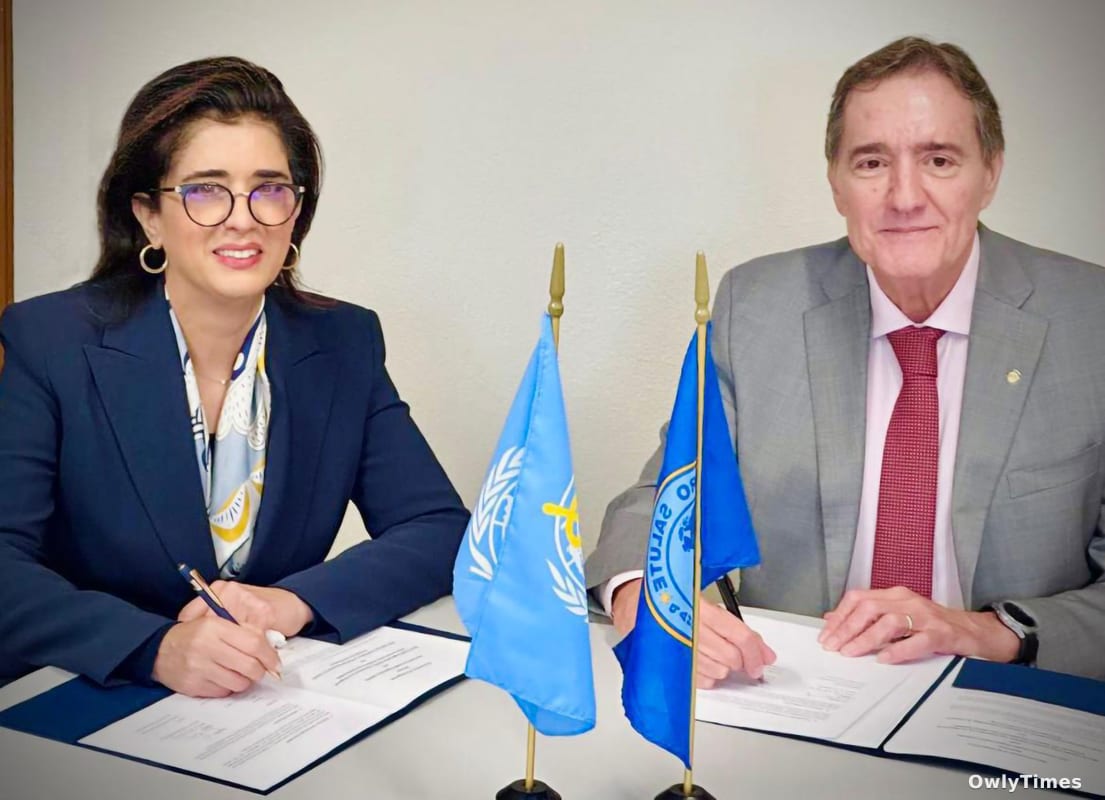
The signing of a Memorandum of Arrangement between the World Health Organization’s Eastern Mediterranean Regional Office (EMRO) and the Pan American Health Organization (PAHO) on February 25th in Cairo, Egypt, isn’t simply a bureaucratic agreement; it’s a tacit acknowledgement of a growing, and often overlooked, crisis in global healthcare delivery. While headlines might focus on disease outbreaks or funding shortages, the fundamental ability of hospitals to remain functional during emergencies – whether natural disasters, conflict, or widespread public health crises – is increasingly compromised. This collaboration isn’t about building more hospitals, but about ensuring the ones we have can withstand the shocks to come, a shift in thinking that reflects a growing understanding of disaster risk management.
The urgency behind this partnership is starkly illustrated by the statistics shared by Dr. Hanan Balkhy, WHO Regional Director for the Eastern Mediterranean. Her statement that the region accounts for 40% of global attacks on healthcare facilities isn’t an isolated figure, but a symptom of broader instability. The Eastern Mediterranean Region, encompassing countries facing protracted conflicts and humanitarian crises, is home to over half of the world’s population in need of humanitarian assistance. This isn’t merely a matter of resource scarcity; it’s a systemic vulnerability where healthcare infrastructure itself is becoming a target, or simply overwhelmed by the sheer scale of need. The agreement, therefore, isn’t a preparation for hypothetical scenarios, but a response to a current reality.
This piece references the emro.who.int report.
At the heart of this collaboration lies the Resilient Hospitals Operational Framework. This isn’t a novel concept – the idea of disaster-proofing healthcare facilities has been around for decades – but the framework offers a practical, phased approach applicable across the entire disaster risk management cycle. It moves beyond reactive emergency response, emphasizing proactive measures to anticipate, absorb, adapt to, and recover from shocks. This “all-hazards” approach is crucial; a hospital prepared for an earthquake may be woefully unprepared for a sustained siege or a rapidly spreading epidemic. Dr. Jarbas Barbosa, PAHO Director, frames this as strengthening “collective capacity,” but the real innovation is in the coordinated application of expertise and resources.
What’s often lost in reporting on international health agreements is the specificity of implementation. This isn’t simply about sharing best practices; EMRO and PAHO will be conducting risk assessments, developing operational guidance, and providing targeted capacity-building. PAHO brings decades of experience in protecting facilities from disasters common to the Americas – earthquakes, hurricanes, and disease outbreaks – while EMRO offers deep contextual understanding of the unique challenges facing the Eastern Mediterranean. This combined expertise will be crucial in tailoring solutions to national needs, avoiding the pitfalls of one-size-fits-all approaches. The agreement also strategically aligns with EMRO’s existing regional priorities, including strengthening health supply chains, expanding the healthcare workforce, and integrating mental health services, recognizing that hospital resilience is inextricably linked to the broader health system.
However, limitations to consider are significant. The success of this framework hinges on political stability and sustained funding in regions often characterized by both. A meticulously planned resilient hospital is still vulnerable if access is blocked by conflict or if essential supplies are diverted. Furthermore, the framework’s emphasis on infrastructure and capacity-building doesn’t directly address the root causes of vulnerability – the political and economic factors that contribute to instability and attacks on healthcare. The agreement also doesn’t explicitly address the issue of healthcare worker safety, a critical component of hospital resilience, beyond the general protection of health workers mentioned in the agreement.
Looking ahead, the next six to twelve months will be critical. EMRO and PAHO will begin translating the agreement into concrete technical support for countries. The key question to watch isn’t whether the framework exists, but whether it’s effectively implemented in the most fragile and high-risk settings. Specifically, we should be tracking whether countries are utilizing the risk assessments to identify vulnerabilities, and whether the capacity-building initiatives are translating into tangible improvements in hospital preparedness. Will we see a measurable decrease in hospital closures during emergencies, and a sustained ability to deliver essential services even under duress? The answer to that question will determine whether this collaboration truly represents a turning point in global healthcare resilience.





