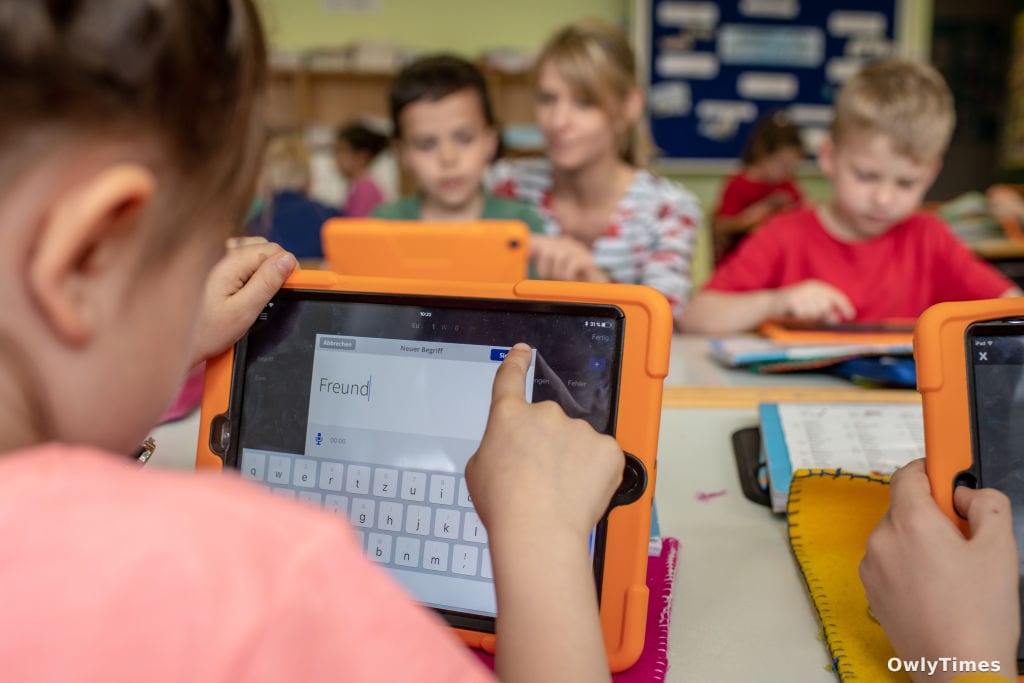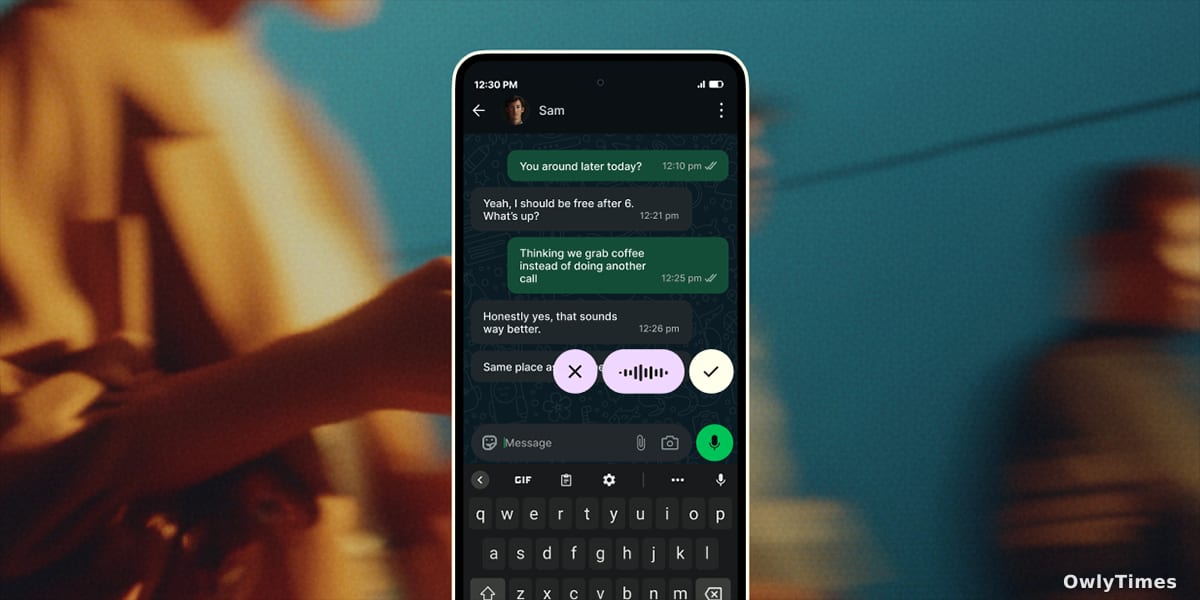

Is the keyboard finally dead? After a century and a half of QWERTY dominance, the question isn’t as absurd as it sounds. Wispr, a company quietly building AI-powered voice-to-text tools, just launched its “Wispr Flow” app on Android, and it’s not trying to replace your keyboard – it’s trying to make it obsolete. The real story here isn’t just another voice-to-text app; it’s a pointed challenge to Google’s complacency and a glimpse into a future where interacting with our phones feels less like tapping glass and more like…talking.
Beyond Pixel Perks: The Android Voice Input Problem
For years, Android’s voice-to-text experience has been a tale of two devices. If you own a Google Pixel, the built-in voice input is remarkably good, thanks to on-device processing and constant refinement. But for the vast majority of Android users – the 87.6% who don’t have a Pixel (as of Q1 2024) – it’s often a frustrating exercise in repetition and correction. The inconsistency is jarring, and it highlights a broader issue: Google seems content to let its best features remain exclusive perks for its flagship phones. Wispr is betting that Android users are tired of waiting for the rest of the ecosystem to catch up.
See the original 9to5Google story for the full account.
A Different Approach: Floating Button, Not Full Replacement
What sets “Wispr Flow” apart isn’t just its claimed accuracy – though Wispr promises to transcribe “rambled thoughts” into “clear, perfectly formatted text” – it’s how it integrates with Android. Unlike the iOS version, which requires you to swap out your entire keyboard, the Android app operates as a floating button. Tap it, speak, and the text appears in whatever app you’re using. This is a crucial distinction. It sidesteps the inherent friction of changing deeply ingrained habits (like, you know, typing) and allows users to dip their toes into voice input without a full commitment. The app requires permissions to display over other apps and access the clipboard, standard requests for this functionality, but it’s a clever workaround that avoids the keyboard wars.
Hinglish and Beyond: The Global Voice Opportunity
Wispr isn’t just aiming for English-language dominance. The app supports over 100 languages, including “Hinglish” – a blend of Hindi and English commonly spoken in India. This is a significant move, recognizing that the future of voice input isn’t solely about catering to native English speakers. India alone has over 600 million internet users, and the ability to seamlessly switch between languages is a game-changer for accessibility and convenience. While many voice assistants offer multilingual support, the nuance of understanding code-switching (like Hinglish) is where Wispr hopes to gain an edge. The company’s early access period is currently offering unlimited usage on Android, a stark contrast to the 1,000-word weekly limit on iOS and the usual $12/month subscription for unlimited access elsewhere.
The Google Elephant in the Room
This launch isn’t happening in a vacuum. It arrives alongside reports that Google has largely ignored its own Android “Digital Wellbeing” tools, signaling a pattern of neglecting features that don’t directly drive revenue. Is Wispr capitalizing on Google’s apathy? Absolutely. And that’s precisely why this is interesting. The tech giant has a history of acquiring promising startups to neutralize competition. But Wispr’s approach – integrating with Android, rather than trying to supplant core functionality – makes it a less obvious target.
Here’s what to watch for: in the next six months, will we see Google dramatically improve Android’s native voice-to-text capabilities, particularly for non-Pixel users? Or will they continue to let third-party apps like Wispr Flow fill the void, potentially paving the way for a fundamental shift in how we interact with our phones? The free period won’t last forever, and the question isn’t if people will pay for better voice input, but who they’ll pay. I predict that if Google doesn’t respond decisively, we’ll see a surge in demand for voice-centric apps, and the keyboard, as we know it, will begin its slow fade into obsolescence.