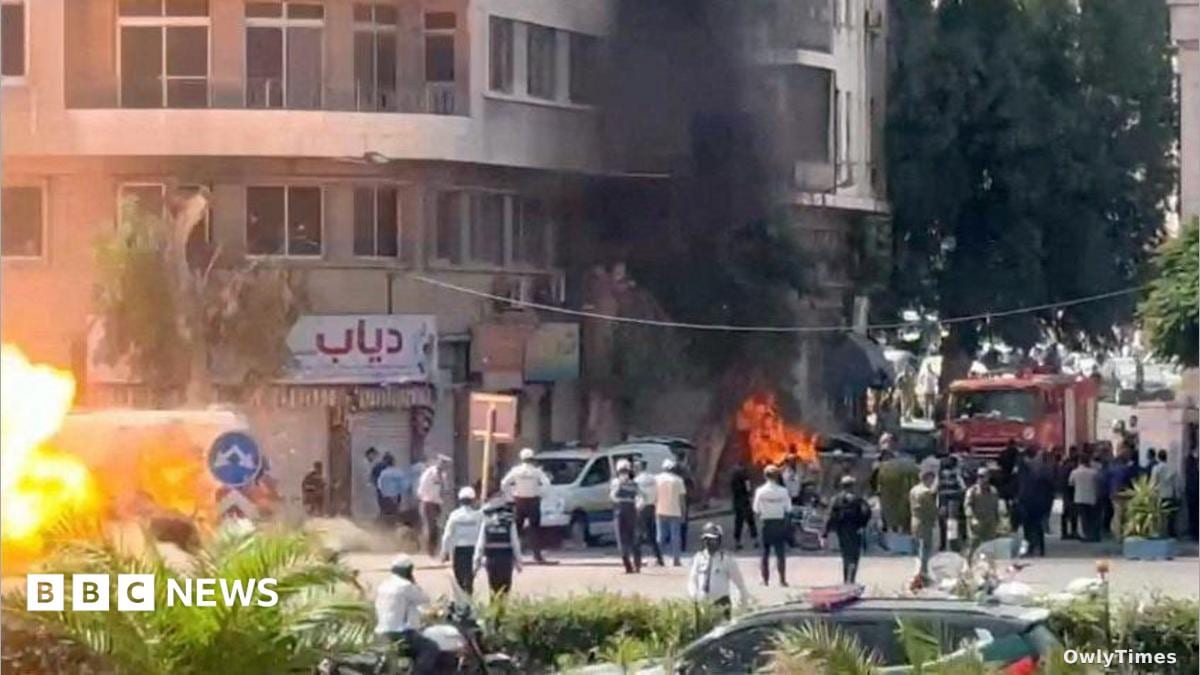

18 individuals were wounded in central Damascus on Tuesday morning following a dual-bomb attack occurring in close proximity to the Four Seasons hotel, an event that has cast a shadow over the first visit to Syria by a European Union leader since the 2024 fall of the Bashar al-Assad regime. According to the BBC, the explosions—located approximately 125 meters from the hotel—targeted a vehicle and a waste bin as security specialists attempted to neutralize the devices.
Follow the money: the timing of these blasts is particularly sensitive given that French President Emmanuel Macron arrived in the capital leading a high-level economic delegation, including Rodolphe Saadé, CEO of shipping giant CMA CGM, and Patrick Pouyanné, CEO of TotalEnergies. As reported by The Guardian, the delegation successfully signed over a dozen bilateral agreements, including infrastructure reconstruction projects in Homs and technical assistance for the Syrian central bank. These deals are intended to stabilize a nation where, according to the same report, roughly 90% of the population currently lives in poverty.
The security situation remains a point of contention among major outlets. While the BBC and The Guardian both confirm the total casualty figure of 18, including four police officers, CBS News notes that official confirmation of these casualties has been difficult to verify independently. Furthermore, CBS News reports that some sources speculated the incident could have been an attempted assassination of the French President, though Macron was reportedly at the presidential palace meeting his Syrian counterpart, Ahmed al-Sharaa, when the devices detonated.
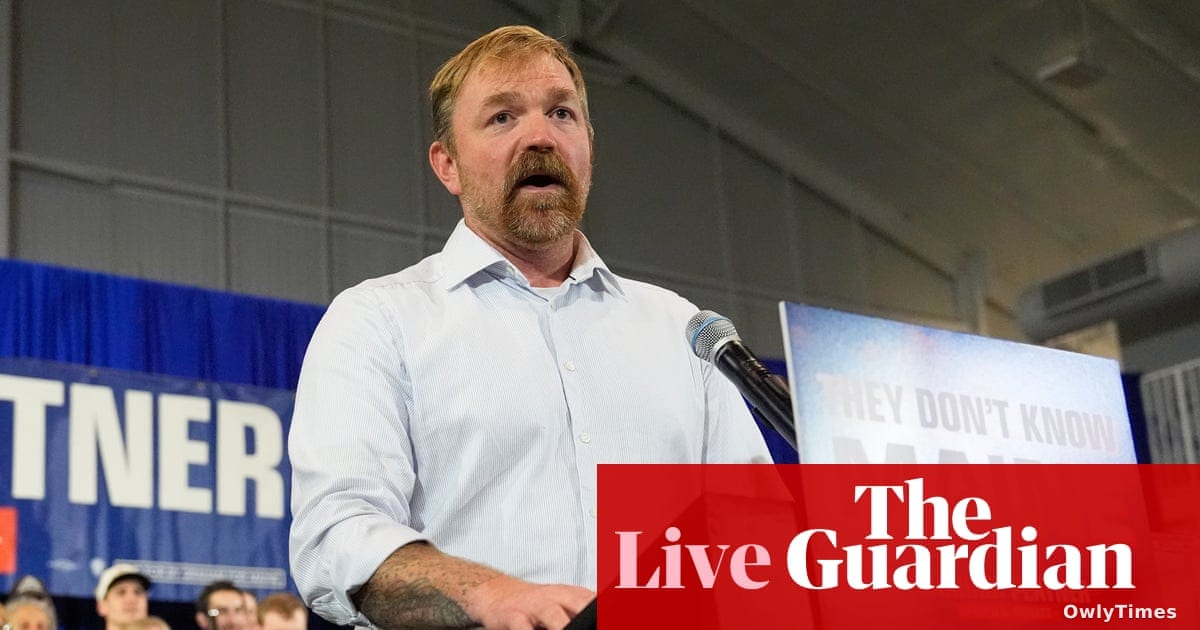
The political stakes of the visit are underscored by the history of the current Syrian administration. The Independent highlights that al-Sharaa, a former al-Qaeda-linked commander, has been working to rebrand Syria's geopolitical standing since the 13-year civil war ended. The visit marks a significant diplomatic thaw; The Guardian notes that France and Syria have agreed to designate ambassadors, a major move toward normalized relations after ties were severed in 2012.
Market participants should note that the economic recovery of the region remains highly volatile. Beyond the immediate security risks, The Independent points out that while memorandums of understanding have been signed for large-scale reconstruction, many have yet to come to fruition. Investors should monitor the upcoming NATO summit in Ankara, where al-Sharaa is expected to hold a high-profile meeting with U.S. President Donald Trump. For those with exposure to the region, the primary signal to watch is the consistency of infrastructure project execution against the backdrop of ongoing, sporadic urban violence, such as the separate cafe bombing that killed at least 10 people in Damascus just last Thursday, as reported by The Guardian.