
Is the stability of the global energy market just a digital illusion, easily toggled on and off by the whims of a memorandum? The real story here isn't just the return of kinetic warfare in the Strait of Hormuz—it’s the fragility of the algorithmic peace that Silicon Valley’s favorite geopolitical tools were supposed to enforce.
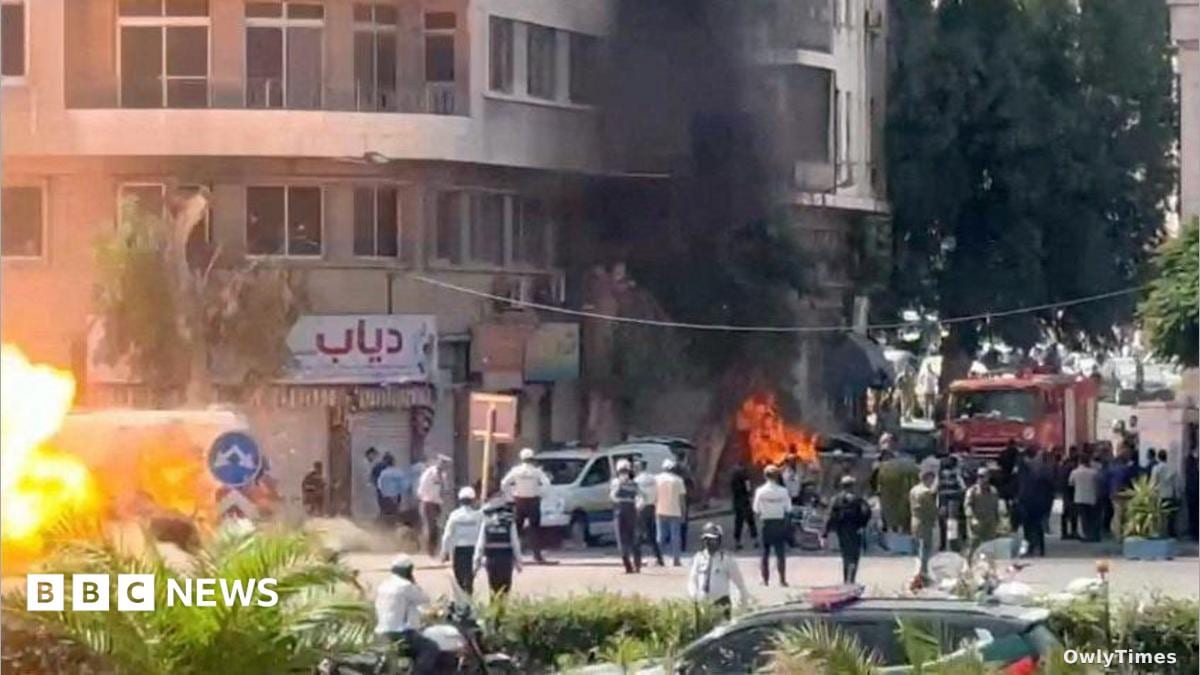
On Tuesday, the U.S. military launched what CENTCOM described as a series of "powerful" strikes against Iran, targeting air defenses, radar, and anti-ship missile sites. According to CBS News, the operation included strikes on more than 60 small boats operated by the Islamic Revolutionary Guard Corps to degrade their ability to harass international shipping. While The Guardian reports the operation was expected to last for hours, Iranian state media confirmed explosions in Sirik, Bandar Abbas, and on Qeshm island.
The trigger for this escalation was the targeting of three commercial vessels, including the Qatari LNG tanker Al-Rekayyat and the Saudi-flagged supertanker Wadyan. The United Kingdom Maritime Trade Operations (UKMTO) reported that the Al-Rekayyat suffered an engine room fire after being hit by an unknown projectile, while other tankers sustained structural damage. The Joint Maritime Information Center (JMIC) immediately raised the threat level for the strait to "severe," a status not seen since June 15.
The real story here isn't the exchange of fire—it’s the sudden evaporation of the economic concessions that were holding the fragile ceasefire together. Following the attacks, the U.S. Treasury revoked a waiver that had allowed Iran to sell oil and petrochemicals, a move The Independent notes was a core concession in last month's 14-point memorandum of understanding. Iranian Deputy Foreign Minister Kazem Gharibabadi condemned the revocation as a "blatant violation" of that deal.
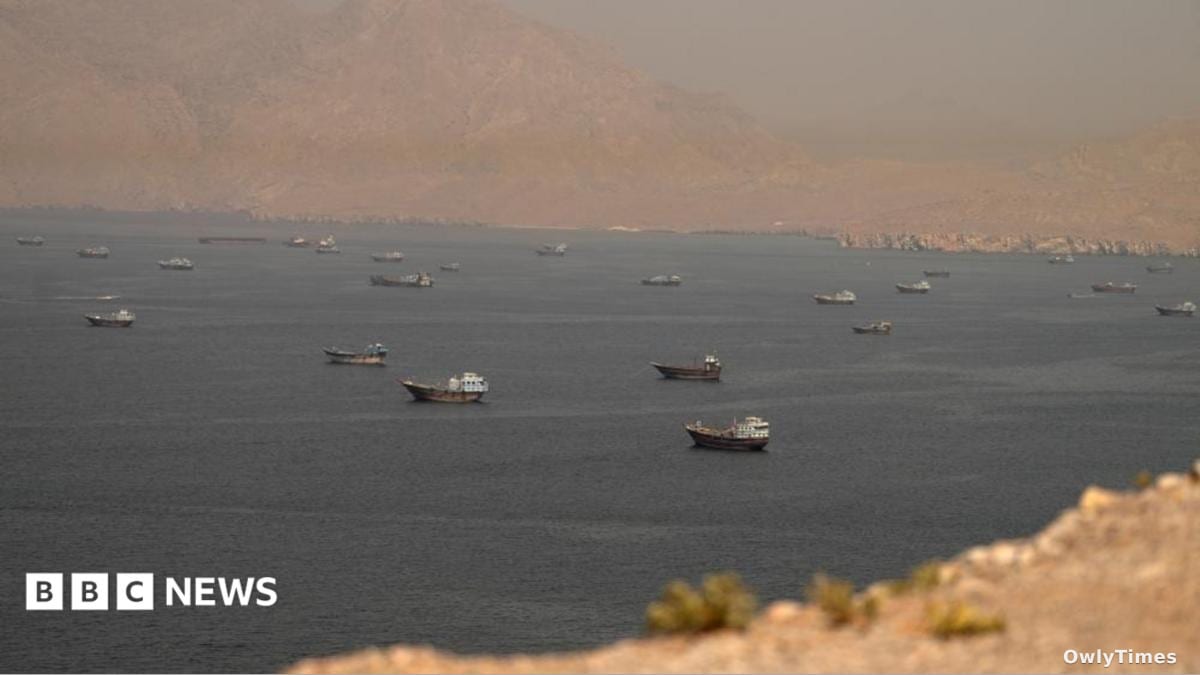
For the ordinary user, these high-level diplomatic ruptures translate directly into price volatility at the pump. CBS News reports that Brent Crude jumped 5.5% on the news, hitting nearly $76 per barrel. This is a stark reminder that while we often view global energy as a decentralized, automated market, it remains tethered to the physical reality of a narrow waterway where roughly one-fifth of the world’s oil supply passes. Kpler data shows transit dropped to only 16 vessels on Tuesday, the lowest level in three weeks.
The diplomatic fallout is equally severe. Qatar and Saudi Arabia have both formally blamed Tehran for the attacks, with Iranian officials countering that the U.S. is acting in "bad faith." With the funeral of Supreme Leader Ayatollah Ali Khamenei currently underway, the geopolitical tension is nearing a boiling point. The next measurable signal to watch is the expiration of the 30-day window cited in the memorandum, by which time Tehran claims commercial traffic should have returned to pre-war levels—a goal that currently appears further away than ever.