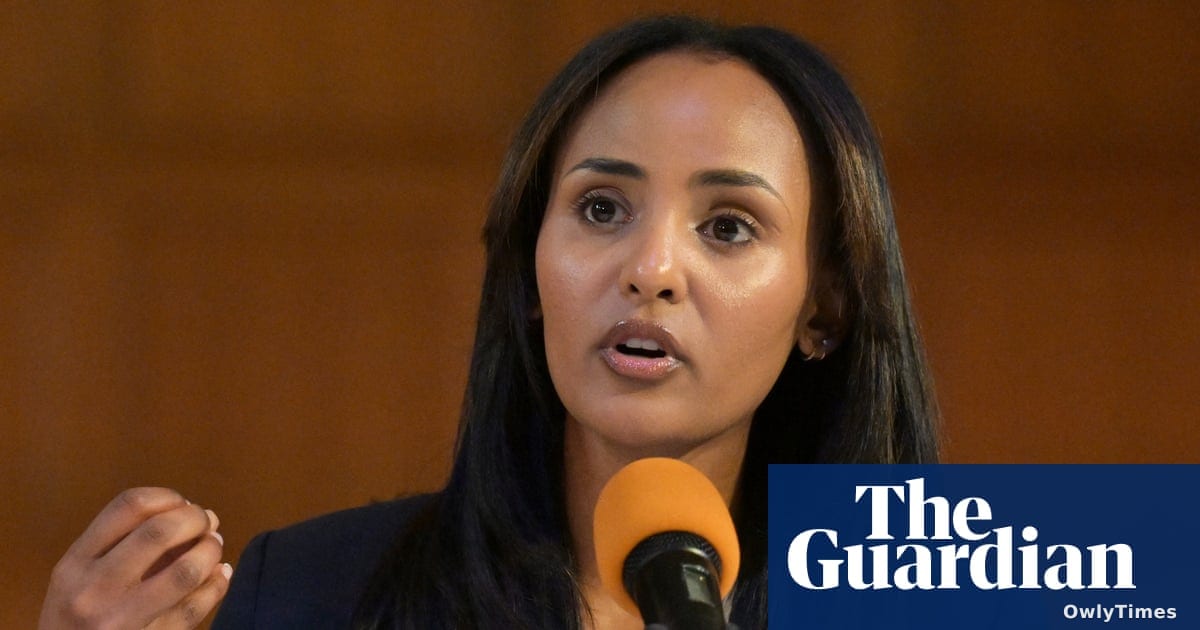

Is political seniority in the digital age becoming a liability rather than an asset? The primary results from Colorado’s first congressional district suggest that the era of the safe, long-term incumbent is hitting a wall of algorithmic disruption and grassroots mobilization.
The real story here isn’t just that a 29-year-old newcomer beat a 15-term veteran—it’s that the tools of political insurgency are being wielded with the precision of a software startup, turning deep-blue districts into testing grounds for a more aggressive, left-leaning brand of politics.
According to The Guardian, democratic socialist Melat Kiros successfully unseated incumbent Diana DeGette in Tuesday’s primary. The victory is significant not only for the turnover of a long-standing seat but for the margin of the disruption. CBS News reports that as of 10 p.m. MT on election night, Kiros secured 49.3% of the vote compared to DeGette’s 43.5%, with Wanda James trailing at 7.2%. Al Jazeera notes that the race was officially called once 78% of the ballots were counted, at which point Kiros held a lead of nearly 7,000 votes.
For everyday users watching this, the shift mirrors the way legacy platforms are often blindsided by lean, hyper-focused competitors. Just as a niche app can capture a user base by addressing a specific frustration, Kiros built her campaign on a singular, high-intensity platform. She explicitly called for an arms embargo against Israel and labeled the country's actions in Gaza a genocide, a stance she maintained despite intense scrutiny, including questions from local media regarding her past comments on the 9/11 attacks and a 2025 firebombing in Boulder, as detailed by The Guardian.
The infrastructure behind this upset was clearly visible months ago. CBS News highlights that Kiros’s momentum was evident back in March at the Denver Democratic Assembly, where she captured 63% of the delegate vote—nearly double DeGette’s 32%. As strategist Mike Dino told CBS, the incumbent's reliance on traditional name recognition proved insufficient against a challenger who was "well-organized" and consistently underestimated.
The wider Colorado landscape reflects this anti-establishment wave. In the gubernatorial race, Al Jazeera and The Guardian both report that Attorney General Phil Weiser ousted U.S. Senator Michael Bennet for the Democratic nomination for governor. The primary focus for Weiser’s campaign, according to Al Jazeera, was positioning himself as the primary defender against President Donald Trump.
The financial reality of these races, however, remains stark. While progressives are winning ideological battles, they face significant hurdles in the general election. Al Jazeera points out that in the race to challenge Republican Gabe Evans, progressive Manny Rutinel faces a massive funding gap, reporting only $910,000 on hand compared to Evans’s $3.4 million.
If this cycle follows the patterns of previous primary insurgencies, we should expect the national party apparatus to attempt a cooling-off period before the general election. The real signal to watch is the November 3 midterm date; the control of the House hinges on a net gain of three seats for Democrats, and these newly nominated candidates will be the primary test of whether this populist energy translates into a broader legislative majority.