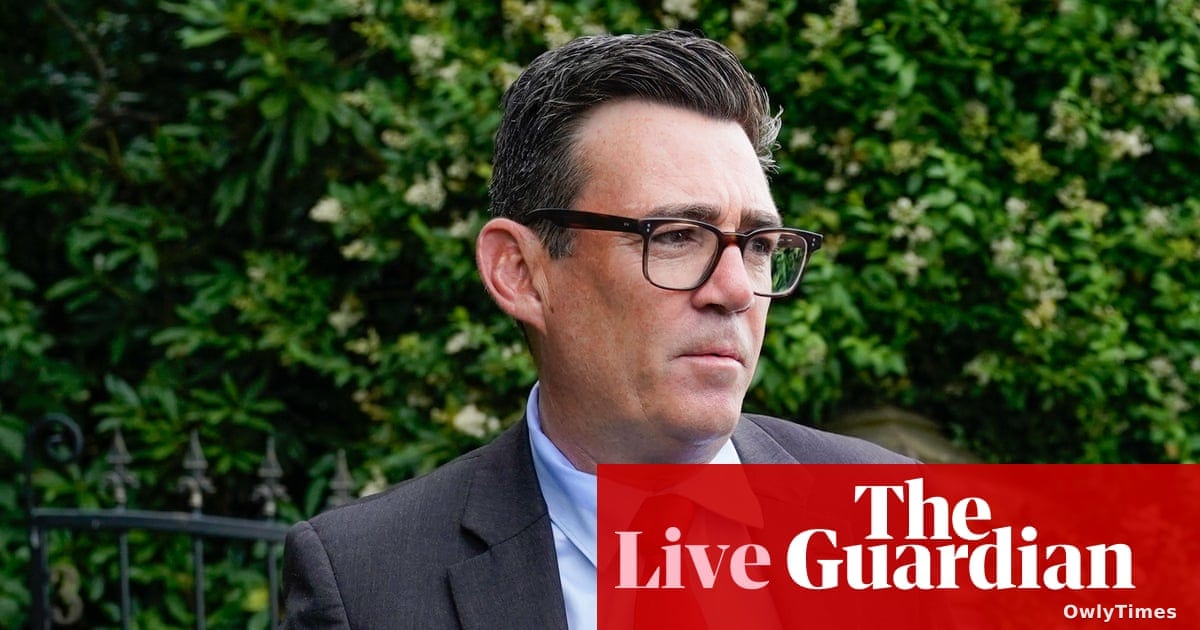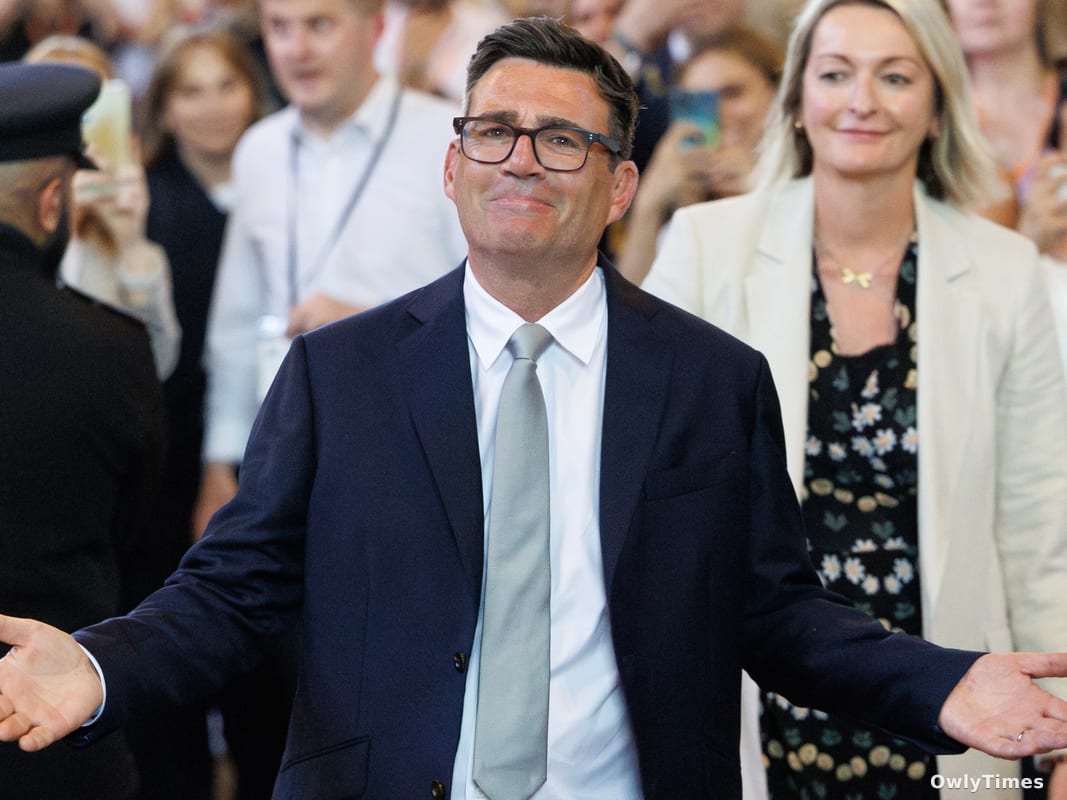

The strategic calculus driving the rapid consolidation of support around Andy Burnham stems from a desperate Labour Party effort to avoid the structural paralysis that plagued the Conservative government during its final years. By moving to bypass a protracted leadership contest, Labour’s internal power brokers are attempting to project a veneer of unity to stabilize a government reeling from the resignation of Keir Starmer. The political maneuver is clear: avoid a divisive, months-long public debate that would only highlight deep-seated ideological fissures regarding foreign policy and economic governance, and instead pivot to a narrative of regional pragmatism.
Who benefits and who loses in this transition is already being debated by party stakeholders. Proponents of the coronation, including Lucy Powell, argue that a single-candidate transition is a "refreshing" necessity to stop "infighting and chitter chatter," according to the BBC. Conversely, those who lose out are the internal party factions—particularly the left-wing elements concerned with Gaza policy—who may see their influence further diluted by the party’s move toward "continuity," a term used by Nimer Sultany of SOAS University of London to describe the likely trajectory of a Burnham premiership, as reported by Al Jazeera.
The historical parallel here is the revolving door of the Conservative Party’s leadership crises, specifically the 2022 collapse of Liz Truss’s administration. While Labour figures like Steve Reed insist the current situation is distinct because the Tories "repeatedly changed leader while in government," the political optics are inherently risky. As the BBC notes, the Conservatives—now in opposition—are quick to frame this as an attempt to avoid public scrutiny. Shadow housing secretary James Cleverly has explicitly warned that avoiding a general election will only delay critical decisions on defense spending, a sentiment echoed by Kemi Badenoch, who demanded Burnham address Parliament before the summer recess.
The policy challenges awaiting the incoming leader are substantial, particularly regarding the UK’s relationship with global power structures. On the issue of Israel and Gaza, Al Jazeera highlights that while Burnham broke ranks with Starmer to call for a ceasefire in October 2023, he remains a "political weathervane" whose past positions have shifted from pro-Palestine advocacy to support for Israeli state interests. Polling commissioned by groups including Save the Children UK and Medical Aid for Palestinians underscores the pressure he faces, showing that over 60 percent of Labour members are dissatisfied with the current government’s response to the conflict.
Furthermore, the incoming administration must grapple with the growing influence of the tech lobby, which critics argue has effectively captured the British state. Writing in The Guardian, Beeban Kidron contends that the government has been "swaddled" by industry lobbyists, leading to the signing of unscrutinized memorandums of understanding with US firms like Palantir. Whether Burnham can reverse this trend toward Silicon Valley-dominated infrastructure will be a litmus test for his commitment to national sovereignty.
The political chess move to watch next is Burnham’s planned speech in Manchester this coming Monday. While supporters see it as a platform to outline a vision for devolution and growth, the opposition is already framing it as an evasive tactic. The true test of his authority will be whether he chooses to address these economic and foreign policy pressures in the formal environment of the dispatch box, or if he continues to rely on the "warm words" of public rallies that his critics in the Conservative party are already moving to delegitimize.