
Is the future of artificial intelligence paved with natural gas? That’s the unsettling question bubbling beneath the surface of the current tech euphoria. We’re told AI will revolutionize everything from healthcare to transportation, but the real story here isn’t groundbreaking innovation – it’s a massive, and rapidly accelerating, build-out of fossil fuel infrastructure to power that innovation. The AI boom, largely centered in the San Francisco Bay Area, is quietly fueling a surge in natural gas plant development across the United States, potentially undermining decades of climate progress.
Just in the past year, the generating capacity of natural-gas plants in development has tripled, reaching a staggering 252 gigawatts. To put that in perspective, that’s half the size of the entire existing national fleet of such plants. Jenny Martos, a research analyst for Global Energy Monitor, succinctly put it: “You’ve just seen an absolute surge in gas power… proposals in the U.S. in the last year.” This isn’t a gradual shift; it’s an explosion. And it’s directly tied to the insatiable appetite for electricity required to train and run the complex AI models being developed by companies like OpenAI, Anthropic, Google, and Nvidia.
Based on the original sfexaminer.com report.
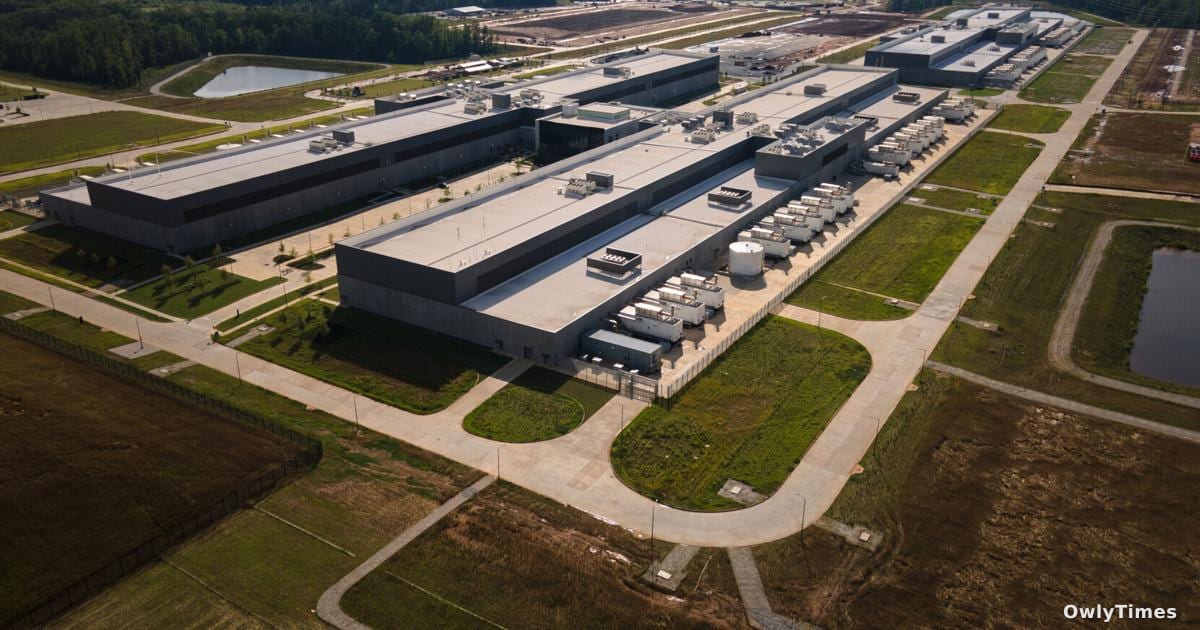
The narrative coming from Silicon Valley often emphasizes sustainability – pledges to reduce carbon footprints, exploration of nuclear power. But the reality on the ground is far more pragmatic, and frankly, alarming. Data centers, the physical hubs of the AI revolution, are power-hungry beasts. The U.S. currently has 577 data centers drawing about 14 gigawatts of power, but a further 677 are in development, requiring a colossal 187 gigawatts to operate. That’s enough energy to power 18.7 billion LED lightbulbs. While the industry talks a good game about renewables, the speed at which this demand is growing is pushing utilities and data center providers towards the quickest, most readily available solution: natural gas.
The consequences are potentially devastating. If these plants are built and fully utilized, national carbon emissions from power plants could increase by over 60% above current levels. Mark Jacobson, a professor of civil and environmental engineering at Stanford University, is blunt: building gas plants is “bad… for climate. It’s bad for air quality. It’s bad for the environment, in terms of land use.” Over 50 years, the emissions from these new plants alone could warm the planet by 0.024 degrees Celsius – a seemingly small number, but a significant setback when climate scientists are desperately trying to limit warming to 1.5 degrees above pre-industrial levels. This isn’t just about abstract global temperatures; it’s about increased pollution, respiratory illnesses, and a worsening climate crisis impacting communities across the country.
There’s a significant layer of uncertainty here. Turbine backlogs are stretching to seven years, and 58% of the proposed gas-plant projects haven’t even secured a turbine manufacturer. Jenny Martos notes that forecasted completion dates are being pushed back, suggesting some projects may never come to fruition. But even a partial build-out represents a substantial risk. The current rush is driven by the frantic race to develop more capable AI models, a competition fueled by tens of billions of dollars in investment, particularly in the Bay Area. This investment is, ironically, reviving San Francisco’s office market, but at what cost?
The tension is stark: we’re celebrating technological progress while simultaneously laying the groundwork for a climate catastrophe. The promise of AI – transforming economies, replacing outdated technologies – is seductive, but it’s a promise built on a foundation of fossil fuels. The industry’s focus is on processing power, not power source. This isn’t a technological limitation; it’s a prioritization problem. We have the tools to build a sustainable future, but the current trajectory suggests we’re choosing the path of least resistance, even if that path leads us closer to climate disaster.
Here’s what to watch for: over the next six months, pay attention to whether major AI developers begin to publicly pressure their cloud providers – companies like Amazon, Microsoft, and Google – to commit to 100% renewable energy sources for data center operations. If those commitments don’t materialize, and the surge in gas plant development continues unabated, we’ll know the AI revolution is being powered by a dangerous illusion of progress.