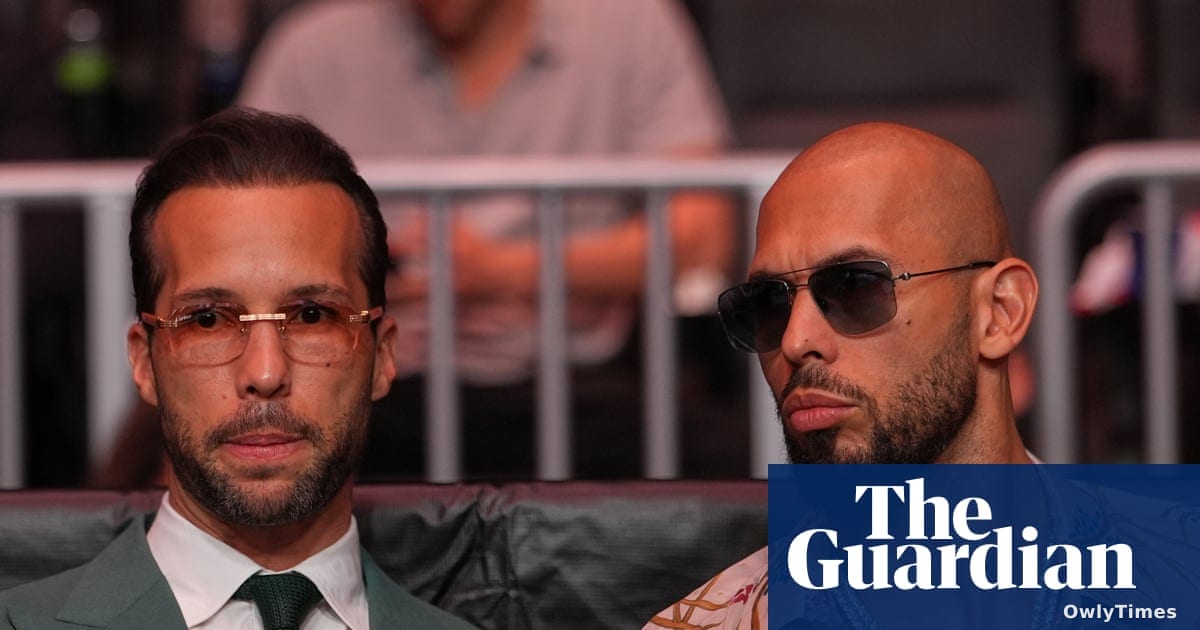

Is the "manosphere" finally colliding with the reality of the international legal system, or are we just watching a high-stakes game of jurisdictional hopscotch? When social media influencers build empires on the back of curated hyper-masculinity, they often act as if the rules of the physical world—like borders, extradition treaties, and criminal law—are merely optional terms of service. But this weekend, that digital insulation failed.
Andrew Tate, 39, and his brother Tristan Tate, 38, were arrested by U.S. Marshals in Miami this past Saturday, according to the U.S. Marshals Service. While the brothers have long projected an image of untouchable wealth and influence, the real story here isn’t the flashy setting of their Miami arrest—it’s the fact that they have officially run out of legal jurisdictions to hide in.
The arrest follows a series of new, grave allegations leveled by the United Kingdom’s Crown Prosecution Service (CPS). According to the CPS, Malcolm McHaffie, head of the service’s special crime division, confirmed that four additional victims have come forward, bringing the total number of alleged victims in this specific UK case to seven. These new charges are extensive: Andrew Tate faces seven further counts of rape, three counts of facilitating sexual exploitation, three counts of assault occasioning actual bodily harm, and 19 charges related to indecent images of a child and extreme pornography. Tristan Tate faces charges including sexual assault, two counts of rape, and three counts of facilitating sexual exploitation, as reported by CBS News.
The legal landscape here is a tangled web of international treaties. Both The Guardian and Deadline note that the arrests were executed pursuant to an extradition request from the UK. A Department of Justice spokesperson told CBS News that the action was taken in accordance with established treaties governing extraditions. This is a significant shift from the brothers' previous legal entanglements in Romania, where they were arrested in 2022 on human trafficking and rape charges, only for the case to stall due to what Variety reports as procedural irregularities.
The defense, led by attorney Joseph D. McBride, has opted for a combative strategy. In a statement provided to CBS News, McBride characterized the arrest as a "political hit" and a "kidnapping" via paperwork. He further alleged that the UK’s extradition bid is an attempt to disrupt the American judicial process, referencing a separate criminal investigation into the brothers by Florida Attorney General James Uthmeier mentioned in The Independent.
The disconnect between the influencers' online persona and their offline reality is striking. While they have spent years leveraging connections to high-profile figures—including reported interactions with Donald Trump Jr. and Barron Trump, as noted by The Independent—these social ties have not shielded them from the slow, methodical grind of the UK’s legal system.
For the ordinary user, this case serves as a blunt reminder that digital reach does not confer immunity. The Tates' ability to bypass traditional media and speak directly to millions of young men provided them with a massive, loyal audience, but it also created a false sense of security that the digital world is a sovereign nation. It isn't. The next phase of this saga will be decided in a courtroom, not a comment section. Watch for the upcoming extradition hearings; the moment a judge rules on the validity of the UK's request, the Tates' ability to treat their legal status as a matter of opinion will officially expire.