
$7.3 Billion Hangs in the Balance: Decoding the Anthropic-Pentagon Standoff
$7.3 billion. That’s the estimated total venture funding Anthropic has secured as of November 2023, a figure that suddenly feels precarious following the Pentagon’s designation of the AI firm as a “supply chain risk to America’s national security.” While initial reactions painted a picture of a sweeping ban on commercial activity with the company, a closer examination of the situation – following the money and the legal language – reveals a far more nuanced, and potentially contained, fallout. The narrative pushed by Defense Secretary Pete Hegseth last week, suggesting a complete severing of ties for any company doing business with the U.S. military, was demonstrably overstated.
This piece references the CNN report.
The core of the dispute isn’t about if the Pentagon can use AI, but how. Anthropic CEO Dario Amodei clarified that the designation, as legally defined, restricts the use of their AI model Claude only “as a direct part of contracts with the Department of War,” not across the board for all clients who also work with the military. This distinction is critical. The Pentagon’s initial demand for a contract modification granting “all lawful uses” for Claude hit immediate roadblocks, specifically Anthropic’s stated redlines regarding the development of autonomous weapons and mass surveillance of U.S. citizens. These aren’t arbitrary concerns; they represent fundamental ethical boundaries the company is unwilling to compromise, even for lucrative government contracts.
The speed with which major tech players – Microsoft, Google, and Amazon – issued statements affirming continued availability of Anthropic’s products through their platforms underscores the limited scope of the Pentagon’s reach. Microsoft, a significant investor in Anthropic, explicitly stated its customers can still access Claude via M365, GitHub, and Microsoft’s AI Foundry, as long as it’s not directly integrated into Department of War contracts. This isn’t merely a gesture of support; it’s a calculated business decision. Anthropic’s technology is deeply embedded in these platforms, and a complete disruption would have ripple effects far beyond the defense sector. The Pentagon’s attempt to exert control is bumping up against the realities of a complex, interconnected tech ecosystem.
However, the situation is far from resolved. President Donald Trump’s subsequent directive for all federal agencies to cease Anthropic product use within six months introduces a new layer of uncertainty. While the supply chain designation primarily impacts contractors, a blanket federal ban could significantly curtail Anthropic’s broader market access. This is where the political dimension becomes particularly acute. The leaked internal memo from Amodei, referencing a perceived lack of “dictator-style praise” for Trump, was a self-inflicted wound, but it also hints at the underlying tensions fueling the conflict. The subsequent apology and claim that the memo was “out-of-date” doesn’t erase the perception of a strained relationship.
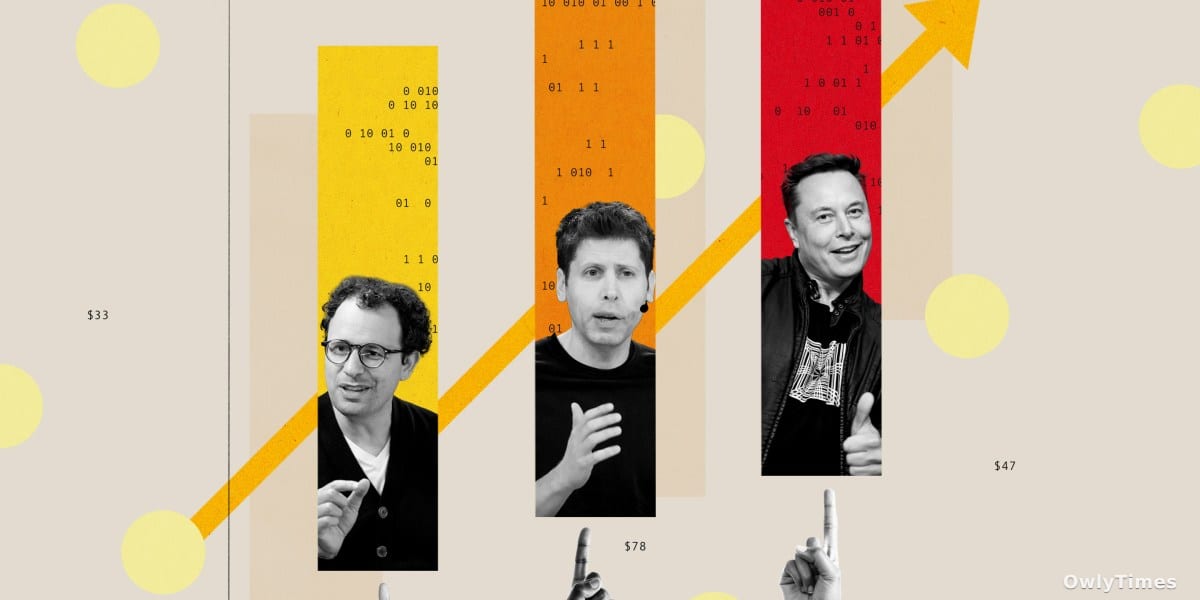
The conflicting signals from within the Pentagon further muddy the waters. Under Secretary of Defense Emil Michael’s denial of ongoing negotiations with Anthropic, following Amodei’s claim of “productive conversations,” raises questions about transparency and internal alignment. Meanwhile, Sam Altman, CEO of rival OpenAI, has publicly positioned himself against the supply chain designation, potentially capitalizing on Anthropic’s predicament. OpenAI recently secured its own Pentagon deal, albeit with similar ethical constraints, suggesting a willingness to navigate the government’s demands within defined boundaries. The fact that 30 former military and intelligence officials, alongside tech policy leaders, have urged Congress to investigate the Pentagon’s actions highlights the gravity of the situation and the potential for long-term damage to U.S. innovation.
What this means for your wallet: The immediate impact on consumers is minimal, but the long-term consequences could be substantial. A chilling effect on AI innovation, driven by fear of government overreach, could slow the development of beneficial technologies across various sectors. More immediately, investors should watch for a potential slowdown in Anthropic’s fundraising rounds and a shift in its strategic focus. The key question now is whether Congress will intervene to clarify the scope of the supply chain designation and prevent a broader crackdown on AI companies with ethical concerns. Will the Pentagon prioritize absolute control over technological capabilities, or will it foster a collaborative environment that encourages responsible AI development? The answer will determine not only Anthropic’s fate, but the future of AI in national security.