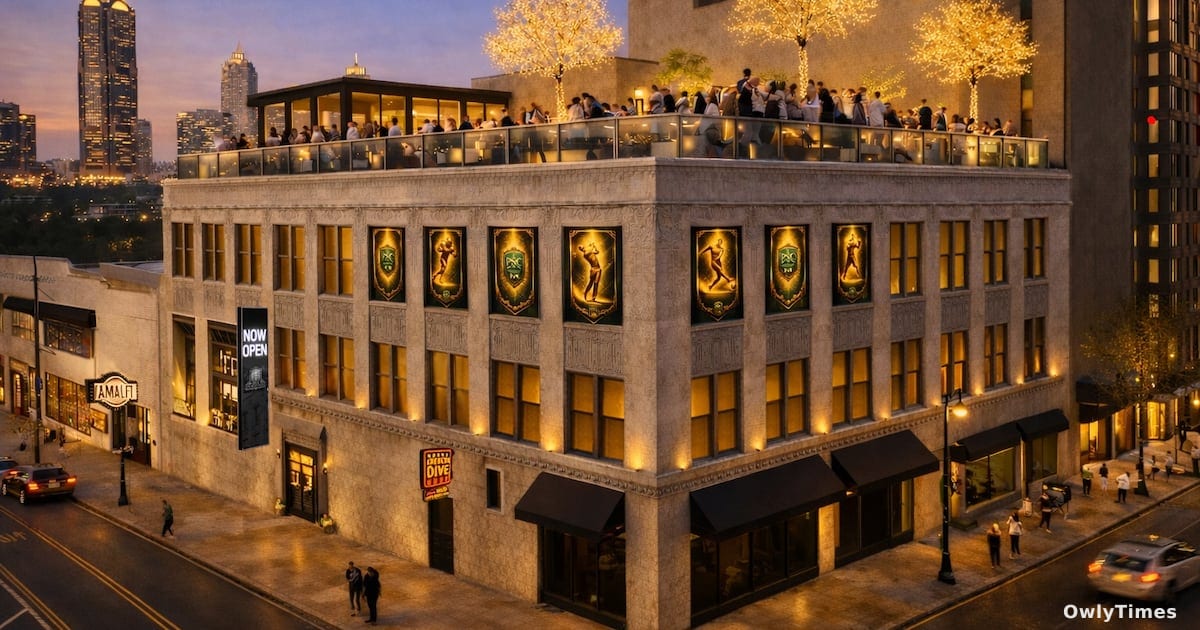

Downtown Atlanta is bracing for a surge in visitors with the approach of summer and the looming 2026 FIFA World Cup, but the preparations aren’t solely focused on hotels and transportation. A quiet transformation is underway at 207 Peachtree Street, a nearly century-old building poised to become a multi-faceted entertainment hub. While headlines announce a new “entertainment destination,” the story is less about a single venue and more about a calculated bet on experiential retail – a shift in how Atlantans, and soon a global audience, spend their leisure time. This isn’t simply about adding bars; it’s about adapting a historic structure to meet a demand for immersive, localized experiences, a trend increasingly vital in a competitive hospitality landscape.
The project, spearheaded by RPB Management Group, will introduce a roadside Americana-themed bar with live music, a traditional sports bar, and a rooftop lounge and event space. Initial investment clocks in at $1.01 million, a figure that, while substantial, is relatively modest compared to the billions being invested in infrastructure upgrades directly tied to the World Cup. The building’s history – dating back to 1929 and previously housing the Southern Building – adds a layer of narrative appeal. Developers are leaning into this, aiming for a “nostalgic feel” and a connection to Atlanta’s past. However, the success of this venture hinges on more than just aesthetics; it requires a careful balance between honoring the building’s character and delivering a contemporary entertainment experience.
Based on the original ajc.com report.
The concept of “experiential retail” is central here. For years, brick-and-mortar businesses have struggled against the convenience of online shopping. The response has been a move towards offering something digital platforms cannot: tangible, memorable experiences. This manifests as interactive displays, live events, and, as in the case of 207 Peachtree, curated atmospheres. Savannah Sicurella of The Atlanta Journal-Constitution notes the project aims to be “more than just a bar,” but the challenge lies in defining what “more” truly means. The rendering of the sports bar, for example, depicts a fairly standard layout – televisions, tables, a bar. The differentiation will come from the details: the quality of the pub fare, the atmosphere, and the events hosted. The success of similar concepts elsewhere suggests that a strong local identity is crucial.
It’s important to note what the announcement doesn’t say. The release lacks specifics regarding parking, noise mitigation, or community engagement plans. While the project is being touted as a boon for downtown, the potential impact on neighboring businesses and residents remains unclear. The building is located in a densely populated area, and increased foot traffic and noise levels could create friction. Furthermore, the reliance on the 2026 FIFA World Cup as a driver of business raises questions about long-term sustainability. Will the venue thrive after the initial influx of tourists subsides? The developers, including BPR, New Office, and JD Entertainment, haven’t publicly addressed these concerns.
Limitations to consider include the inherent volatility of the entertainment industry. Consumer preferences are fickle, and a concept that is popular today could quickly fall out of favor. Economic downturns can also significantly impact discretionary spending on entertainment. Moreover, the success of 207 Peachtree is inextricably linked to the broader revitalization of downtown Atlanta, a process that has faced numerous challenges in recent years. The area has seen increased investment, but also struggles with homelessness and perceptions of safety.
Looking ahead, the next crucial step will be the execution of the design and the curation of the entertainment offerings. Will the Americana theme feel authentic, or contrived? Will the rooftop lounge become a destination in its own right, or simply another bar with a view? More importantly, will the developers actively engage with the surrounding community to address potential concerns and ensure that the project benefits all stakeholders? The opening of 207 Peachtree this spring will be a test case – not just for RPB Management Group, but for the future of experiential retail in Atlanta. We should watch closely to see if this project can successfully blend history, entertainment, and community engagement, or if it will simply become another fleeting trend in a rapidly evolving urban landscape.