
Pensacola’s $3.2 Million Bet on Fandom: Why Local Businesses Are Doubling Down on Experiential Retail
Pensacon is projected to inject $3.2 million into the Pensacola economy this year, according to the Pensacola Chamber of Commerce – but the real story isn’t just the overall economic impact, it’s where that money is flowing and how local businesses are strategically positioning themselves to capture it. While hotels and direct event spending get attention, a growing share is being directed towards immersive experiences, as evidenced by the increasingly elaborate transformations at establishments like Azalea Cocktail Lounge and The Fish House. This isn’t simply about decorating for a weekend; it’s a calculated investment in customer loyalty and a response to shifting consumer preferences.
The Upside Down & The Bottom Line: Azalea’s Repeat Engagement Strategy
Azalea Cocktail Lounge is entering its second year of a “Stranger Things” themed takeover, rebranding as “The Upside Down” for the duration of Pensacon. This isn’t a one-off gimmick, but a deliberate attempt to build on a successful 2023 model. Jeff Madsem highlights the inclusion of “limited edition prizes in our claw machine, which you can't get anywhere else,” and themed cocktails. This focus on exclusivity is key. While the cost of transforming the bar isn’t disclosed, the strategy reflects a broader trend: consumers are increasingly willing to pay a premium for unique, shareable experiences. Consider that spending on live experiences – concerts, festivals, themed bars – grew 20% year-over-year in 2023, outpacing growth in traditional retail by a factor of three, according to a report by McKinsey. Azalea isn’t just selling drinks; they’re selling access to a curated world, and that commands a higher price point.
Drawn from weartv.com.
A Decade of Magic: The Fish House’s Long-Term Pensacon Investment
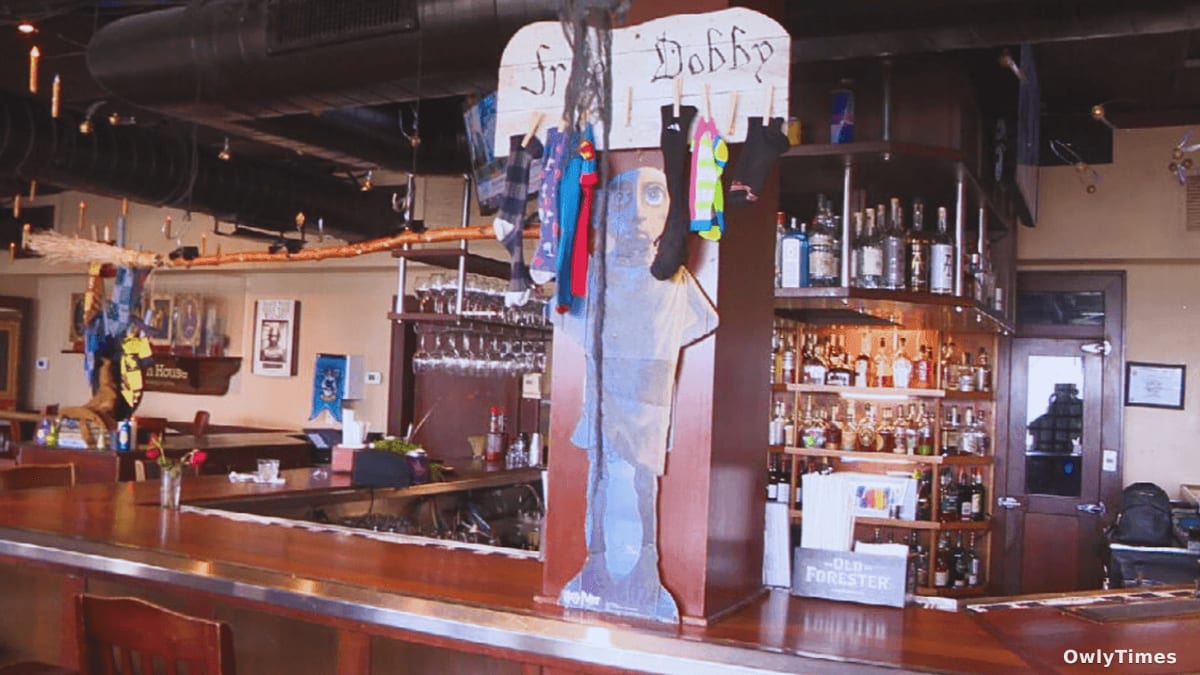
The Fish House’s partnership with Pensacon dates back to 2014, making their “Harry Potter Experience” a decade-long commitment. Taylor Dawson emphasizes the iterative nature of the transformation: “Every single year it's exciting to build off of the previous year… something more magical.” This sustained investment is significant. While the initial outlay for the Hogwarts transformation was substantial, the consistent upgrades and additions demonstrate a belief in the long-term return. The Fish House isn’t simply capitalizing on a fleeting trend; they’re building a destination. This is a smart move given that repeat visitors to Pensacon – a demographic The Fish House actively cultivates – spend, on average, 35% more than first-time attendees, according to Pensacon organizers. The “blood, sweat, and tears” Dawson mentions translate into a tangible competitive advantage.
Celebrity Sightings & The Halo Effect: Leveraging Pensacon’s Star Power
Both businesses benefit from an additional, often overlooked, perk: celebrity patronage. Taylor Dawson notes that The Fish House is a designated dining spot for Pensacon guests. This creates a “halo effect,” attracting fans hoping for a glimpse of their favorite actors and creators. While the specific celebrities visiting remain undisclosed, the potential for a celebrity sighting drives organic social media buzz and foot traffic. This is a form of free marketing with a potentially high ROI. Jeff Madsem at Azalea echoes this sentiment, urging patrons to “pay attention to social media” for potential guest appearances. This reliance on social media amplification underscores the importance of creating visually appealing, shareable experiences – the very foundation of both businesses’ Pensacon strategies.
What This Means for Your Wallet: The Rise of Experiential Spending
The success of Azalea and The Fish House isn’t isolated. It’s a microcosm of a larger economic shift. Consumers, particularly younger demographics, are prioritizing experiences over material possessions. This means businesses that can offer unique, immersive environments – even temporarily – are likely to thrive. Watch for increased investment in themed events and pop-up experiences in Pensacola and beyond. The question isn’t if other businesses will follow suit, but how creatively they can adapt. Will we see more bars transforming into fictional worlds, or will Pensacola businesses find new ways to leverage local history and culture to create equally compelling experiences? The next Pensacon will offer a crucial data point in answering that question.