
$25,000 and a Lot of Planning: The Emerging Economics of Family Air Travel
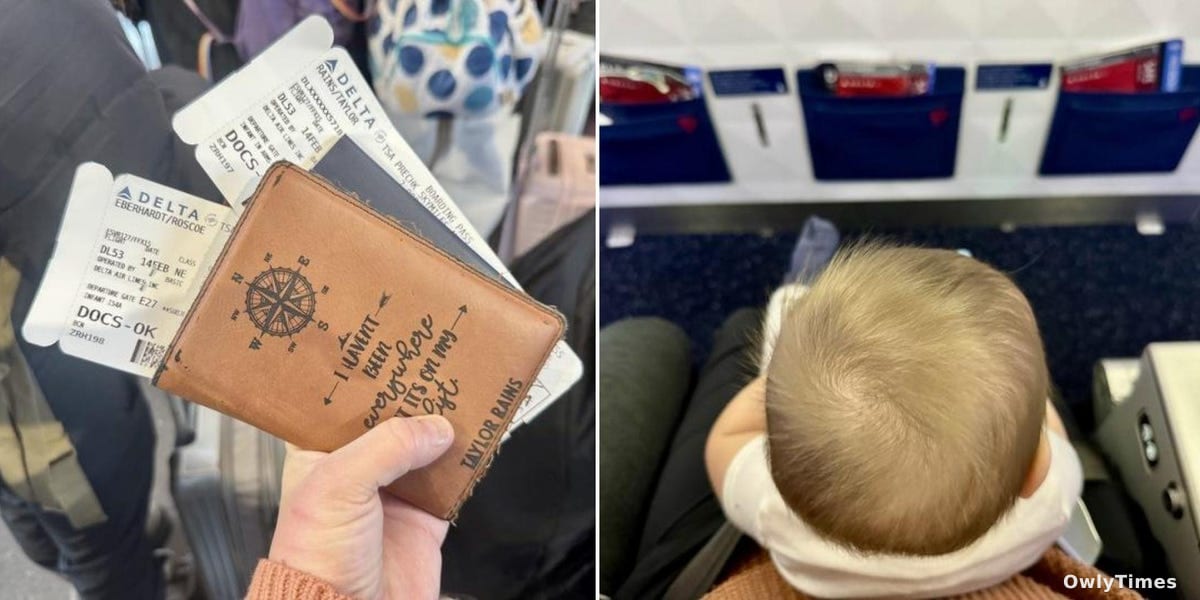
A family of four flying round-trip across the Atlantic now faces an average price tag of $25,000 in combined ticket costs, ancillary fees, and gear – a figure that underscores a rapidly shifting economic reality for traveling families. While the headline cost is substantial, a deeper look at the recent experience of Taylor Rains and her family reveals a complex interplay of airline policies, credit card benefits, and strategic planning that dictates whether that $25,000 feels like a reasonable investment or a prohibitive expense. Rains’ February journey with her nine-month-old son, Roscoe, from New York to Zurich on Delta Air Lines, offers a case study in navigating this new landscape.
Original reporting: Business Insider.
The initial outlay for Rains’ family of four was approximately $12,000 – $25,000 per person for a round-trip ticket, plus $68 in taxes and fees. This base fare, however, is only the starting point. The addition of Roscoe as a “lap infant” incurred a $17 fee, a standard 10% of the base fare plus taxes and fees for children under two. This seemingly small charge highlights a broader trend: airlines are increasingly monetizing every aspect of family travel, from baggage to seating. The $60 spent on protective bags for a stroller and car seat, both gate-checked at no additional charge, further illustrates this point. Without the Delta SkyMiles Gold credit card, which waived at least $300 in checked baggage fees, the total cost would have risen significantly. This demonstrates the growing importance of travel rewards programs in offsetting the rising costs of family air travel.
The Rains family’s experience also illuminates the hidden costs associated with logistical preparation. The hour spent meticulously weighing and rearranging checked bags to avoid excess baggage fees, while seemingly minor, represents a significant investment of time – a resource increasingly valuable to dual-income households. This time cost, coupled with the potential for unexpected expenses like replacement ear protection (forgotten in the car), underscores the need for meticulous planning. The Zurich airport experience, with its unusually long security lines and stricter rules, served as a stark reminder that even the most carefully laid plans can be disrupted, potentially adding to both financial and emotional costs. The near miss of their flight, despite arriving three hours early, suggests that a significantly larger buffer is now necessary, potentially requiring an additional night of accommodation.
The differential treatment based on expedited security access is particularly noteworthy. Rains’ access to TSA PreCheck, while a $78 annual fee per person, dramatically streamlined the security process at JFK, allowing her to navigate multiple bags and baby gear with relative ease. The contrasting experience in Zurich, lacking a dedicated family security line, highlights a critical infrastructure gap. The average wait time in security lines at major European airports has increased by 35% year-over-year, according to data from the Airports Council International, directly impacting traveler convenience and potentially leading to missed flights. This disparity in security infrastructure creates a two-tiered system, where those willing to pay for expedited services enjoy a significantly smoother travel experience.
Beyond the direct financial costs, the Rains’ experience reveals the value of proactive engagement with airlines. Securing a bulkhead seat, despite the absence of a bassinet, through direct communication with Delta provided crucial extra space, transforming a potentially stressful situation into a manageable one. This highlights a key takeaway: airlines are often willing to accommodate families, but it requires initiative and a willingness to advocate for one’s needs. The cabin crew’s subsequent offer of a full row of three seats on the return flight further reinforces this point.
What this means for your wallet: The Rains family’s journey isn’t an isolated incident. The economics of family air travel are becoming increasingly complex, demanding a strategic approach. Families should prioritize travel rewards programs, meticulously research airline policies regarding baggage and infant travel, and build in significant buffer time for potential disruptions. But the crucial question for the next year is whether airlines will address the infrastructure gaps – particularly in security – that disproportionately impact families, or if the cost of a smooth family vacation will continue to rise, effectively pricing many out of the market.