
If you think the current volatility in the Strait of Hormuz is just a geopolitical abstraction, try checking your next credit card statement or your local gas pump; the global economy is currently tethered to a handful of tankers, and that rope is fraying. The real story here isn't the specific tactical posturing between Washington and Tehran — it’s the fact that the entire global supply chain has become a high-stakes hostage situation where "negotiation" is being conducted simultaneously with bunker-buster bombs and back-channel diplomatic memos.
According to Fortune, U.S. airstrikes have entered a precarious pause after nearly two weeks of intense bombardment, a lull that diplomats are scrambling to turn into a lasting ceasefire. This shift follows reports from CBS News that the U.S. military is struggling to maintain its pace of precision munitions expenditure, a logistical bottleneck that experts warn cannot be sustained indefinitely. While U.S. Ambassador to the UN Mike Waltz publicly dismissed concerns regarding firepower as "nonsense," the underlying tension remains: the U.S. is attempting to force a return to the June interim agreement, while Iran continues to leverage its control over shipping routes to extract economic and strategic concessions.
The Chokepoint Economy
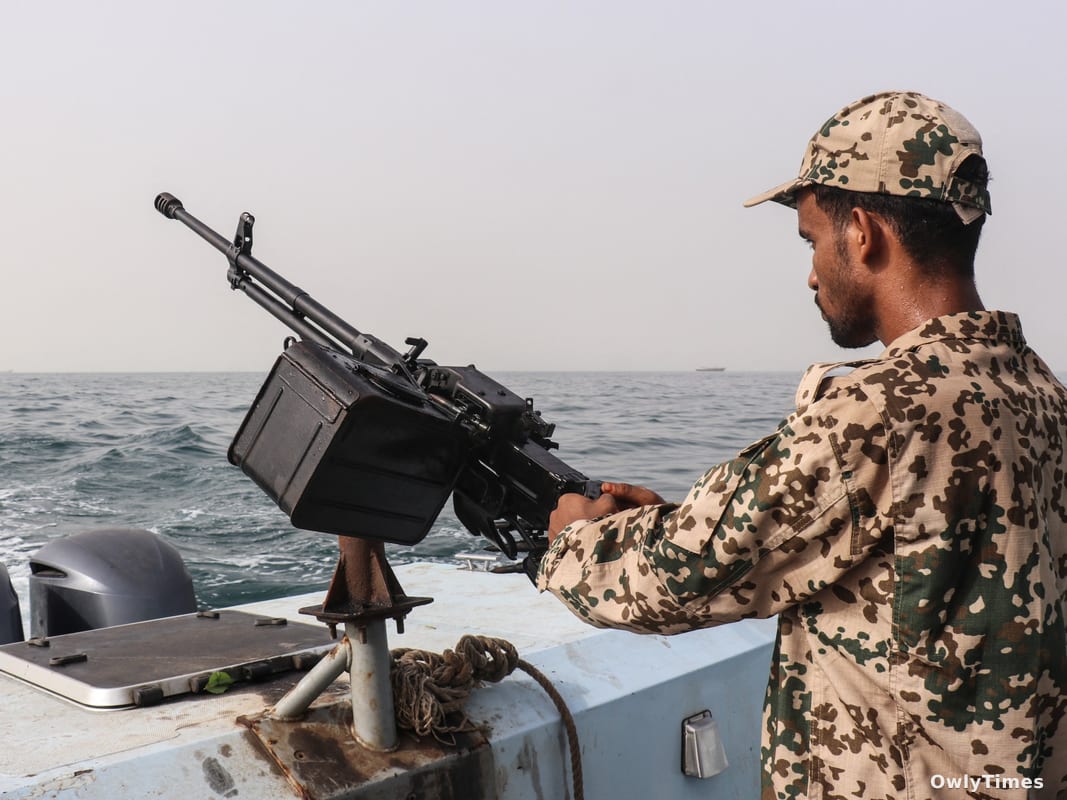
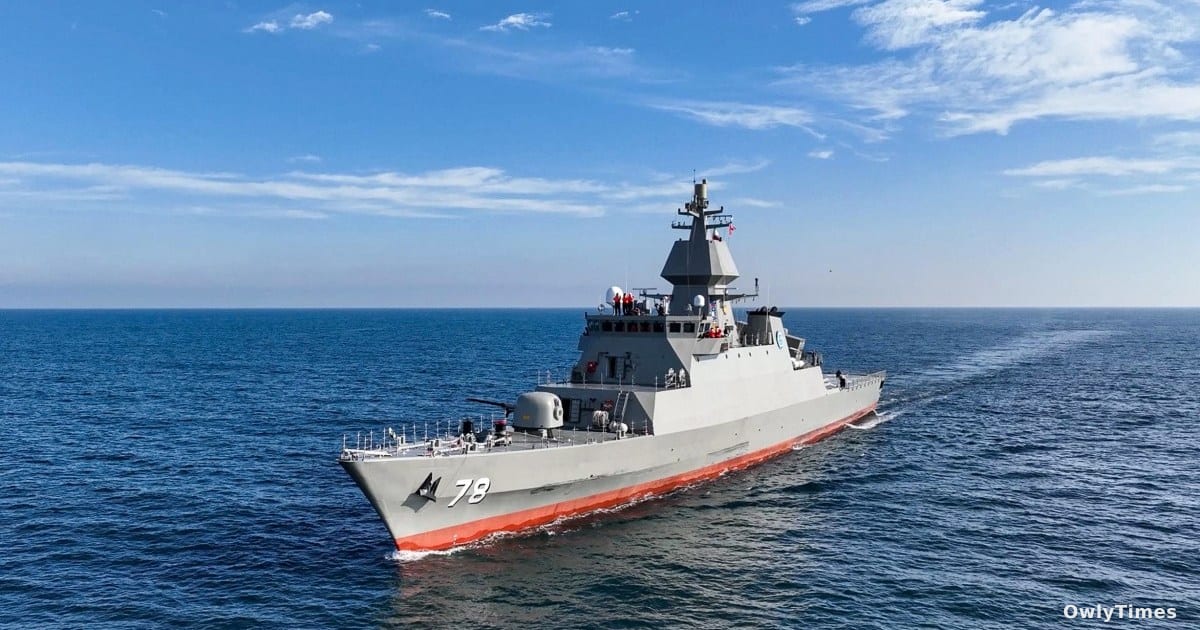
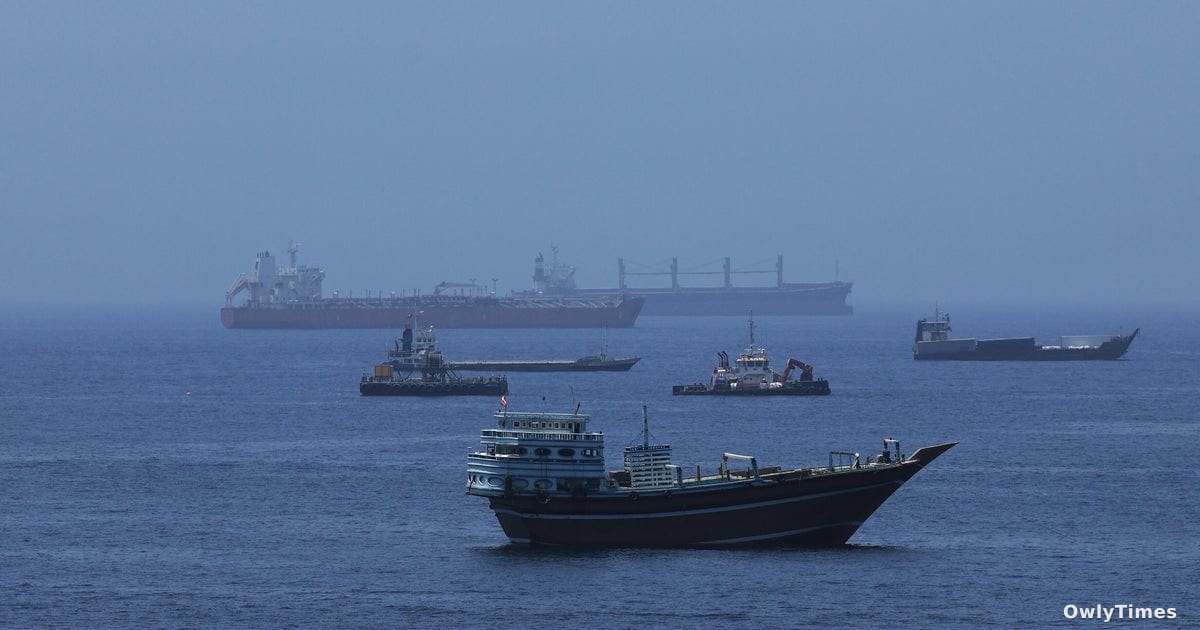
The friction point is the Strait of Hormuz, a narrow corridor through which 20% of the world’s oil typically flows, as noted by Fortune. The situation on the water is chaotic: The Independent reports that an oil tanker exploded after striking a mine on Sunday, allegedly after deviating from a route mandated by Iran. This follows a broader pattern of maritime insecurity; the U.S. Central Command confirmed it has redirected 12 commercial vessels and disabled two others to enforce a naval blockade that remains in "full effect."
For the average consumer, this translates to a persistent, grinding uncertainty. CBS News polling suggests the American public is increasingly frustrated, with a majority expecting the conflict to drag on for months or even years. This public sentiment is mirrored in the political arena, where Senator Bernie Sanders has criticized the administration’s emergency request for $67 billion in defense funding, arguing that those resources are being diverted from domestic needs like housing and healthcare.
A Shifting Regional Map
The diplomatic landscape is evolving as rapidly as the battlefield. CBS News reports that Kuwait and Pakistan have formally signed a strategic defense agreement, highlighting a trend where Gulf states are diversifying their security portfolios away from traditional reliance on the U.S. Meanwhile, The Independent notes that Iranian Oil Minister Mohsen Paknejad claims the country managed to sell $18 billion in oil during the war and ceasefire, a figure that underscores how Iran is finding ways to monetize its position despite international pressure.
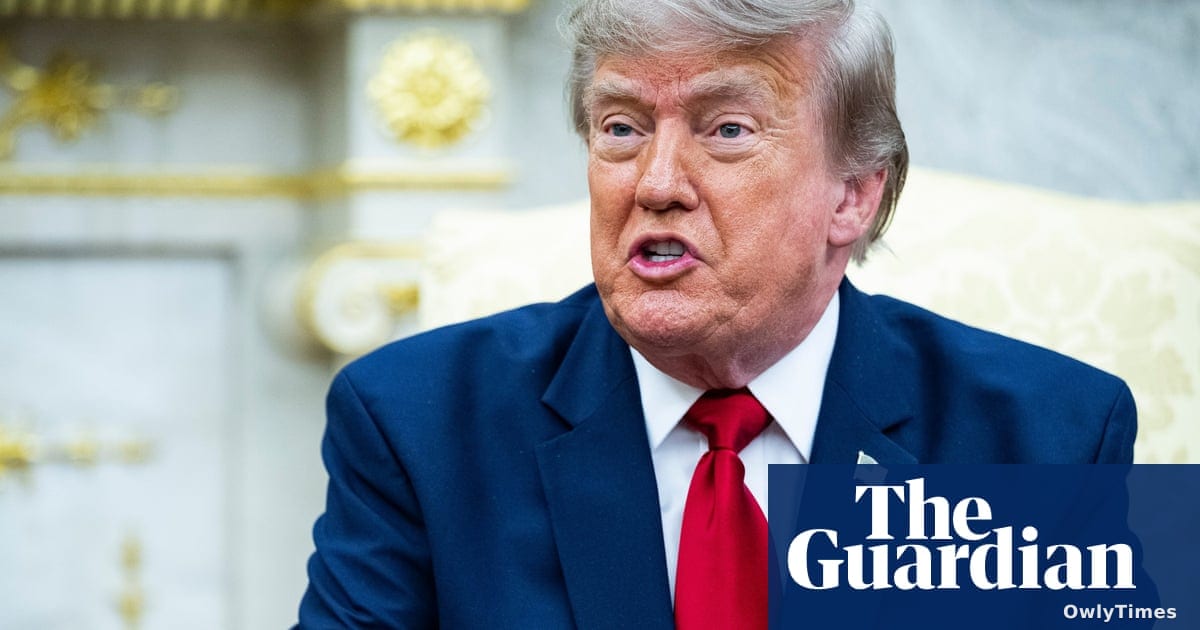
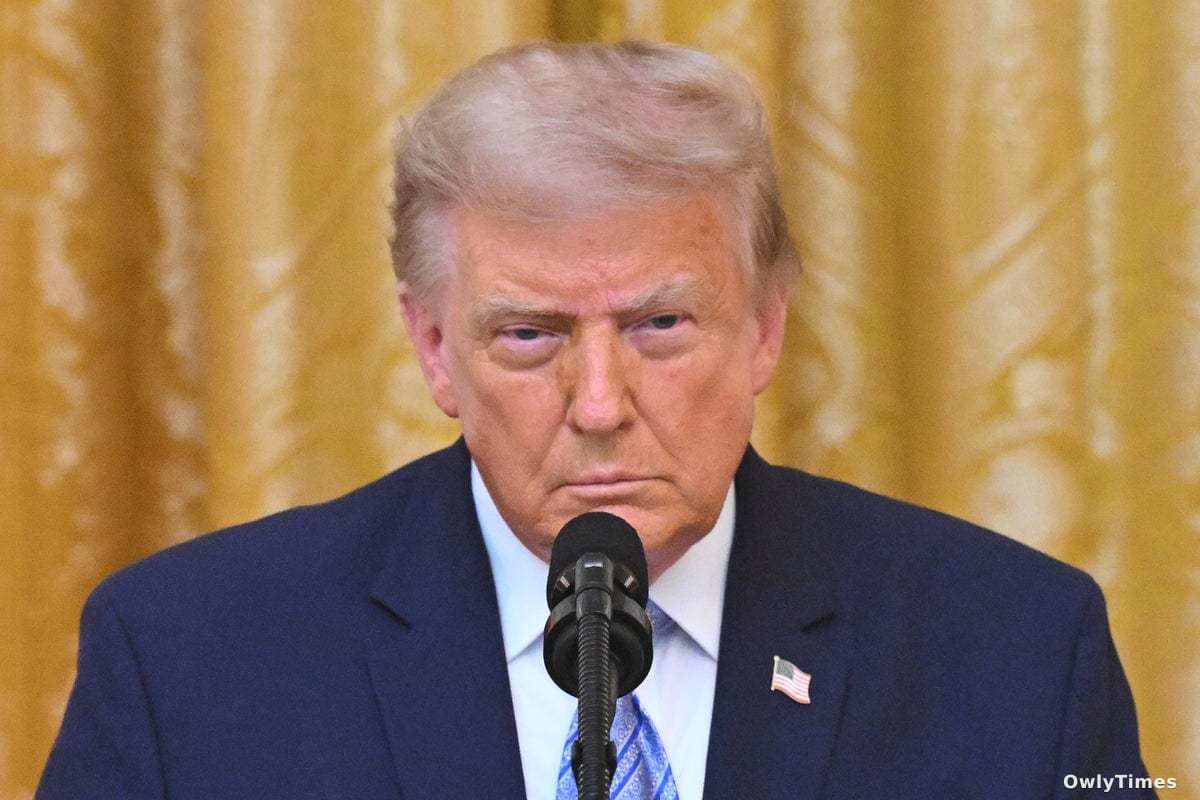
The immediate future of this conflict hinges on a high-stakes meeting scheduled for Monday. As reported by The Independent and corroborated by Fortune, Israeli Prime Minister Benjamin Netanyahu is traveling to Washington to consult with President Donald Trump. The outcome of these talks will serve as the next major indicator of whether this "operational pause" leads to a de-escalation or a return to total conflict. If the diplomatic efforts fail to secure a stable equilibrium for vessel transit, expect the volatility in energy prices to move from a "risky forecast" to a permanent fixture of the quarterly budget for households worldwide.