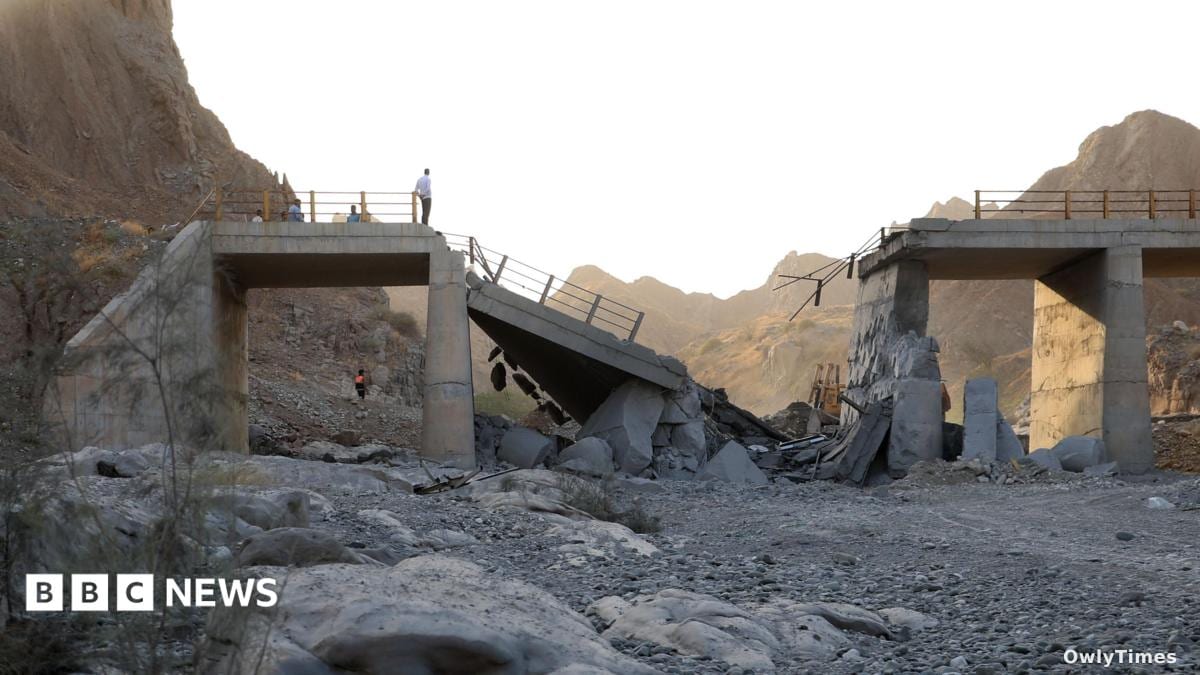

A 4.66% single-day retreat in Brent crude prices to $92.27 per barrel, coupled with a 5.02% decline in West Texas Intermediate (WTI) to $84.83, signals a cooling of energy markets as the U.S. and Iran pause a bombardment campaign that has paralyzed global shipping lanes for months. According to Euronews, this retracement comes after Brent crude hit a peak of $102 just last week—a $30 premium over early-month valuations. While Fortune reports slightly deeper dips for the same contracts, with Brent settling at $91.70 and U.S. oil at $84.45, the consensus among analysts is that the cessation of hostilities is providing a critical window for diplomatic efforts to reopen the Strait of Hormuz.
Following the Money: The Chokepoint Crisis
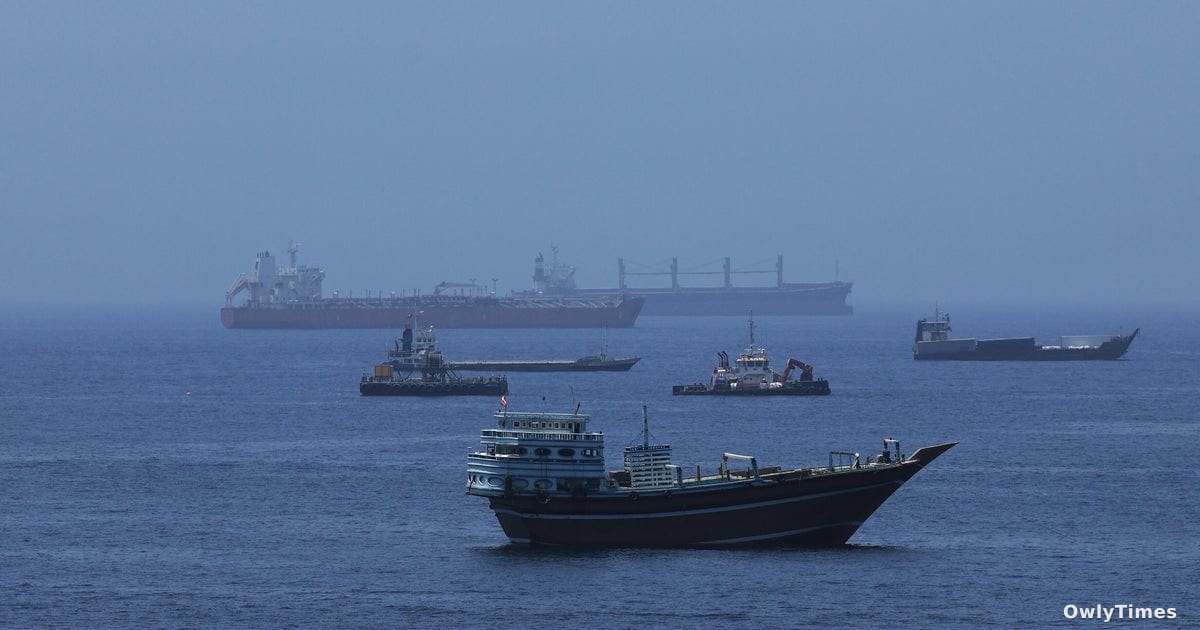
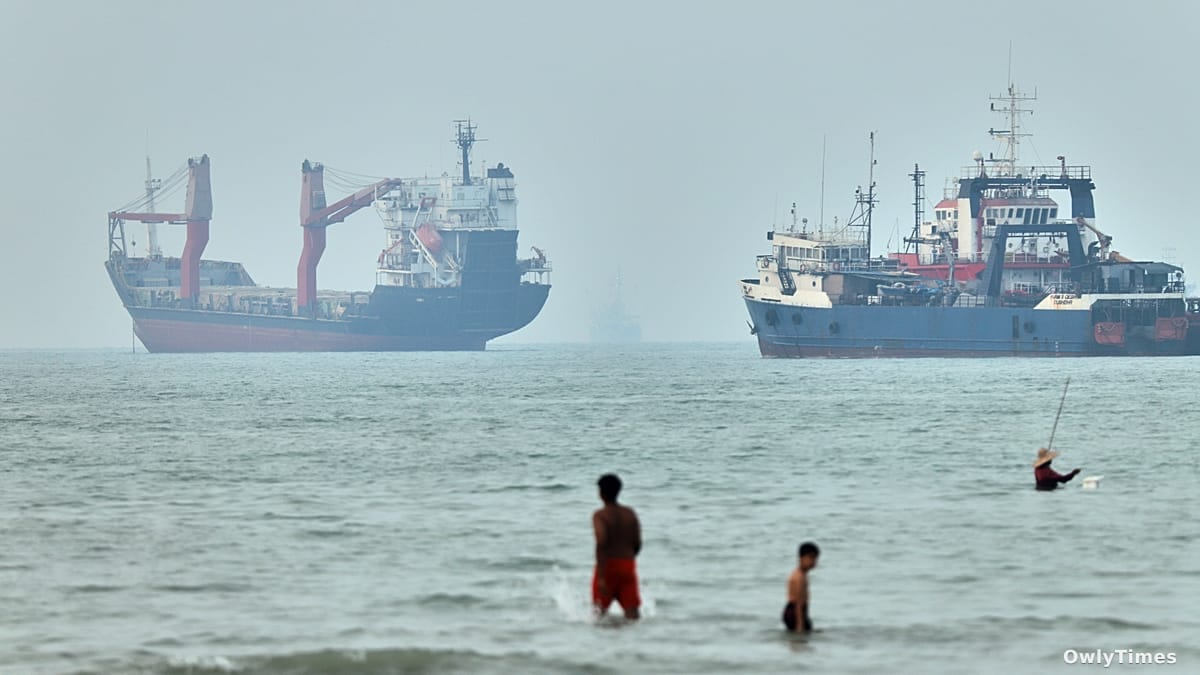
The financial stakes of this conflict are rooted in the physical vulnerability of the Strait of Hormuz, a conduit for approximately 20% of the world’s oil. Despite the Trump administration’s repeated public assertions that the waterway remains open, CBS News reports that the Joint Maritime Information Center in Bahrain observed commercial traffic drop to a three-week low on Tuesday. Shipping executives, such as Dimitris Maniatis, CEO of Greek maritime risk management firm Marisks, contend that while the route is physically navigable, large international merchant vessels have essentially ceased transit due to the extreme risk of Iranian strikes. The human and financial toll is documented by the U.N.’s International Maritime Organization, which reports at least 17 mariner deaths across 61 separate attacks since the U.S. and Israel initiated joint military operations in late February.
Strategic Stalemate and Diplomatic Shifts
The tactical pause in fighting follows reports that the current military strategy has reached a point of diminishing returns. Fortune cites internal warnings from Adm. Brad Cooper of Central Command, who cautioned that the bombing campaign had lost its effectiveness, and Gen. Dan Caine, Chairman of the Joint Chiefs of Staff, who warned that further escalation would deplete U.S. interceptor stockpiles to dangerous levels. As the U.S. reassesses, CBS News notes that Iran is simultaneously engaging in talks with Oman regarding a potential deal to allow vessel transit with fewer restrictions. This uncertainty is compounded by the expansion of the conflict into the Red Sea, where Houthi rebels have threatened to blockade energy exports from Saudi Arabia, a move that prompted at least five commercial vessels to turn back on Tuesday.
Investor Implications: Inflation and Interest Rates
The volatility in the energy sector is now forcing a recalibration of Federal Reserve expectations. Euronews highlights that the recent surge in oil prices has dampened earlier optimism regarding slowing inflation, with traders now pricing in a 36% probability of an interest rate hike at the upcoming Federal Reserve policy meeting. While stock futures responded positively to the diplomatic pause—with Dow futures surging 337 points and Nasdaq futures jumping 1.28% according to Fortune—the broader market remains tethered to these energy fluctuations.
What This Means for Your Wallet
For investors and consumers, the primary trigger to monitor is the outcome of the Federal Reserve’s policy meeting this coming week. While the recent cooling in oil prices provides temporary relief, the durability of these gains depends on whether the U.S.-Iran diplomatic pause holds or collapses back into conflict. If negotiations fail to secure the Strait of Hormuz, the persistent risk premium on energy will likely force the Federal Reserve to maintain a hawkish stance, potentially increasing borrowing costs for both consumers and businesses. Conversely, a successful diplomatic resolution would lower energy-driven inflationary pressures, potentially easing the Fed’s path toward a more stable interest rate environment.