
Is the global economy currently being held hostage by a handful of shipping lanes and a geopolitical game of chicken that’s far more fragile than your local gas station prices suggest? While the headlines are obsessed with the daily back-and-forth of missile strikes and diplomatic posturing, the real story here isn't the specific volume of munitions dropped—it’s the terrifying realization that the world’s "just-in-time" supply chain is being strangled by two narrow bottlenecks simultaneously.
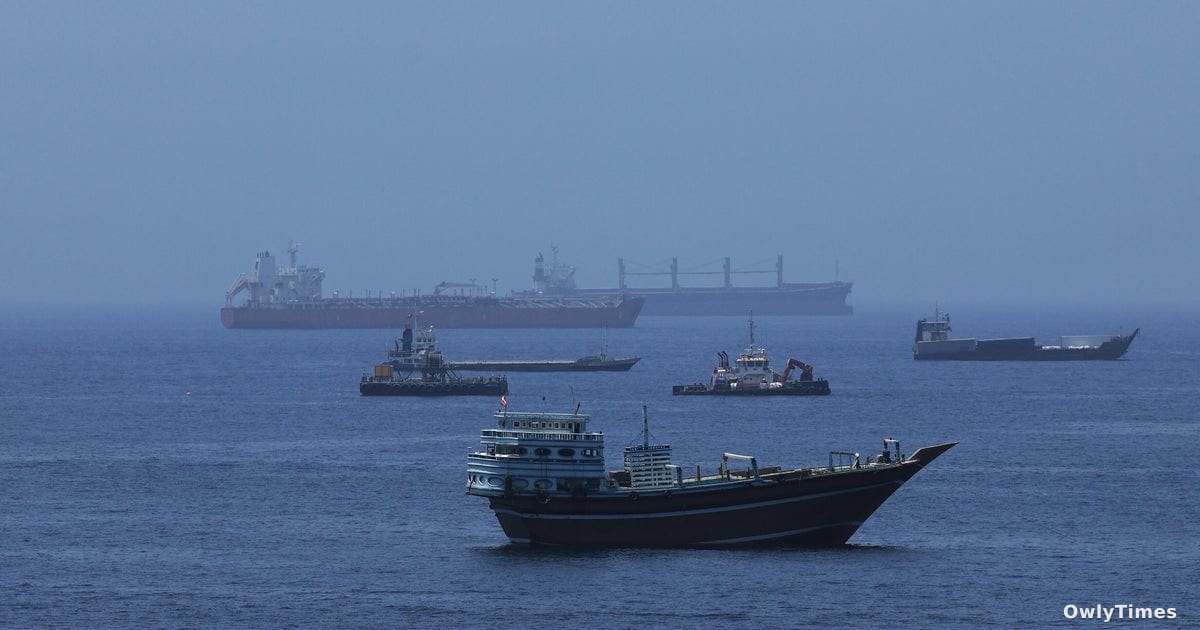
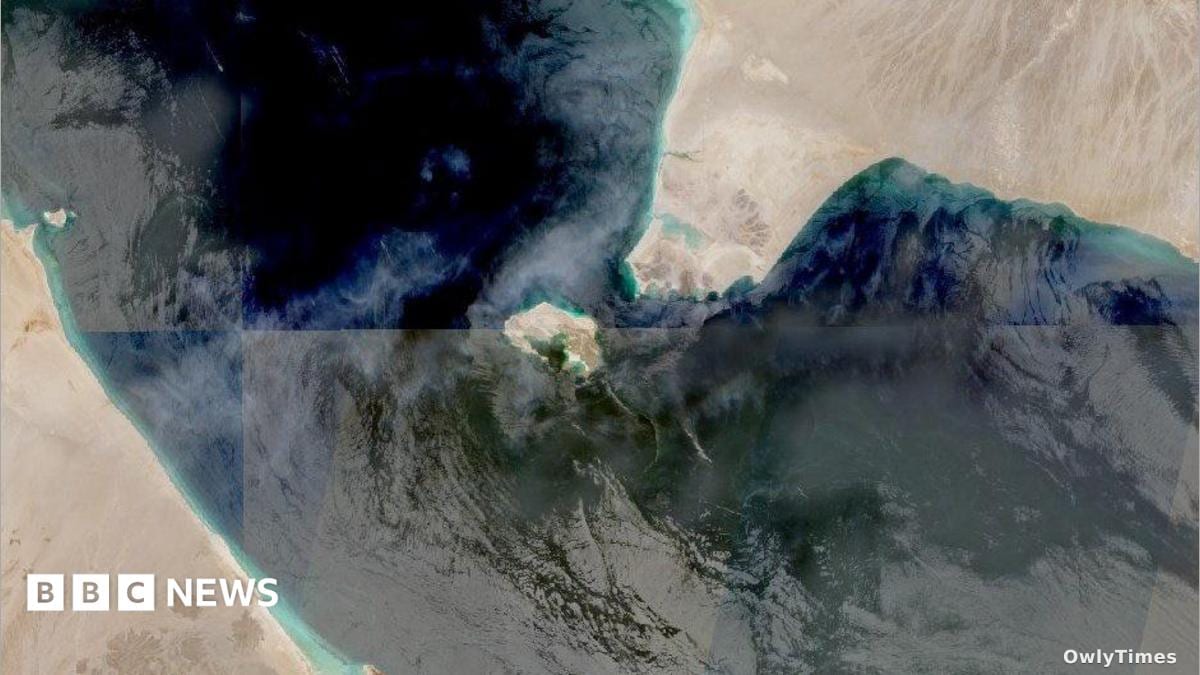
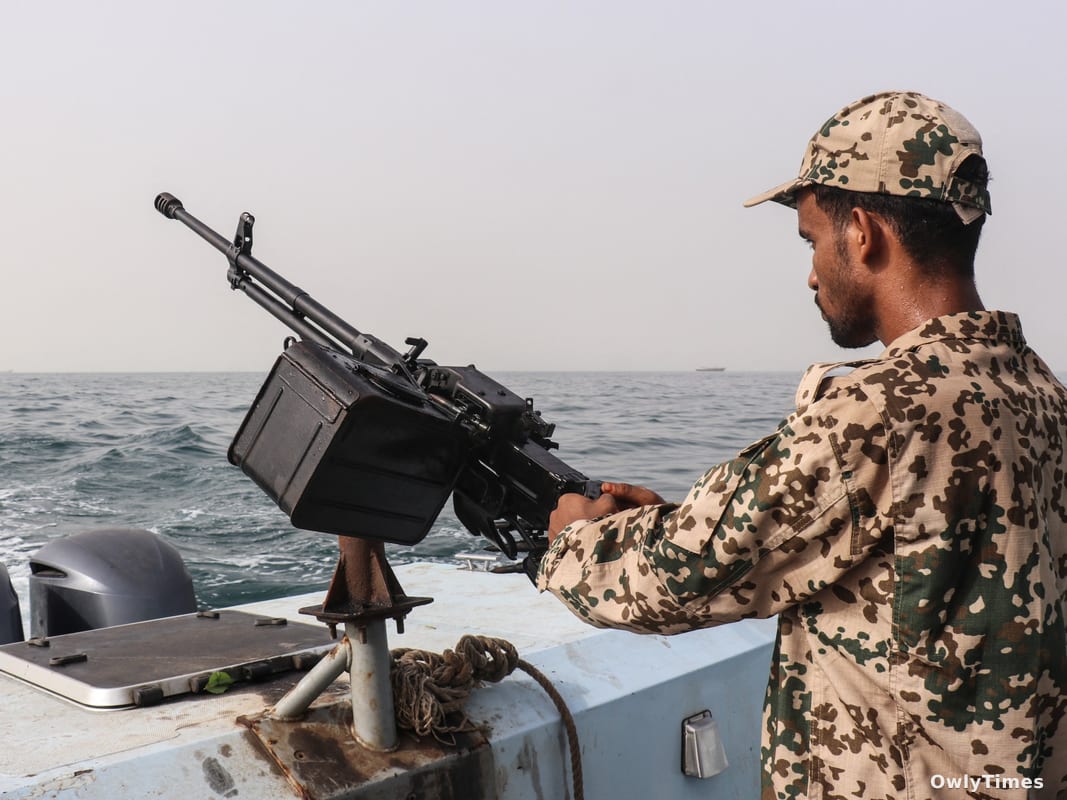
The BBC and Al Jazeera confirm that Yemen’s Houthi movement is explicitly attempting to replicate Iran’s strategy in the Strait of Hormuz by exerting control over the Bab al-Mandeb Strait. According to Afrah al-Zouba, foreign minister-designate for Yemen’s internationally recognized government, the Houthis aim to "copy the Iranian model," potentially locking down the two primary maritime arteries of the global energy market. This isn't just regional posturing; it’s a direct threat to the 30% of global container traffic and 12% to 15% of total global trade that relies on the Red Sea route, as reported by Al Jazeera.
The Illusion of a Ceasefire
The current volatility in energy markets reflects a market desperate for stability but receiving only "questionable mini-ceasefires," as John Evans, an analyst at PVM, told The Guardian. Following a two-week streak of U.S. air strikes on Iran—a campaign that Fortune notes broke after Donald Trump opted to hold off on new plans—Brent crude prices saw a sharp 9% drop on Monday. However, this dip from the $100-a-barrel threshold appears to be a reaction to the mere pause in hostilities rather than a resolution of the underlying threat.
While The Guardian highlights that the U.S. ambassador to the UN, Mike Waltz, cited a need for diplomacy, Fortune provides a more pragmatic, if not cynical, look at the military side: sources indicate the bombing campaign had simply reached the limits of its effectiveness, with munitions stocks dwindling. Whether this pause is a strategic pivot or a logistical necessity remains the multibillion-dollar question for investors and consumers alike.
Why Your Wallet Feels the Pinch
For the ordinary user, this isn't just about the price of a gallon of gas; it’s about the specter of sustained inflation. Deutsche Bank analysts, led by Jim Reid, warned via The Guardian that the recent 10% spike in Brent crude has reignited fears of a prolonged inflation shock. This forces central banks into a corner: hike interest rates to combat rising energy costs, or risk a recession by stifling economic growth. Even as UK 10-year government bond yields dipped below 5% following the oil price drop, the underlying anxiety remains palpable.
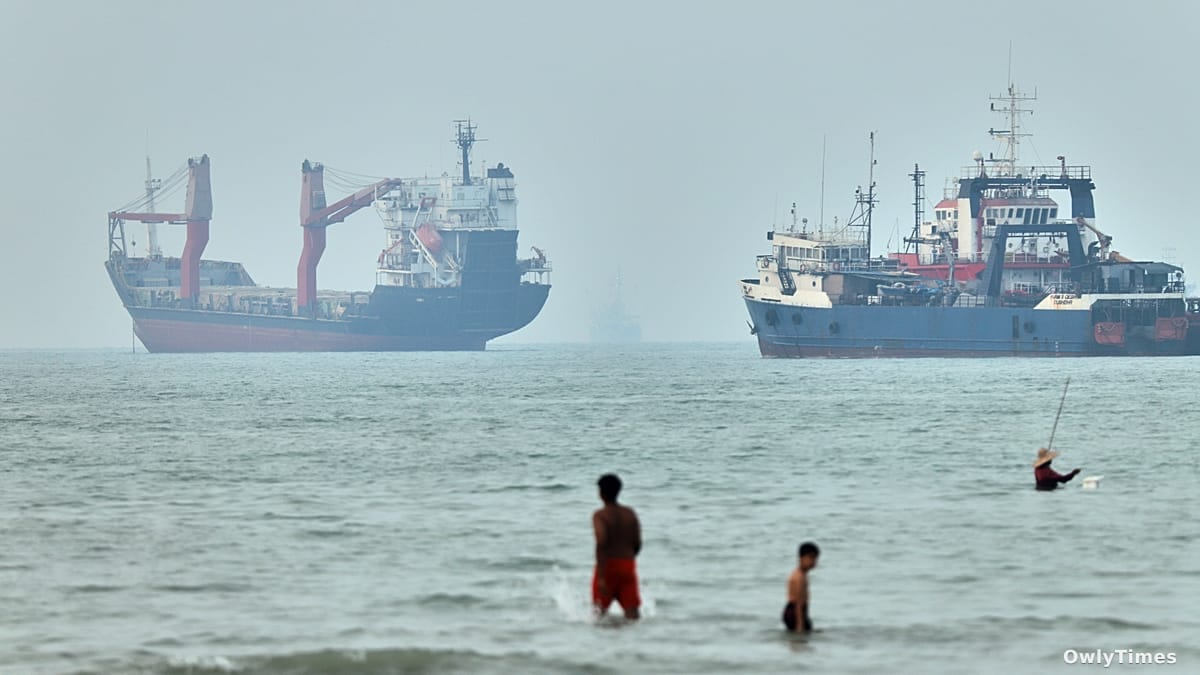
The situation on the ground in Yemen underscores just how precarious this becomes for the average person. Al Jazeera reports that only 11 commodity vessels passed through the Red Sea on Sunday, a stark decline that signals a breakdown in the flow of goods. When ships stop moving, prices for everything—from electronics to food—eventually climb as supply chains are forced into longer, more expensive routes.
The Next Domino
The immediate future hinges on whether the current diplomatic maneuvering succeeds where military force has stalled. Fortune reports that Omani officials are actively negotiating an arrangement that could potentially reopen the Strait of Hormuz. If such a deal is reached without U.S. participation, we are looking at a fundamental shift in regional power dynamics where Iran asserts authority over the waterway, potentially imposing fees on all passing traffic.
Watch the upcoming negotiations closely; if a Hormuz deal is formalized this weekend, the real test will be whether the U.S. chooses to sanction the arrangement or accept a new, more restricted reality for global maritime commerce.