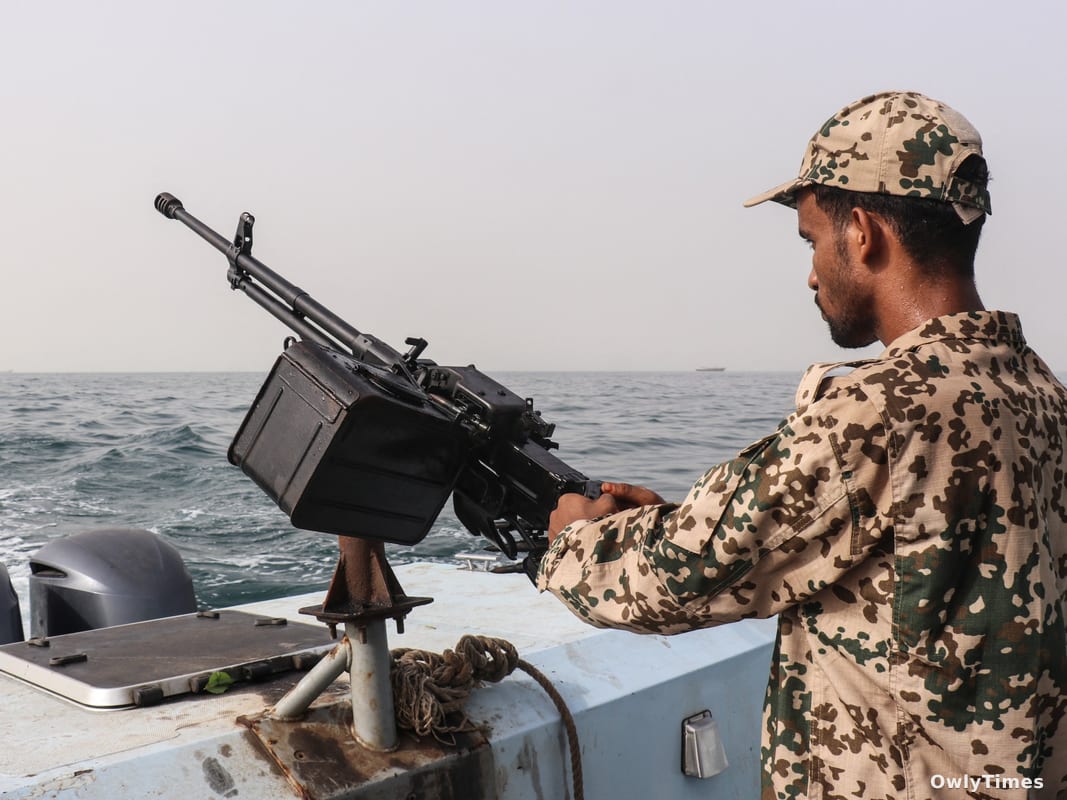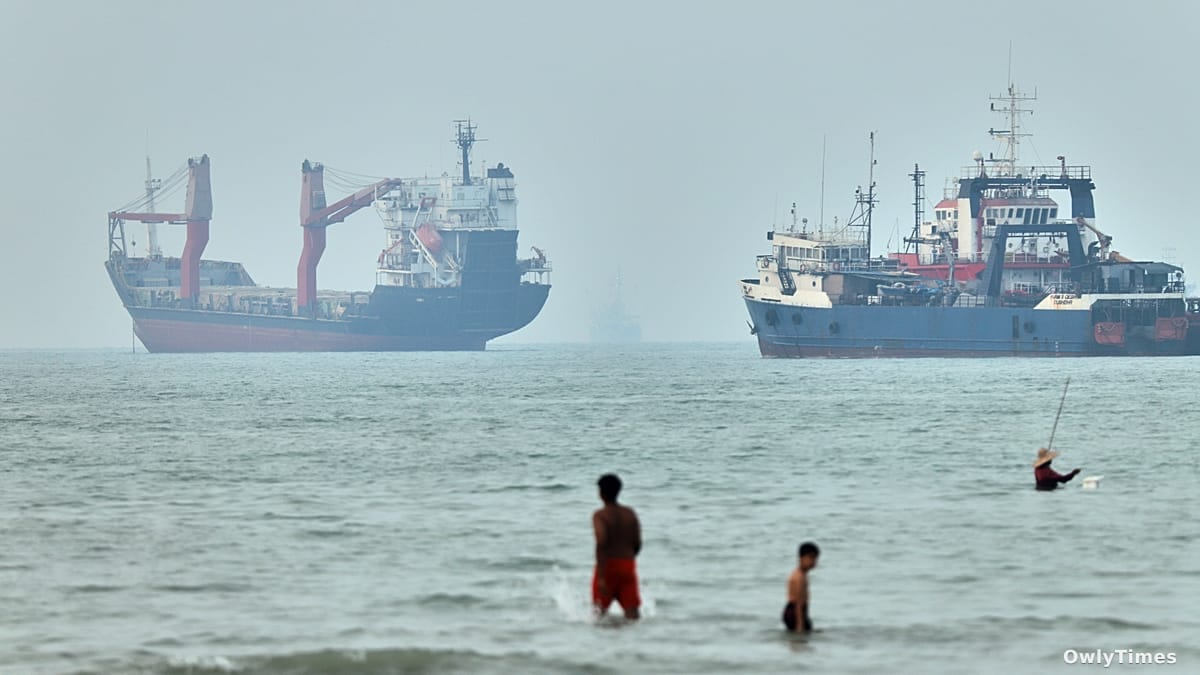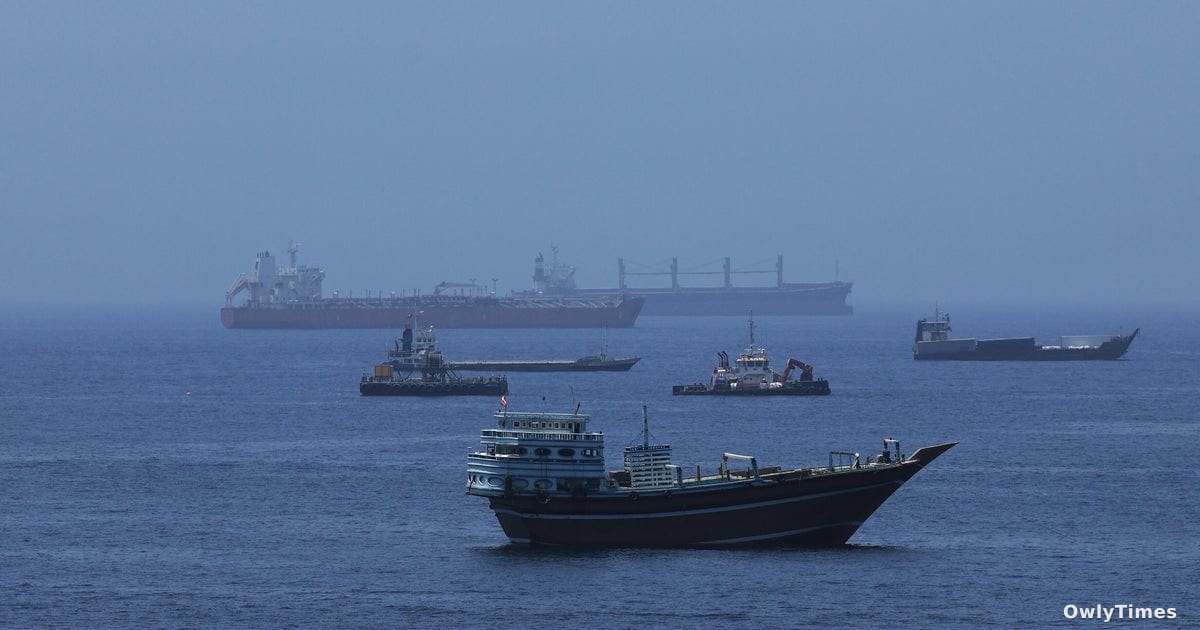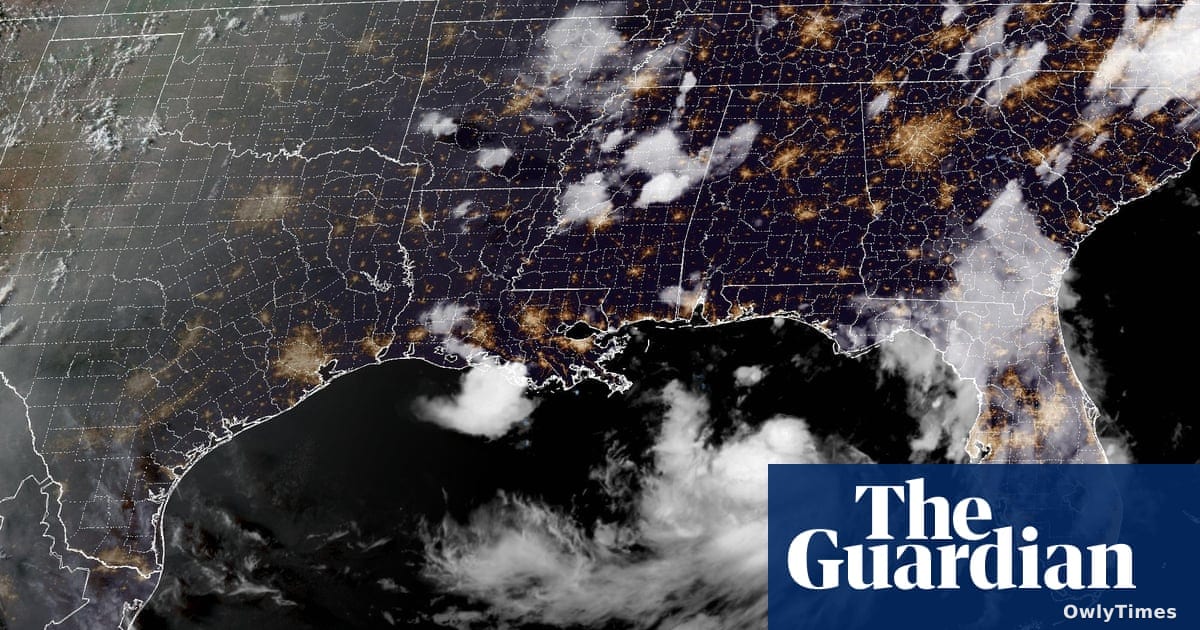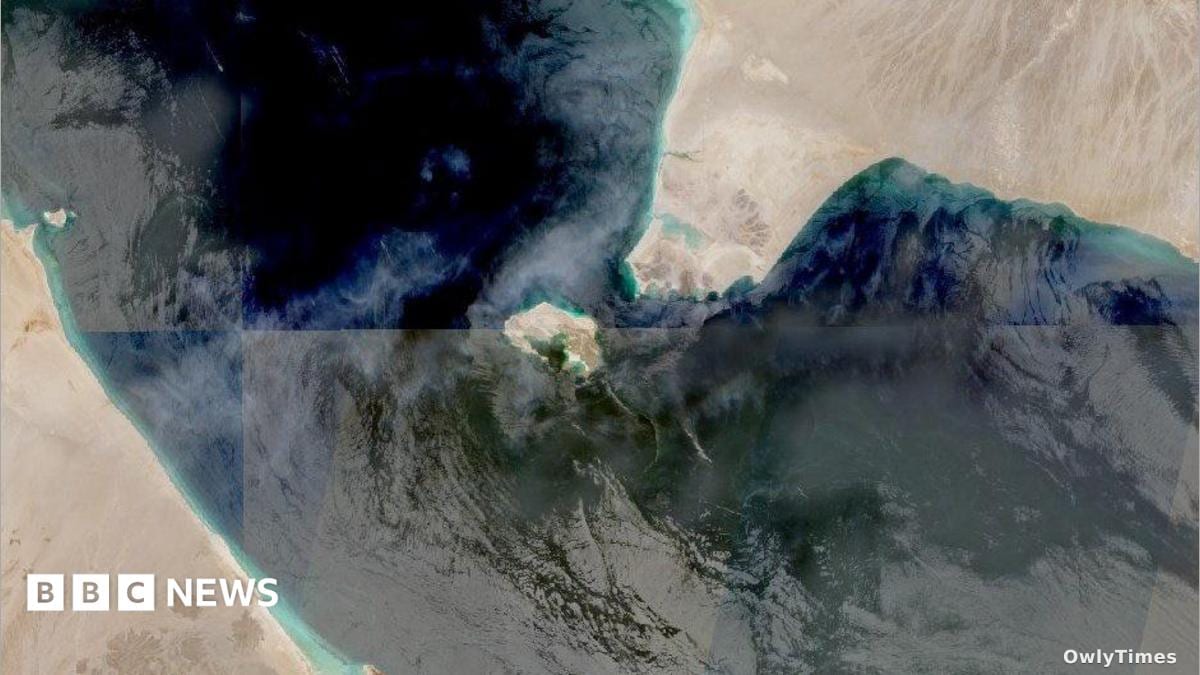

$100 per barrel is the threshold Brent Crude breached this past Thursday, a direct market reflection of the widening maritime blockade that now threatens two of the world’s most critical energy chokepoints. As the United States and Iran trade air strikes for the 14th consecutive day, the conflict has expanded from the Strait of Hormuz to the Bab el-Mandeb Strait, effectively doubling the geopolitical risk to global supply chains.
Follow the money and you will find that the escalating instability is forcing a fundamental, multi-billion-dollar restructuring of energy logistics. According to CBS News, Gulf producers are accelerating at least seven major pipeline projects designed to bypass the Strait of Hormuz, through which approximately 15 million barrels of oil flowed daily before the current hostilities. While the Saudi East-West pipeline remains a vital artery, the BBC reports that Houthi rebels have begun targeting tankers exiting these terminals, undermining the very bypasses intended to mitigate risk.
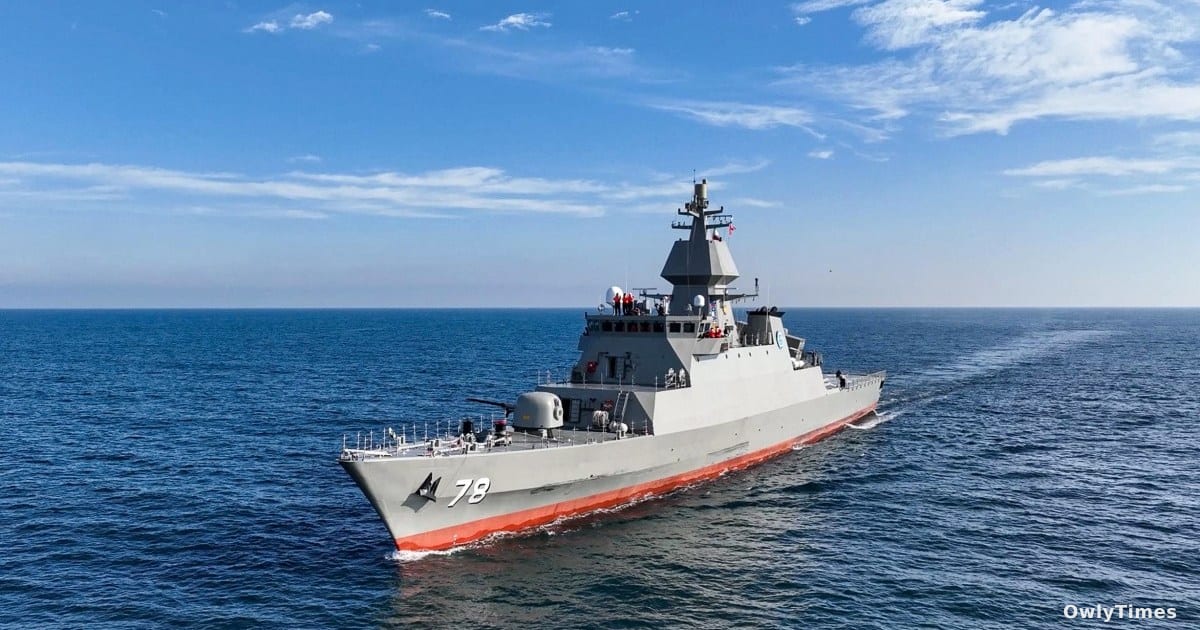
The military situation remains fluid and high-stakes. The Guardian reports that U.S. Central Command confirmed strikes on Iranian military command centers and maritime capabilities, while The Independent notes that Iran retaliated by targeting U.S. military installations in Kuwait, Bahrain, Jordan, and Iraq. Conflicting reports regarding the human toll persist; while Al Jazeera cites Iran’s Health Ministry claiming at least 55 deaths and 650 injuries from U.S. strikes, there has been no official U.S. confirmation of the specific damage to facilities or personnel reported by Iranian state media.
Diplomatic efforts are currently caught in a cycle of denial and rejection. Al Jazeera reports that an Omani delegation has arrived in Tehran to discuss navigation management, a move the U.S. and Gulf states have historically resisted. Meanwhile, The Guardian highlights that Iran has pushed back against earlier reports—originally surfaced by the New York Times—suggesting that Tehran rejected a specific U.S. ceasefire proposal presented by the Iraqi prime minister.
For investors and consumers, the volatility is unlikely to abate in the short term. CBS News analysts at Goldman Sachs estimate that new pipeline infrastructure could eventually allow 60% of pre-war Gulf exports to bypass Hormuz, but these projects face completion timelines extending into late 2027 or 2028. Until these alternatives come online, the global economy remains tethered to the security of these two straits. Watch the upcoming status of the Fujairah pipeline construction as a primary indicator of market confidence; any further disruption to these "critical energy corridors" will likely force an immediate, upward revision in energy premiums at the pump.