
$15.4 Billion Hangs in the Balance: Why Berkshire’s Kraft Heinz Patience Matters
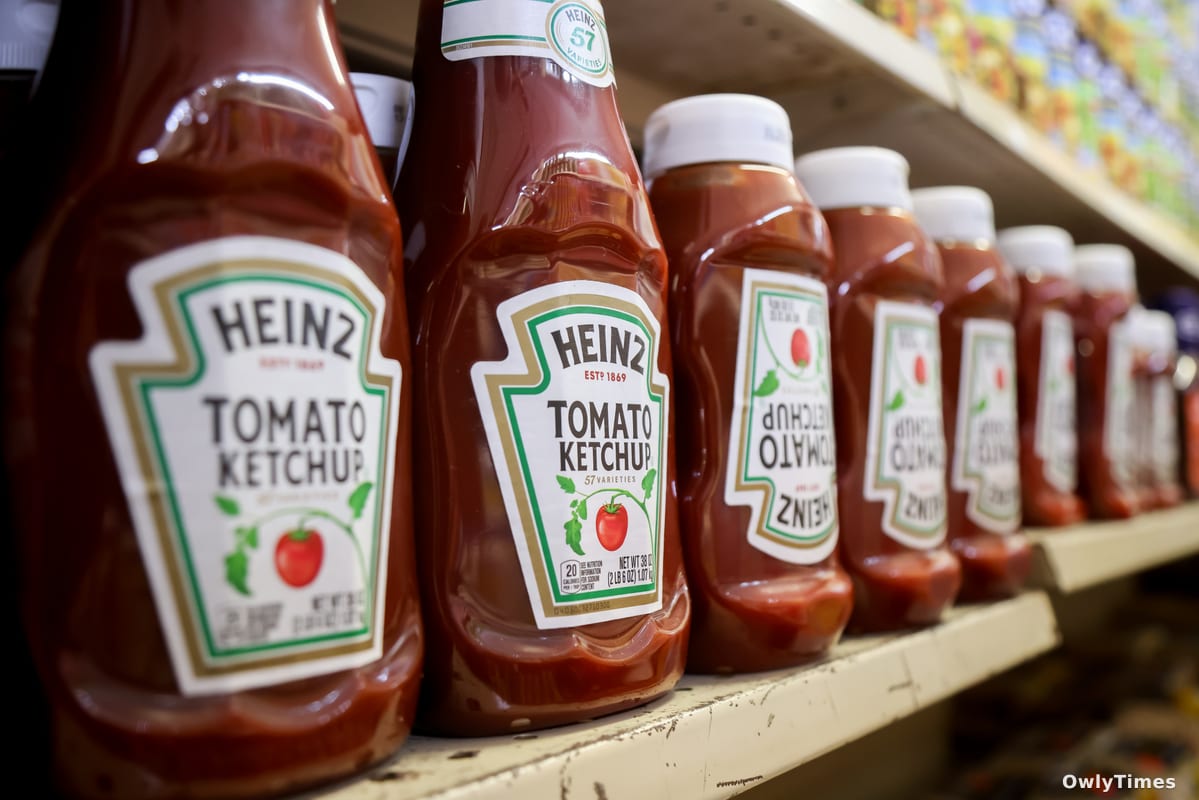
$15.4 billion. That’s the current market capitalization of Kraft Heinz (KHC) as of today, March 5, 2026, and the figure that underscores why Warren Buffett’s Berkshire Hathaway’s (BRK.A) continued holding isn’t simply a matter of loyalty – it’s a calculated bet on a consumer packaged goods (CPG) sector undergoing a seismic shift. While speculation about Berkshire trimming its stake in the food giant has swirled for years, particularly after the disastrous 2019 write-down, recent statements indicate a surprising level of patience. This isn’t about clinging to a past investment; it’s about recognizing the potential for a turnaround fueled by strategic pricing and a recalibration of consumer demand, and the implications are far-reaching for the entire CPG landscape.
The Weight of History and the Burden of Expectations
Berkshire first invested heavily in Kraft Heinz in 2015, alongside 3G Capital, in a deal valued at $55 billion. The initial premise – cost-cutting and aggressive efficiency gains – quickly ran into headwinds. Consumer preferences shifted towards fresher, healthier options, and the company struggled to innovate beyond its core brands. The subsequent $15.4 billion write-down in 2019, triggered by declining Kraft and Oscar Mayer brand values, sent shockwaves through the market and raised serious questions about the viability of the 3G model. Year-over-year comparisons since then have been brutal; 2023 saw a modest 1.2% revenue increase, a far cry from the double-digit growth enjoyed by competitors like Nestlé (NSRGY) and Unilever (UL) who invested earlier in premiumization and direct-to-consumer channels. The expectation, for years, was that Buffett would quietly exit, minimizing further losses.
See the original chicagobusiness.com story for the full account.
A Shift in Strategy: Pricing Power and Portfolio Refinement
However, Kraft Heinz appears to be adapting. The company has demonstrably focused on strategic price increases, leveraging its scale to offset inflationary pressures and maintain margins. In the fourth quarter of 2025, pricing contributed 4.3% to net sales, exceeding volume declines of 2.1%. This suggests a growing ability to pass costs onto consumers, a critical indicator of brand strength in a competitive market. Simultaneously, Kraft Heinz is actively streamlining its portfolio, divesting slower-growing brands and investing in higher-margin categories like sauces and frozen meals. The recent acquisition of Primal Kitchen, a maker of paleo-friendly condiments, for an undisclosed sum, signals a deliberate move towards capturing a segment of the health-conscious consumer base. This isn’t the aggressive cost-cutting of the past; it’s a more nuanced approach focused on value creation through targeted investments.
Follow the Money: Berkshire’s Signal to the Market
Berkshire Hathaway’s decision to hold isn’t solely based on Kraft Heinz’s internal improvements. It’s a signal to the broader market about the enduring value of established CPG brands, even in a disrupted landscape. While smaller, agile brands continue to gain traction, the sheer scale and distribution network of companies like Kraft Heinz remain formidable advantages. Buffett understands this, and his continued investment suggests he believes the market is undervaluing these assets. Furthermore, Berkshire’s cash position – exceeding $167 billion at the end of 2025 – allows it to weather potential setbacks and benefit from a long-term recovery. The alternative – a forced sale of a large block of shares – could depress the stock price further, triggering a cascading effect across the sector.
What This Means for Your Wallet
The implications for consumers are twofold. First, expect continued price increases on staple CPG products, as companies like Kraft Heinz prioritize margin protection. The days of consistently low prices on processed foods are likely over. Second, watch for increased innovation in the premium and health-focused segments. Kraft Heinz’s pivot towards brands like Primal Kitchen is a harbinger of things to come, as major players attempt to capture the growing demand for healthier, more sustainable options. The key question now is whether Kraft Heinz can successfully navigate this transition and demonstrate sustained organic growth, or if Berkshire Hathaway’s patience will ultimately be tested beyond its limits. Will the next earnings report show a continued trend of pricing power outweighing volume declines, or will the company be forced to revisit its strategy? That’s the metric to watch.