
Beyond the Scale: What a Blue Whale Exhibit Reveals About Conservation Science
The arrival of the “Blue Whale Story” exhibition at the St. Louis Science Center this May isn’t simply about showcasing the largest animal on Earth; it’s a case study in how tragedy can unexpectedly advance scientific understanding, and a pointed reminder of the precariousness of even seemingly resilient species. While headlines focus on the 80-foot replica and immersive soundscapes, the exhibit’s true value lies in the rare opportunity it presents to examine the biology of blue whales informed by direct observation – a consequence of a heartbreaking event off the coast of Newfoundland in 2014. It’s a shift from speculation to data, and a crucial moment to consider how we translate that data into effective conservation strategies.
Based on the original Spectrum News report.
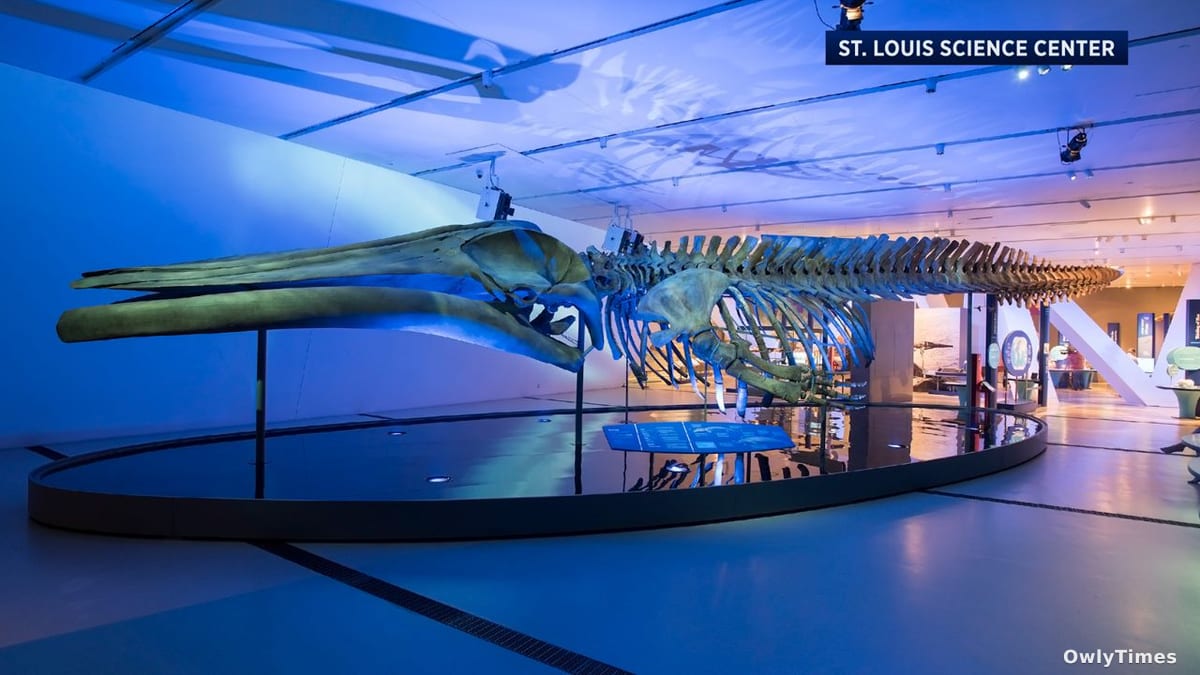
The story centers on nine blue whales trapped by unusually thick sea ice. While most were able to escape, two perished, providing scientists with an unprecedented chance to study these giants. As Dr. Ray Vandiver, Science Center President and CEO, notes, the exhibition “reveals the immense scale, critical vulnerability and majestic beauty of blue whales.” But the exhibit doesn’t shy away from the ‘vulnerability’ part. The whales’ plight wasn’t a natural disaster in the traditional sense; it was a consequence of changing climate patterns, a subtle but significant point often lost in broader discussions about environmental threats. The exhibit, originating from the Royal Ontario Museum, meticulously details the whales’ anatomy – a life-size heart model alongside those of other animals offers a visceral comparison – and feeding behaviors, all contextualized by the circumstances of their entrapment.
The interactive elements, like the “License to Krill” game, are cleverly designed to illustrate the energetic demands of these massive creatures. Blue whales consume an astonishing amount of krill – up to 40 million krill a day – and the game simulates the challenges of finding and capturing enough food to survive. This isn’t just entertainment; it’s a demonstration of the delicate balance within the marine ecosystem. The exhibit also addresses the historical impact of commercial whaling, which decimated blue whale populations in the 1800s and 1900s. While populations have been slowly recovering since the international moratorium on whaling in 1966, the species remains endangered, with an estimated global population of only 10,000-25,000 individuals. This recovery, however, is not uniform, and regional populations face unique threats, including ship strikes and entanglement in fishing gear.
The Science of Sound and the Story of “Blue”
A particularly compelling aspect of the exhibition is the “Whale Sound Chamber,” which immerses visitors in the complex vocalizations of blue whales. These aren’t random noises; they’re sophisticated communication signals used for everything from finding mates to coordinating feeding. Scientists are still deciphering the nuances of whale song, but the exhibit highlights the importance of a quiet ocean environment for effective communication. Noise pollution from shipping and sonar can disrupt these signals, potentially impacting whale behavior and survival. The exhibit focuses on “Blue,” one of the recovered whales, whose skeleton is the centerpiece of the display. Studying Blue’s remains allowed researchers to determine her age (83 years), assess her health, and gain insights into her diet and life history. This level of detail, gleaned from a single individual, is invaluable for understanding the broader population.
Ticket Costs and Accessibility
Tickets for “The Blue Whale Story” go on sale April 11th for Science Center members and April 18th for the general public. Pricing is tiered: $8 for members, $12 for children (ages 5-12), $16 for adults (under 60), $14 for seniors (60+) and military personnel. This pricing structure, while reasonable, is consistent with a trend of increasing admission costs at science museums nationwide. In 2023, the average cost of a science museum ticket was $28, a 5% increase from the previous year, potentially creating barriers to access for lower-income families. The Science Center offers options for purchasing tickets online, by phone (314-289-4424), or in person, aiming to mitigate these challenges.
Limitations to Consider
It’s important to acknowledge the inherent limitations of studying a species as vast and elusive as the blue whale. The data obtained from the two whales trapped in the ice, while significant, represents a very small sample size. Extrapolating these findings to the entire population requires careful consideration and further research. Furthermore, the exhibit, while informative, is necessarily a curated experience. It presents a specific narrative, and it’s crucial for visitors to recognize that scientific understanding is constantly evolving. The exhibit doesn’t delve deeply into the complexities of marine policy or the political challenges of implementing effective conservation measures, focusing instead on the biological and ecological aspects of blue whale life.
The next crucial research steps involve continued monitoring of blue whale populations, particularly in areas where they are vulnerable to human activities. Developing and deploying technologies to reduce ship strikes and entanglement risk is paramount. Equally important is addressing the underlying causes of climate change, which is exacerbating the threats faced by these magnificent creatures. As visitors leave the Science Center, having stood in the shadow of a life-sized blue whale, the question isn’t simply “what can we learn from these animals?” but rather, “what are we willing to do to ensure their survival in a rapidly changing world?” The exhibit provides the knowledge; the challenge now is to translate that knowledge into action.





