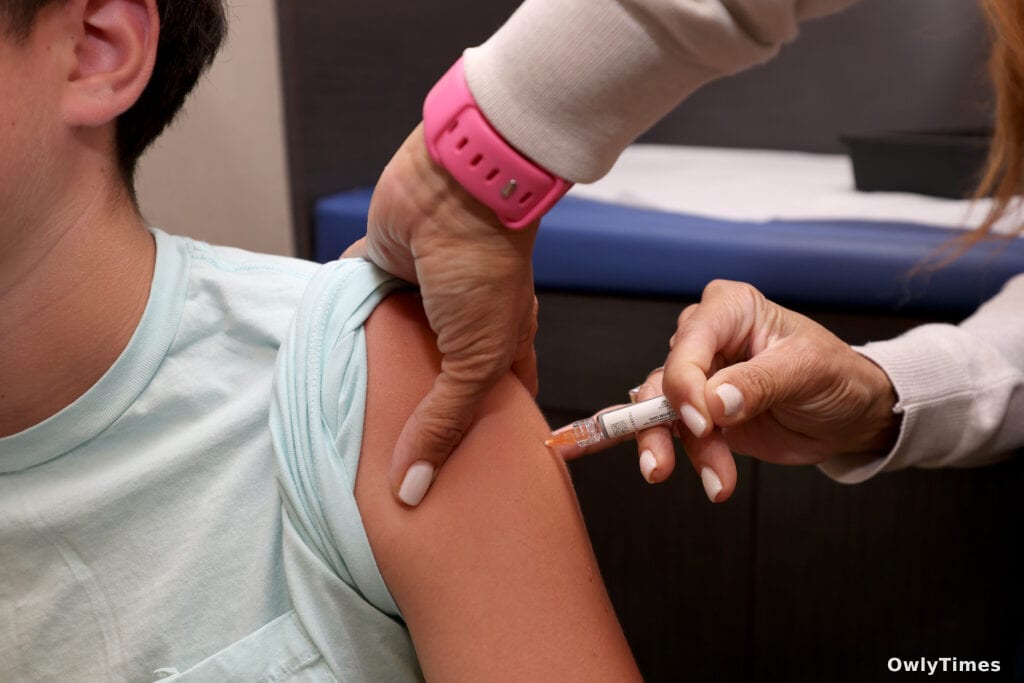

The resurgence of preventable diseases like measles, with hundreds of cases reported across 26 states in recent months, isn’t simply a public health blip. It’s a symptom of a deeper, and increasingly deliberate, erosion of scientific consensus in U.S. health policy. While vaccine hesitancy has long existed, the current situation is uniquely defined by the appointment of an outspoken vaccine critic, Robert F. Kennedy Jr., to a position of power – Secretary of Health and Human Services – and the subsequent dismantling of established immunization protocols. The narrative being presented as “returning control to parents” is, according to a growing chorus of legal and scientific voices, a dangerous undermining of decades of evidence-based public health practice, with potentially devastating consequences amplified by a changing climate.
The core of the controversy lies in the January decision by the Centers for Disease Control and Prevention (CDC), guided by a newly constituted Advisory Committee on Immunization Practices (ACIP), to remove seven routine childhood vaccinations from the recommended schedule. These aren’t simply suggestions; ACIP recommendations historically dictate insurance coverage, school requirements, and physician guidance. The rescinded recommendations covered protection against rotavirus, meningococcal disease, hepatitis A, hepatitis B, influenza, COVID-19, and respiratory syncytial virus. The CDC now advises parents to discuss these vaccines individually with their doctors, “taking the risk profile of each unique child into account.” This shift, however, ignores the reality that millions of Americans lack consistent access to healthcare providers capable of providing such individualized assessments, effectively creating a two-tiered system of protection. It’s crucial to understand this isn’t a refinement of existing guidelines, but a fundamental alteration of a system proven to save lives.
The legal challenge, spearheaded by California Attorney General Rob Bonta and Arizona Attorney General Kris Mayes, alongside 14 other attorneys general and Pennsylvania Governor Josh Shapiro, isn’t merely about the revised schedule. It’s about the process – or rather, the deliberate dismantling of the process – that led to it. The lawsuit alleges an “unprecedented attack on the nation’s evidence-based childhood immunization schedule” and highlights Kennedy’s abrupt firing of all voting members of ACIP, replacing them with individuals whose views align with his long-held, and repeatedly debunked, theories linking vaccines to autism. The administration defends these actions as prioritizing “public trust,” but the lawsuit argues this is a pretext for imposing an ideological agenda, one demonstrably at odds with scientific consensus. The claim that this is simply mirroring Denmark’s immunization schedule is misleading; Denmark possesses a universal healthcare system and a significantly different epidemiological landscape than the United States.
The implications extend beyond individual health. A 2024 CDC report, released before the recent policy changes, quantified the impact of routine childhood vaccinations between 1994 and 2023: approximately 508 million cases of illness prevented, 32 million hospitalizations avoided, and 1,129,000 deaths averted. These immunizations generated $540 billion in direct savings and $2.7 trillion in societal savings. To frame the removal of these protections as a matter of “parental choice” ignores the substantial economic and societal costs of preventable outbreaks. Furthermore, the timing is particularly concerning given the growing threat of climate change, which, as research published in Nature Climate Change in 2022 demonstrates, is already exacerbating the spread of infectious diseases by impairing human resistance and bolstering pathogen transmission.
Original reporting: insideclimatenews.org.
The administration’s response, delivered by HHS press secretary Emily Hilliard, dismissing the lawsuit as a “publicity stunt” and asserting the Secretary’s “clear authority” to revise the schedule, is deeply troubling. It avoids addressing the core concerns about scientific integrity and access to care. The statement that the changes reflect “common-sense public health policy shared by peer, developed countries” is demonstrably false, particularly when considering the context of differing healthcare systems and disease prevalence. This isn’t a debate about policy nuance; it’s a rejection of established scientific principles in favor of unsubstantiated claims. Attorney General Bonta succinctly captured the gravity of the situation: “Vaccines save lives and save our states money. To get rid of them is illogical and unconscionable.”
Looking ahead, the immediate focus will be on the outcome of the legal challenge. However, even a favorable ruling won’t automatically restore public trust. The damage done by deliberately sowing doubt and confusion will require a sustained and concerted effort to rebuild. More importantly, researchers need to investigate the long-term consequences of this policy shift. Will we see a measurable increase in disease incidence, hospitalization rates, and associated healthcare costs? How will these outbreaks disproportionately impact vulnerable populations with limited access to care? And critically, how will the interplay between climate change and reduced vaccination rates accelerate the spread of infectious diseases in the coming years? The question isn’t simply if we’ll see the consequences of this decision, but when and how severely they will manifest, and whether our public health infrastructure will be prepared to respond.