
The U.S. Supreme Court’s recent decision to dismantle remaining constraints on partisan gerrymandering is not merely a legal ruling; it is a calculated reconfiguration of the American electoral landscape. By stripping away these guardrails, the Court has effectively shifted the primary battleground of national politics from the general election to the internal map-drawing process. This move fundamentally alters the strategic calculus for both parties, favoring those with the legislative muscle to cement their majorities through geography rather than persuasion.
The Shift Toward Legislative Entrenchment
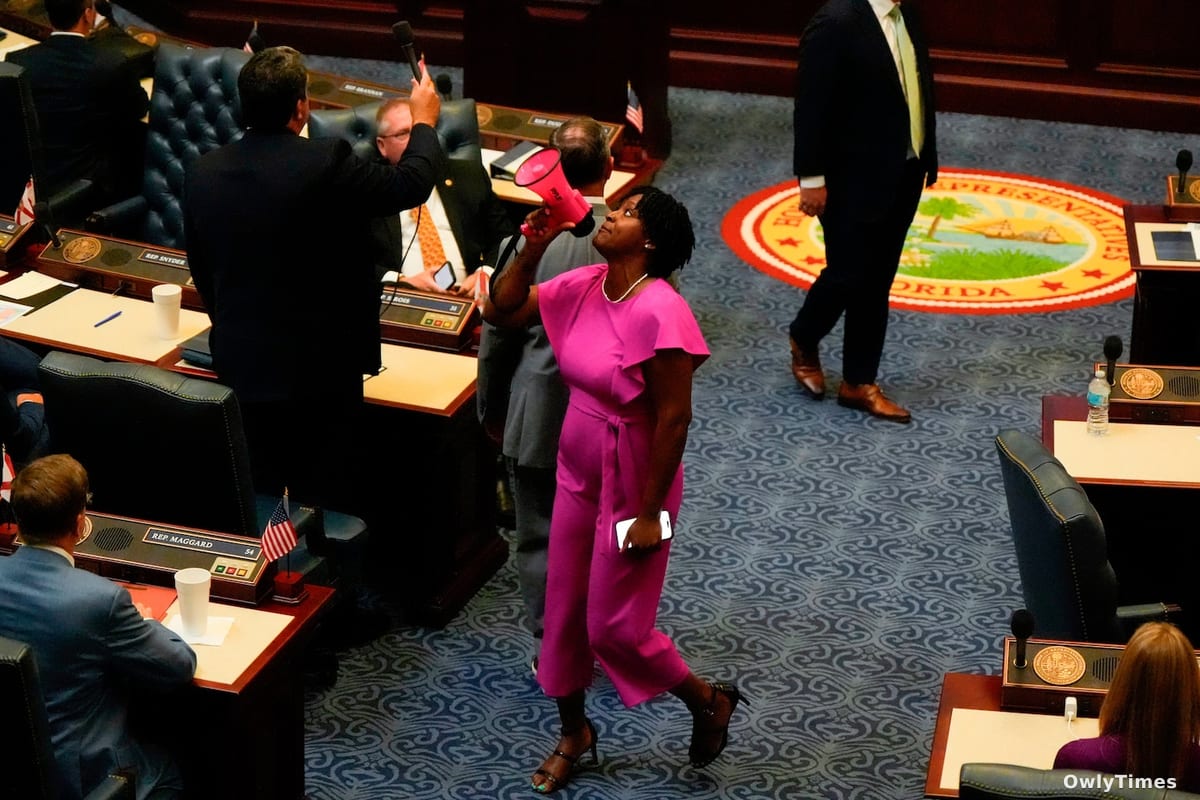
The immediate beneficiary of this judicial pivot is the party currently in control of state-level redistricting. With federal oversight diminished, state legislatures gain unprecedented autonomy to draw district boundaries that prioritize partisan safety over competitive tension. We saw the visceral reaction to this power shift on April 29, 2026, when State Rep. Angie Nixon, D-Fla., vocalized the intense opposition during a special session of the Florida Legislature. Her dissent during the vote on HB1D—a redistricting bill—underscores the volatility inherent in this new era of map-making, where the opposition is increasingly relegated to the role of a powerless bystander.
Who Benefits and Who Loses
In this environment, the winners are the architects of "safe" districts who can now immunize their incumbents from shifts in public opinion. By concentrating opposing voters into a handful of districts or spreading them thin enough to dilute their influence, the party in power minimizes the risk of electoral turnover. The clear losers are the voters themselves, particularly in marginalized communities where the ability to influence policy outcomes is tethered to the integrity of their representation. This dynamic echoes the concerns of citizens like Willie Simon, who stood outside the Memphis motel where Rev. Martin Luther King, Jr. was assassinated in 1968, reflecting on how the current erosion of political guardrails threatens to undo decades of progress.
Historical Parallels and Current Vulnerabilities
The parallels to the 2013 Supreme Court decision to gut a key provision of the Voting Rights Act are stark and troubling to observers of civil rights history. Just as that decision forced a national reckoning with the fragility of minority voting power, this latest intervention signals that the judiciary is retreating from its role as an arbiter of democratic fairness. The fear expressed by figures like Simon is that the political guardrails are not just fraying but are actively being dismantled by those who stand to gain from a less representative system. When the rules of the game are rewritten to prioritize the permanence of power over the will of the electorate, the democratic process risks losing its essential connection to the public it is meant to serve.
Watching the Legislative Fallout
The next stage of this struggle will be measured by the implementation of bills like Florida’s HB1D and the subsequent legal challenges that will inevitably seek to define the new, narrower limits of state authority. As these maps move from legislative chambers to the reality of the ballot box, the critical signal will be the margin of victory in districts that were previously considered competitive. A consistent trend of lopsided results will confirm that the Court’s decision has successfully insulated the legislative process from the corrective influence of a shifting electorate, solidifying a cycle of entrenchment that may prove difficult to break.