
The strategic calculus behind the Supreme Court’s recent decision to dismantle key components of the Voting Rights Act hinges on a judicial interpretation of progress—a move that effectively shifts the burden of enforcement from federal oversight to localized legal battles. By narrowing the scope of the Act, the Court has essentially altered the rules of engagement for electoral power, forcing advocates to pivot from systemic federal challenges to a fragmented, state-by-state defensive strategy.
The Shift in Enforcement Dynamics
When the Supreme Court guts sections of the Voting Rights Act, the immediate strategic beneficiary is the state-level apparatus that stands to gain more autonomy in redistricting and voter regulation. Conversely, the losers are voting rights advocates and minority populations whose electoral influence was previously protected by federal preclearance requirements. This transition creates a vacuum of oversight where power dynamics are increasingly determined by local litigation rather than national standards.
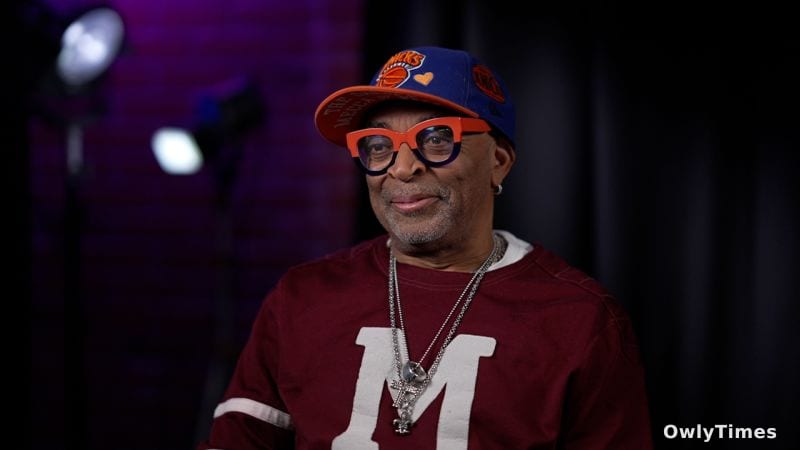
The reaction from public figures like Spike Lee, who recently told Laura Coates that the ruling constitutes an “attack on voters,” underscores the emotional and political weight of this shift. However, Lee’s pragmatic acknowledgment that “we gotta work” points to a broader recognition that the era of relying on federal intervention to secure voting access has effectively closed. Much like the societal challenges faced during past periods of political volatility, the current climate requires a redirection of activist resources toward grassroots mobilization and legislative lobbying within individual states.
The Illusion of a Colorblind Legal Framework
The tension underlying this judicial move is the disconnect between the Court’s reasoning and the lived reality of the American electorate. As noted by some Democratic observers, the judiciary’s push toward a "colorblind society" ignores the demographic and historical complexities that still define political participation in many districts. This creates a significant contradiction: while the legal framework posits an equal playing field, the practical impact of the ruling is to remove the very mechanisms designed to address historical inequities.
For those tracking the impact, the Louisiana lawmaker whose district is currently at the center of the debate serves as a bellwether for how this ruling will manifest in practice. These local districts are the new frontlines of the redistricting war. As Governor Sherrill of New Jersey has signaled regarding that state’s own redistricting battles, the fight for electoral fairness is no longer a centralized federal issue; it is a localized contest for power that will play out in courthouses and legislatures across the country.
Strategic Outlook and Future Signals
The political chess move to watch next will be the subsequent round of state-level redistricting efforts that follow this judicial precedent. The next reading of state-level voter registration and district map challenges will show whether the democratic process can withstand this reduction in federal oversight or if the current legislative landscape will trend toward further consolidation of power. As the dust settles, the efficacy of the "we gotta work" approach will be measured by the ability of disenfranchised groups to successfully navigate the newly decentralized legal environment.