
Is the Supreme Court quietly dismantling the checks and balances of American democracy? That’s not hyperbole, but a question increasingly worth asking as the court’s reliance on expedited, often unexplained rulings – dubbed the “shadow docket” – continues to grow. The real story here isn't just about Donald Trump getting his way more often; it’s about a fundamental shift in how the judicial system operates, and how that shift erodes trust in the rule of law for everyone from Silicon Valley startups to small-town homeowners.
A Court Operating in the Dark
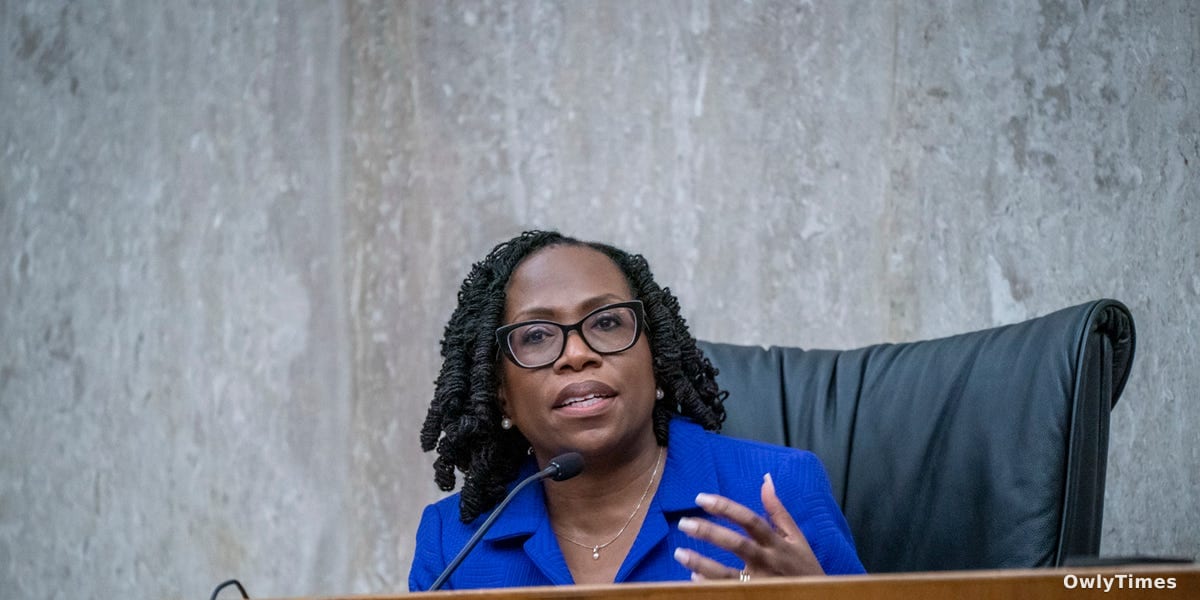
The recent public exchange between Justice Ketanji Brown Jackson and Justice Brett Kavanaugh at a Washington D.C. legal event laid bare the tension. Jackson bluntly criticized the court’s increasing willingness to intervene before lower courts have fully considered cases, calling it “a real unfortunate problem” that creates “a warped kind of proceeding.” She’s right to be concerned. Traditionally, the Supreme Court steps in after a case has worked its way through the system, offering a final appeal. Now, the conservative majority is regularly blocking lower court decisions – decisions that, crucially, were made based on established legal precedent – often with minimal explanation. This isn’t about simply resolving disputes; it’s about pre-determining outcomes.
This article draws on reporting from esquire.com.
Consider the implications for a tech company fighting a regulatory battle. Normally, they’d present their case, have it reviewed by a district court, then an appeals court. Now, a single, unsigned order from the Supreme Court can freeze the entire process, potentially allowing a policy they oppose to go into effect immediately. This isn’t just a legal inconvenience; it’s a massive disruption to business planning, innovation, and investment. And it’s happening across a wide range of issues, from labor regulations to environmental protections.
The Trump Effect, and Beyond
The surge in these “emergency filings” began during the Trump administration, with the court repeatedly intervening to overturn rulings that blocked his policies. As Jackson pointed out, these interventions allowed Trump to fire thousands of federal workers, exert control over independent agencies, and implement his immigration policies – all before lower courts could fully assess their legality. In 2023 alone, the court granted numerous requests to stay lower court rulings, effectively giving Trump’s agenda a fast track.
But Justice Kavanaugh’s attempt to downplay the issue by noting that the Biden administration has also filed emergency applications feels like a particularly cynical deflection. While the Biden administration has made similar requests, the court has granted them at a significantly lower rate, and the consequences have been far less sweeping. The difference isn’t just about who is asking, but how the court is responding – consistently favoring outcomes aligned with a conservative legal ideology. The number of shadow docket cases has increased dramatically in recent years; a 2023 study by SCOTUSblog found a significant uptick in the court’s use of this procedure, particularly in cases with clear ideological divides.
Undermining the Foundation of Legal Process
This isn’t a procedural quirk; it’s a power grab. By circumventing the normal appellate process, the Supreme Court is effectively acting as both judge and jury, deciding cases before they’ve been fully argued and considered. This undermines the principle of judicial review, which is the cornerstone of our constitutional system. It also creates a chilling effect on lower court judges, who may be hesitant to rule against the government if they anticipate the Supreme Court will simply overturn their decisions.
The long-term consequences are profound. If lower courts believe their rulings are likely to be overruled on a whim, they’ll become less willing to take on controversial cases, leading to a weakening of the judicial system as a whole. This isn’t just a problem for lawyers and judges; it’s a problem for anyone who relies on the courts to protect their rights and resolve disputes. Imagine a small business owner facing unfair competition, or a homeowner fighting a predatory lender – if the courts are effectively neutered, where do they turn?
The Future of Judicial Authority
The Supreme Court’s embrace of the shadow docket isn’t going away. In fact, expect it to become even more prevalent as the conservative majority continues to consolidate its power. The question isn’t whether the court will continue to use this procedure, but how it will refine it. Will they offer more detailed explanations for their decisions? Will they establish clearer criteria for granting emergency applications? Don’t hold your breath.
Instead, watch for a growing number of cases where the Supreme Court intervenes before lower courts have had a chance to rule, effectively shaping the legal landscape to fit its ideological preferences. And, more importantly, watch for a corresponding decline in public trust in the judiciary – a decline that could have devastating consequences for the stability of American democracy. The next major test will come with challenges to upcoming regulations on social media platforms; expect the shadow docket to play a decisive role, and expect it to favor restrictions on speech, regardless of the legal arguments.