
A 14-Month Tenure Cut Short: Cranston’s Financial Crossroads
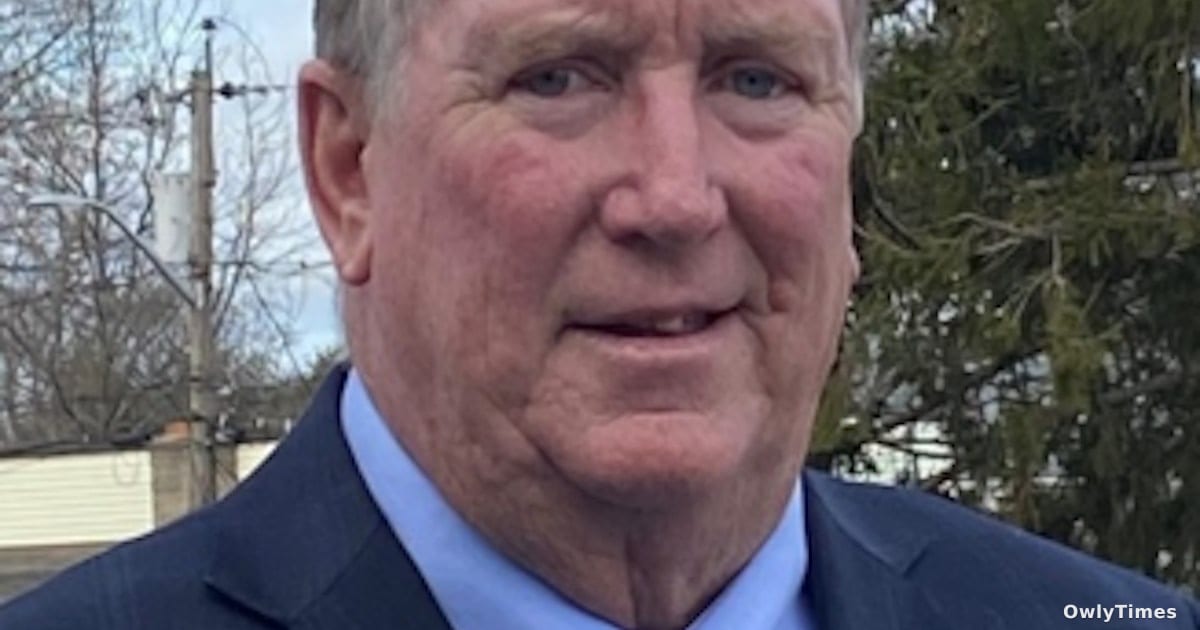
A resignation after just 14 months on the job – Thomas Zidelis’s departure as Cranston’s Finance Director, effective March 6th – isn’t simply a personnel change. It’s a flashing yellow light on the city’s precarious financial position, and a signal that the difficult work of addressing long-standing budgetary issues is about to intensify. Follow the money: Zidelis, lured out of retirement from a 20-year run as CFO of Worcester, Massachusetts, was brought in to stabilize a situation that Mayor Kenneth Hopkins now acknowledges requires “strengthening financial planning, reporting, and oversight processes.” The timing of this transition, coinciding with the impending release of a budget likely to include both tax increases and service cuts, suggests the audit results completed during Zidelis’s tenure painted a more troubling picture than publicly acknowledged.
Original reporting: golocalprov.com.
The Worcester Playbook and Cranston’s Reality
Zidelis’s track record in Worcester is key to understanding the significance of his exit. During his two decades there, Worcester underwent substantial economic development, but also navigated periods of fiscal constraint. He was known for a pragmatic, data-driven approach to budgeting – a style that, presumably, is what attracted Hopkins in the first place. However, the scale of the challenges differs dramatically. Worcester, with a population of over 200,000, benefits from a broader tax base and greater access to state funding than Cranston, which stands at roughly 82,000 residents. The fact that Zidelis is returning to retirement after a relatively short stint suggests he assessed Cranston’s fiscal outlook as requiring solutions beyond his mandate, or perhaps a level of political will not yet present. This isn’t a case of a seasoned professional seeking new opportunities; it’s a seasoned professional recognizing a potentially intractable problem.
Audit Findings and the Looming Budgetary Strain
The official narrative frames Zidelis’s departure as a natural point for “leadership transition” following the completion of the municipal audit. But the phrasing is carefully chosen. “Evaluating those findings” is bureaucratic language for grappling with unwelcome truths. Cranston is already facing headwinds. Rhode Island municipalities are contending with rising pension obligations, increasing healthcare costs, and the lingering effects of pandemic-era disruptions to revenue streams. While many cities have benefited from federal aid, that support is dwindling, leaving local governments to confront structural deficits. Hopkins’s acknowledgement of impending tax increases and service cuts – a combination that rarely pleases voters – indicates the audit revealed a shortfall larger than anticipated. The question isn’t if cuts will be made, but where and how deep they will go.
Igoe’s Interim Role and the Council’s Oversight
The appointment of Controller Michael Igoe as interim Finance Director provides a degree of continuity, but also introduces a potential conflict. Igoe, as Controller, is responsible for reporting on the city’s finances, not directing them. Placing him in the director’s chair, even temporarily, blurs those lines and could raise questions about the independence of financial oversight. More importantly, the Mayor’s stated intention to present his chosen permanent successor to the City Council for “advice and consent” is a critical point of leverage. The Council, historically divided on fiscal matters, will have the opportunity – and the responsibility – to scrutinize the candidate’s qualifications and, crucially, their proposed approach to addressing Cranston’s financial woes. This isn’t merely a formality; it’s a potential power struggle that will shape the city’s financial future.
What This Means for Your Wallet
Cranston residents should prepare for a tangible impact on their finances. A tax increase, coupled with potential cuts to essential services like schools, public safety, and parks, is a double blow. Beyond the immediate budgetary impact, the instability in the Finance Director’s office raises concerns about the city’s ability to attract and retain qualified financial professionals in the future. The key question to watch is whether the City Council will demand full transparency regarding the audit findings before approving the next budget. If the Council prioritizes political expediency over fiscal responsibility, Cranston’s financial challenges will only deepen, and residents will bear the brunt of the consequences.