
Is our reliance on a digital, interconnected world blinding us to the fragility of the physical one? While we obsess over the latest software updates or the next quarterly earnings call, the real story here isn't just the data; it’s the terrifying realization that our infrastructure—and our climate—is buckling under a "perfect storm" of conditions that our current emergency systems weren't built to handle.
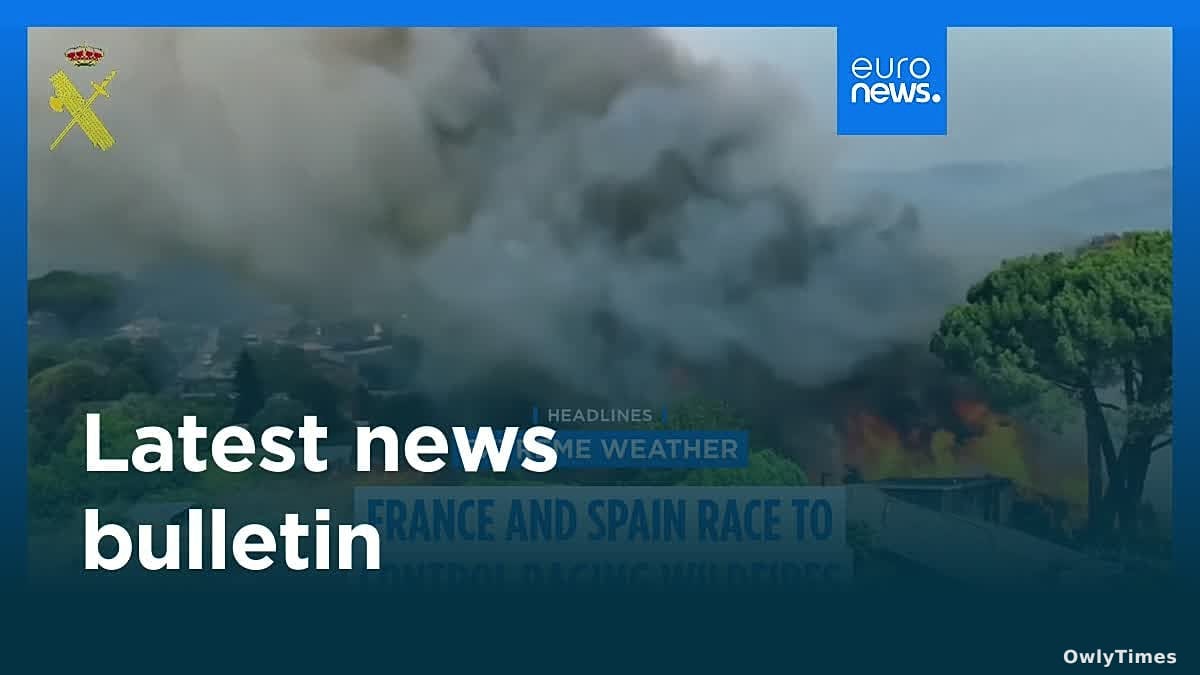
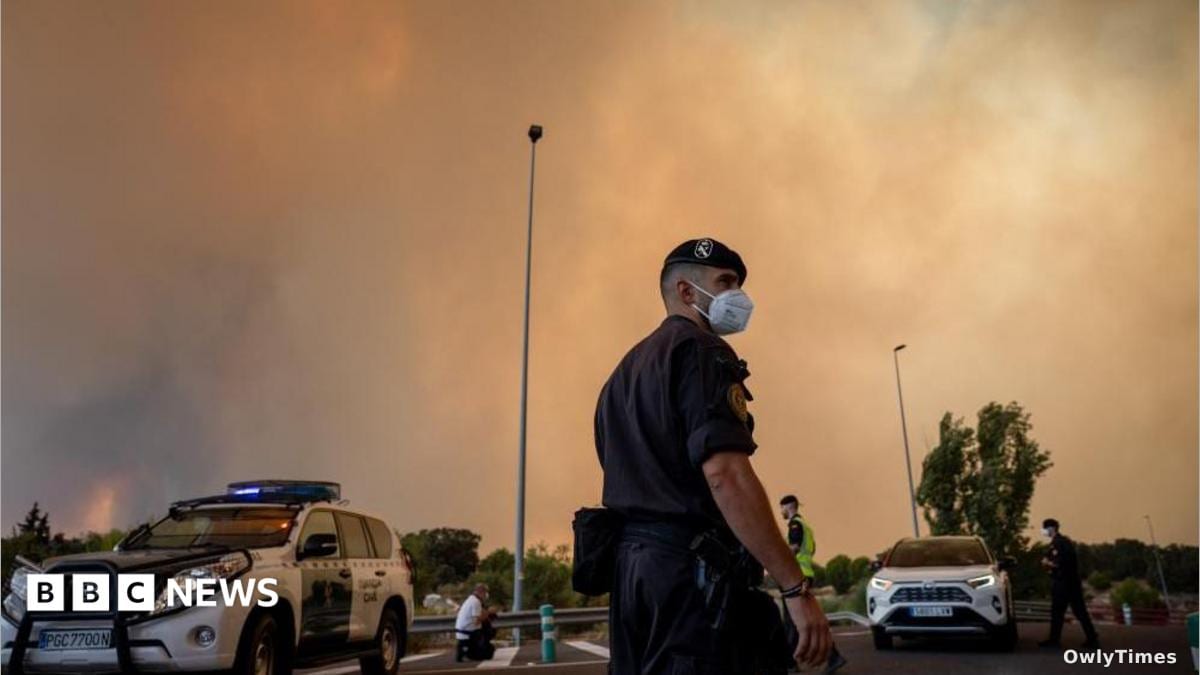
As of July 24, 2026, over 200,000 people across France and Spain have been forced to flee their homes or enter lockdown due to catastrophic wildfires, according to The Independent. The crisis has triggered a historic response, with both nations declaring national emergencies or requesting military intervention to manage blazes that officials describe as "beyond the capacity" of standard firefighting teams to contain, as reported by the BBC.
The "XXL" Fire Phenomenon
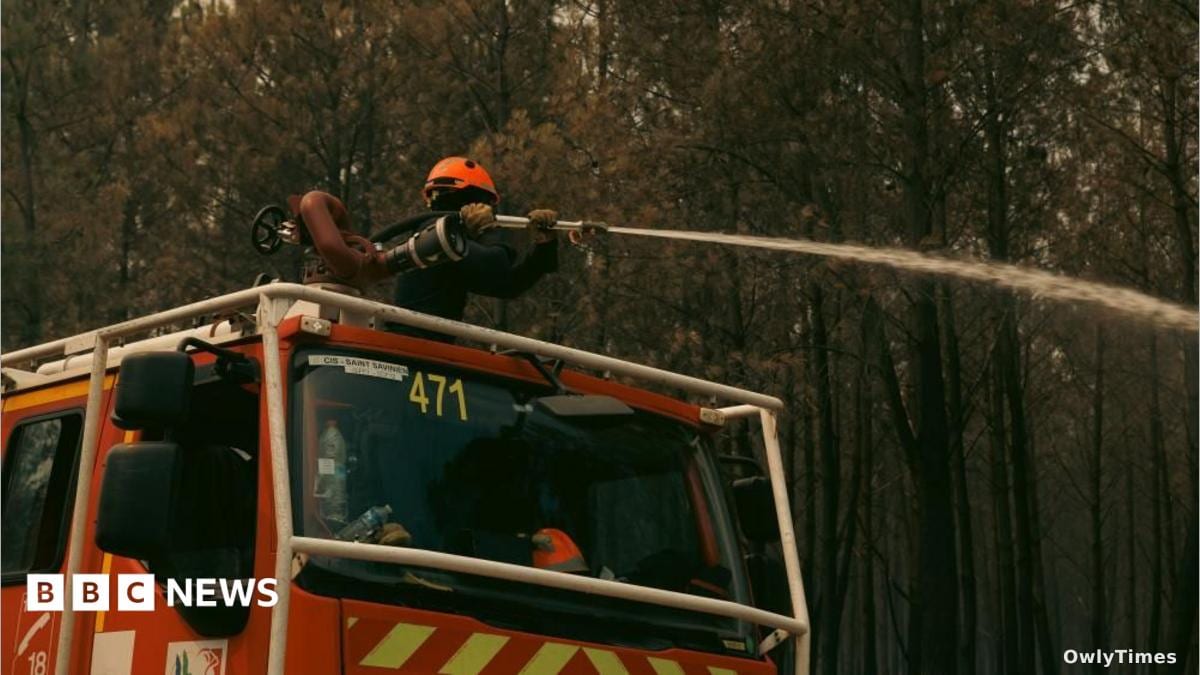
In France, the situation is concentrated in the Gironde and Landes regions, where local prefect Sophie Brocas has termed the Gironde blaze an "XXL fire." According to The Guardian, this single fire has scorched over 19,000 hectares. The evacuation of the Cap Ferret peninsula—a popular tourist destination—has been particularly harrowing, with hundreds of residents and holidaymakers fleeing by boat as flames threatened to cut off the only access road. Euronews notes that the scale of this evacuation is unprecedented, with 44,000 people displaced in the Gironde department alone.
The tactical challenge is immense. French Interior Minister Laurent Nuñez revealed that France is currently battling 32 active wildfires, with 50,000 hectares burned since the start of the year—nearly four times the amount recorded by the same date in 2025. President Emmanuel Macron has activated the EU’s civil protection mechanism, securing aerial support from Croatia, Portugal, the Czech Republic, and Slovakia to augment ground efforts, The Guardian confirms.
Spain’s National Emergency
Spain’s situation is equally dire, with the central government declaring a national emergency for the first time—a status previously only invoked during the countrywide blackout of April 2025, according to The Guardian. Madrid’s regional president, Isabel Díaz Ayuso, has characterized the inferno near the capital as the "worst fire in the history of the region."
Data reporting on the exact scale of the Spanish evacuations varies slightly across sources. The BBC reports that 30,000 people were evacuated in the Madrid region with 20,000 under lockdown, while Euronews provides a broader total for the Madrid and Ávila areas of approximately 60,000 people affected. Regardless of the exact count, the cause appears to be human error; the Civil Guard has arrested one individual and is investigating another for allegedly using heavy machinery in a restricted area, an act The Independent notes was believed to have sparked the blaze.
The Human Cost of Climate Tech
This isn't just a story about trees burning; it’s about the failure of our "firewalls" against a warming planet. The World Health Organization reports a 57% rise in wildfires across the European region since 2022. Much like a server farm overheating when the cooling system fails, these landscapes are hitting a breaking point.
The immediate outlook is grim. As officials monitor the potential for the Madrid and Ávila fires to merge, the next critical signal will be the success or failure of the newly deployed aerial reinforcements. If the current weather patterns of extreme heat and high winds persist, the "defensive measures" currently being employed may be the only thing standing between these communities and total loss.