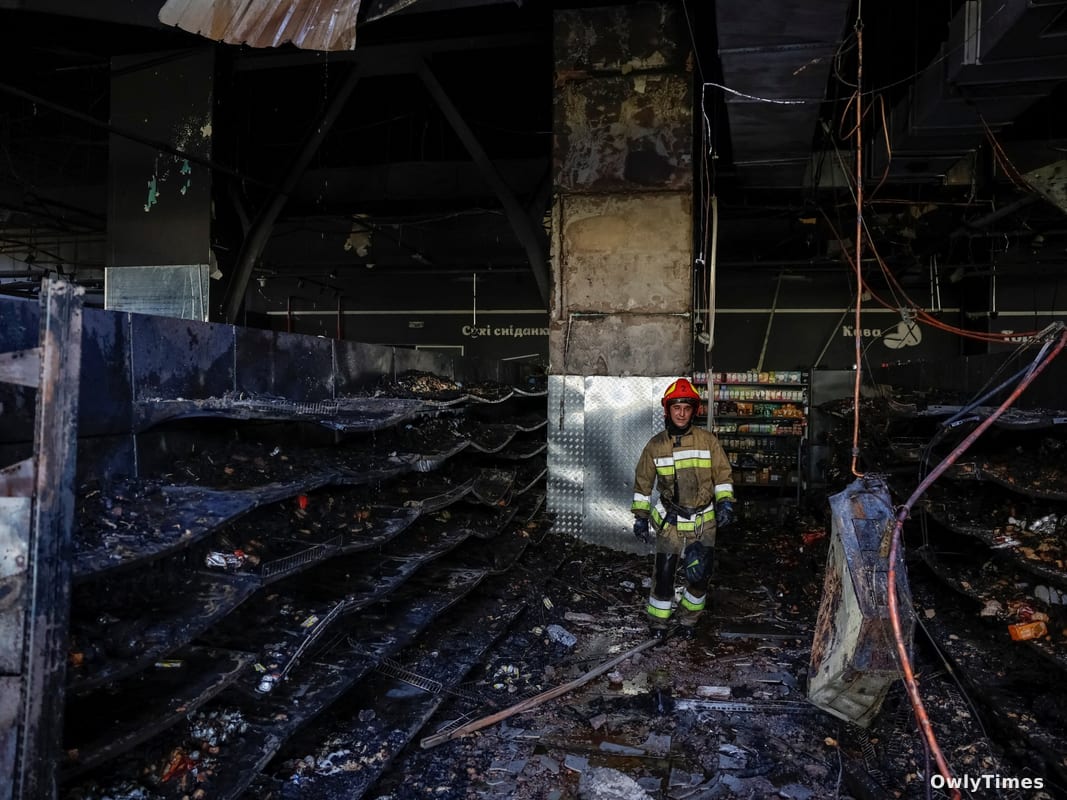

The flashing blue and red painted the February night in Webster County, Georgia, a grim tableau repeated across countless American towns. But this wasn’t a chase stemming from a stolen vehicle, or even a bar fight spilling into the street. This was the aftermath of a father, Michael Howell, pleading guilty to the arson deaths of his two daughters, a horror detailed in a February 27th announcement from the Southwestern Judicial Circuit District Attorney’s Office. While local news cycles churn with car chases and election previews – Coastal Carolina wrapping up their basketball season at James Madison University, early voting kicking off in Madison County – the Howell case feels like a brutal punctuation mark on a national conversation about fractured families and the escalating weight of unseen despair. It’s a story that demands we look beyond the headlines of everyday crime and ask what’s breaking down in the spaces where fathers should protect, not destroy.
A Spectrum of Loss and Accountability
The sheer volume of news coming out of Georgia this week is striking, even for a state accustomed to making headlines. A man arrested for motor vehicle theft, another facing felony charges after an assault – these are the incidents that typically fill local news broadcasts. But juxtaposed against the Howell case, they begin to feel like symptoms of a larger societal illness. The arrest for car theft, reported just hours before the sentencing, feels almost…minor, a fleeting distraction from the profound tragedy unfolding in Webster County. It’s a stark reminder of the uneven distribution of grief and attention. We readily absorb stories of property crime, but the deliberate taking of innocent life, especially within the family unit, forces a confrontation with uncomfortable truths about the pressures facing parents and the availability of mental health resources. The Southwestern Judicial Circuit’s announcement, while legally necessary, offers little in the way of explanation, simply stating Howell entered a guilty plea. This leaves a gaping hole where understanding should be.
Based on the original wsaw.com report.
The Quiet Erosion of Community Safety Nets
The fact that early voting is beginning in Madison County this weekend, focusing on local town council elections, isn’t incidental. It speaks to a broader trend: a renewed focus on hyperlocal politics as faith in larger institutions wanes. People are looking for solutions closer to home, for representatives who understand the specific needs of their communities. But even the most engaged local government can’t solve the root causes of tragedies like the Howell case. The problem isn’t simply a lack of law enforcement, it’s a crumbling of the social safety nets that once provided support for struggling families. Consider the context: rates of domestic violence and child abuse have demonstrably increased since the pandemic, according to data from the National Coalition Against Domestic Violence, with a 17% rise in reported incidents in some states. Yet funding for mental health services and family support programs remains chronically underfunded.
Beyond the Legal Outcome: A Father’s Failure
The legal process, while essential, offers limited solace. Michael Howell will face sentencing, but that doesn’t bring back his daughters. Nor does it address the systemic failures that may have contributed to his actions. The police department’s standard disclaimer – “the defendants are presumed innocent unless and until proven guilty in a court of law” – feels particularly hollow in this instance. Guilt has been admitted. The focus now needs to shift to understanding why. What drove a father to commit such an unspeakable act? Was it financial hardship? Substance abuse? Untreated mental illness? A combination of factors? These are the questions that demand answers, not just for the sake of Howell’s victims, but for the sake of preventing future tragedies. The case isn’t simply about justice served; it’s about a catastrophic failure of care, a breakdown in the most fundamental of human bonds.
The Ripple Effect: What This Moment Demands
The convergence of these stories – the basketball games, the local elections, the car theft, and the horrific arson – paints a portrait of a society grappling with complex challenges. We celebrate athletic achievement and civic engagement, but these moments are shadowed by the ever-present threat of violence and despair. The Howell case isn’t an isolated incident; it’s a symptom of a deeper malaise. The question now is whether we will continue to treat these tragedies as anomalies, or will we finally acknowledge the systemic issues that contribute to them? Will we invest in the mental health resources and family support programs that are desperately needed? Or will we continue to cycle through headlines of crime and loss, offering condolences but failing to address the underlying causes? The future of our communities, and the safety of our children, may depend on the answer.