
Is Google Maps quietly becoming a service for logged-in users only? For years, we’ve treated it as a public utility, a digital town square for finding your way and discovering local businesses. Now, it appears Google is subtly walling off key features – reviews, photos, even the visibility of nearby attractions – from anyone who isn’t actively signed into a Google account. The real story here isn’t a glitch or a temporary technical issue, it’s a calculated push to further entrench users within the Google ecosystem, and a worrying sign about the future of open access to information.
The Disappearing Map: What Users Are Seeing
The change first surfaced on Reddit last week, with users reporting a “limited view” of Google Maps when browsing without being logged in. It’s not a complete blackout; you still get basic directions, addresses, and phone numbers. But the rich tapestry of user-generated content – the very thing that elevated Google Maps above competitors – is significantly diminished. A comparison of a North Carolina State Park reveals a signed-in experience brimming with hotel options, rental listings, and user photos, while the signed-out version feels…sparse. Even nearby businesses and attractions vanish from the map itself. For a restaurant, the omissions are even more glaring: no dine-in/takeout/delivery status, no user reviews, no popular times, no menus.
See the original 9to5Google story for the full account.
Google’s official explanation, delivered via a pop-up message, is frustratingly vague. They blame “issues,” “unusual traffic,” or browser extensions, suggesting signing in is the easy fix. This feels less like troubleshooting and more like a nudge – a very firm nudge – towards mandatory account creation. It’s worth remembering that in 2023, Google boasted over 2.7 billion active users across its suite of services. Each new login is another data point, another opportunity for targeted advertising, and another user locked into their walled garden.
The Value of Lost Data: Beyond Convenience
The loss of user reviews is particularly concerning. Google Maps has amassed a massive database of local business feedback over the years – a resource that’s become invaluable for consumers and small business owners alike. These aren’t just star ratings; they’re detailed accounts of experiences, warnings about poor service, and recommendations for hidden gems. Removing that information from anonymous users effectively silences a significant portion of the public voice. Consider the impact on tourism: a traveler arriving in a new city without a Google account is now at a distinct disadvantage, lacking the collective wisdom of previous visitors.
This isn’t simply about convenience. It’s about the democratization of information. For years, Google Maps leveled the playing field, allowing small businesses to compete with larger chains based on merit and customer satisfaction. By prioritizing logged-in users, Google subtly shifts the advantage back towards businesses with robust marketing budgets and the ability to actively manage their online presence.
A Pattern of Restriction: The Broader Trend
This isn’t an isolated incident. Google has been steadily tightening access to its services for anonymous users. YouTube, for example, increasingly restricts features for those who aren’t signed in. The company’s rationale often centers around combating abuse and improving security, but the effect is the same: a gradual erosion of the open web. This strategy aligns with a broader trend in Silicon Valley, where personalization and data collection are prioritized above all else. The argument is always that a tailored experience is a better experience, but at what cost?
The silence from Google on this Maps change is telling. They haven’t issued a public statement explaining the rationale, nor have they acknowledged the concerns raised by users. This lack of transparency fuels suspicion that the move is less about technical issues and more about strategic control. Google is a company built on data, and limiting access to its services is a clear signal that they value your login more than your anonymity.
What Happens Next: The Future of Navigation
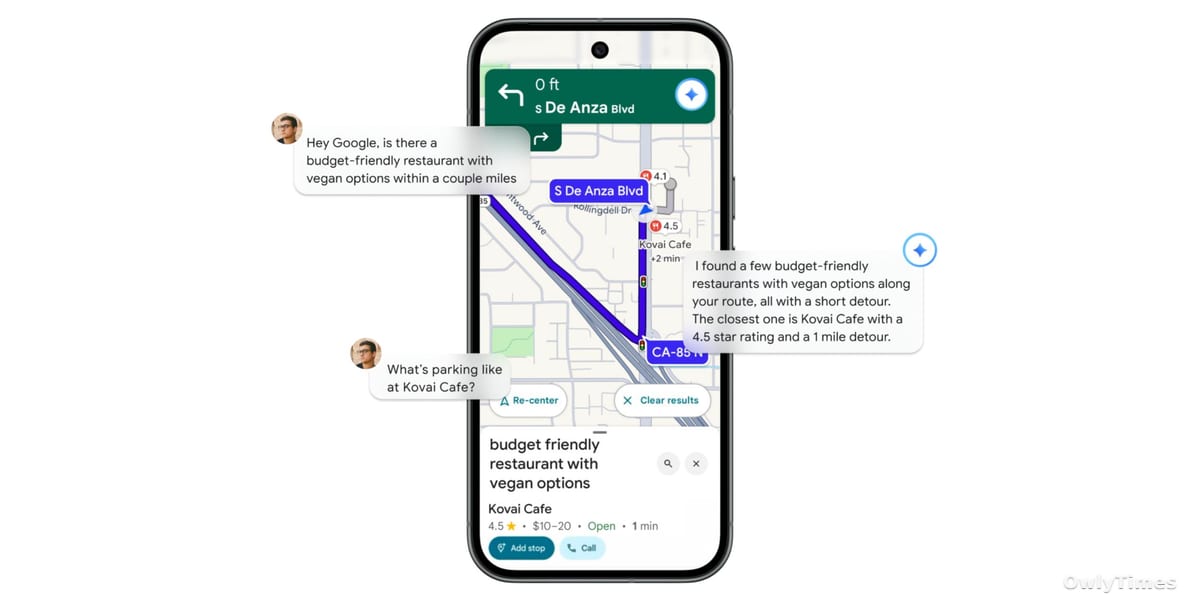
Expect this trend to accelerate. Google will likely continue to roll out features exclusively for logged-in users, gradually making the anonymous experience increasingly limited. The company is already integrating Gemini, its AI model, into Google Maps, promising richer, more visual results – features that will almost certainly be reserved for those with Google accounts. The question isn’t if Google Maps will become a primarily logged-in service, but when the anonymous experience becomes effectively unusable. Watch closely for the next feature launch. If it’s only available to signed-in users, consider that a confirmation: the map is no longer for everyone.