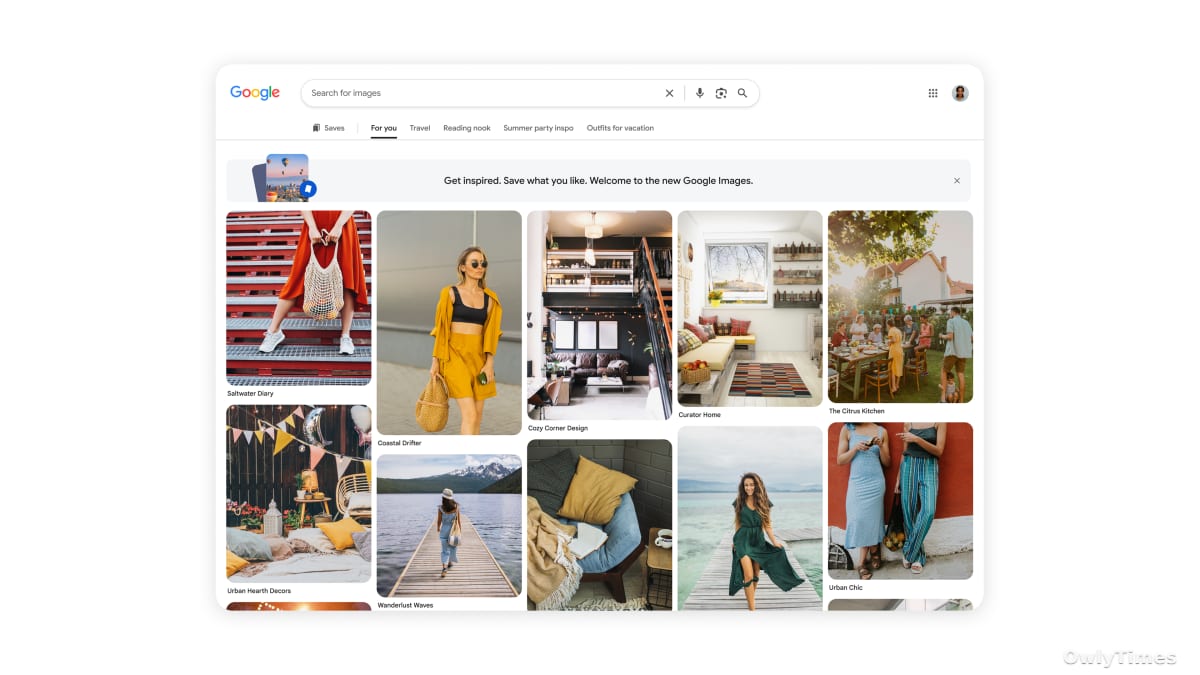

How do we reconcile the utility of a search engine with the desire for visual discovery? For twenty-five years, Google Images has functioned primarily as a retrieval tool, but a significant platform update suggests the company is pivoting toward a more immersive, inspiration-led experience. By introducing a “For You” feed of curated visuals and integrating generative artificial intelligence directly into the search interface, Google is attempting to evolve from a destination where you find specific files into a space where you explore ideas.
A Shift Toward Curated Discovery
The most immediate change to the Google Images experience is a move toward a dynamic, browsable homepage that populates recommendations even before a user enters a search query. As The Verge reports, this replaces the traditional, minimalist search bar with a feed that feels reminiscent of platforms like Pinterest or Imgur. TechCrunch notes that this design is intended to foster continuous browsing, with a “For You” gallery that updates in real-time based on a user’s interests and previous activity.
While the core functionality of searching for specific images remains, the new interface prioritizes visual inspiration. Engadget points out that users can organize these findings into collections, which will appear as distinct tabs above the main gallery. This allows for a more fluid workflow, enabling users to toggle between general search results and their own saved inspiration boards. It is important to note that these features will only be available to users who are signed into their Google accounts and will roll out over the coming weeks on desktop in the U.S. in English.
The Integration of Generative AI
Beyond the aesthetic redesign, Google is embedding its latest generative AI model, dubbed Nano Banana, directly into AI Overviews within Search. This allows users to create custom visuals from text prompts without navigating away from the search results page. The Verge identifies this specifically as the “Nano Banana 2 Lite” model, while TechCrunch refers to it as the “Nano Banana” model. This discrepancy in nomenclature suggests that while the underlying technology is consistent, the specific versioning remains a subject of ongoing technical clarification.
This feature is designed for scenarios where a user’s vision does not yet exist on the web, such as visualizing a room renovation or specific interior design themes. The goal is to keep users within the Google ecosystem rather than seeking out third-party AI image generators. However, the rollout is subject to regional limitations; it will be available in all areas that currently support image creation in AI Mode.
Navigating the Limitations of AI Integration
While the updates offer a modern interface, they invite questions about the boundaries of AI-generated content. For instance, The Verge has actively questioned Google regarding what specific prompts trigger image generation and what safety guardrails exist to prevent the AI from creating problematic content, particularly concerning current events.
Consumers should also recognize that the “intelligent” tailoring of the new image gallery relies heavily on personal browsing history. While this may increase convenience for some, it necessitates a trade-off in privacy for those who prefer not to have their search behavior tracked to influence their feed. Furthermore, for users who prefer the classic, functional search experience, the addition of AI Overviews may feel intrusive; Engadget notes that those who wish to avoid these AI features can opt to switch them off entirely.
As the platform moves forward, the success of this redesign will likely be measured by whether these “collections” and “For You” tabs actually provide lasting value for users or simply increase the time spent on the page for ad-targeting purposes. The next phase of this development will involve observing how the AI model handles complex visual queries and whether Google can effectively balance its role as a search index with its new ambitions as a creative content engine.