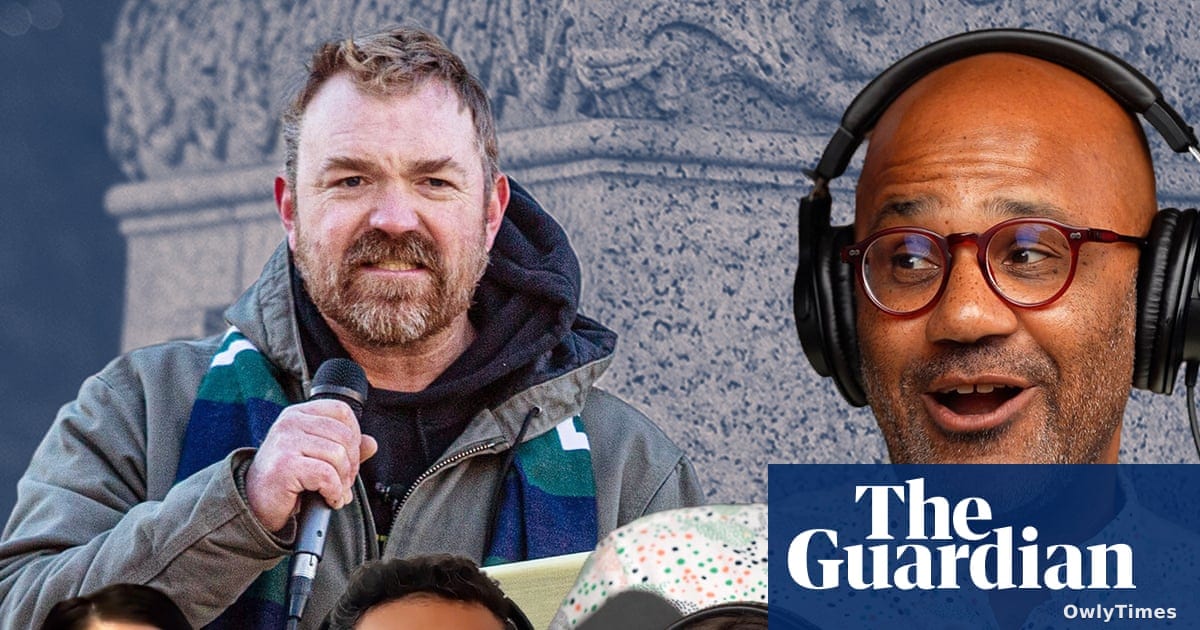

The strategic calculus behind Graham Platner’s withdrawal from Maine’s U.S. Senate race is a blunt attempt to preserve a viable path to the chamber for the Democratic Party, which views the seat as essential to maintaining its narrow majority. By exiting the race following a new sexual assault allegation—brought by Jenny Racicot, who told NBC News and CNN that Platner forced her to have sex in 2021—Platner removes a candidate whose mounting personal scandals had become a political anchor. The move shifts the battleground from a defensive fight against a nominee plagued by reported past misogynist Reddit posts and a controversial tattoo, as detailed by The Guardian, to a frantic scramble for a replacement capable of unseating Republican incumbent Susan Collins.
In the "who benefits and who loses" framework, the Maine Democratic Party emerges as the primary beneficiary, gaining a narrow window to replace a compromised candidate. Conversely, the party’s progressive wing—which previously saw Platner as a vehicle for their agenda—now faces a loss of influence as the party machinery pivots toward more established, potentially moderate alternatives. The urgency is underscored by the electoral calendar: NBC News reports that Maine law dictates a July 27 deadline to submit a new nominee, a date confirmed by ABC News. While Platner officially filed his withdrawal on Friday, ABC News previously noted he was expected to do so by Monday, highlighting the fluidity of the transition.
The Mechanics of the Succession
The Maine Democratic Party is currently navigating a legislative vacuum regarding candidate replacement. According to NBC News, the party lacks a formal process in its bylaws for this scenario, forcing them to organize a nominating convention on July 25. This event will involve 601 delegates, a figure provided by NBC News, to settle the field. Party leadership, including executive director Devon Murphy-Anderson, has signaled that while the process will involve delegate voting, candidates will also be required to collect petitions from Maine Democratic voters to qualify for consideration.
A Crowded Field of Contenders
The vacuum left by Platner has triggered a rapid influx of hopefuls, most of whom have prior experience in Maine’s electoral trenches. ABC News reports that former state Senate president Troy Jackson, who recently sought the gubernatorial nomination with the backing of U.S. Sen. Bernie Sanders, has entered the race with the support of the organization Our Revolution. He is joined by former Maine CDC director Nirav Shah, who finished second in the gubernatorial primary, and Maine Secretary of State Shenna Bellows, a former 2014 Senate nominee against Collins. The field also includes Daniel Kleban, co-founder of Maine Beer Company, and Costello, who finished third in the June primary, alongside newer entrants like Wood and Loud.
Precedents of Political Redemption
The trajectory of Platner’s campaign echoes historical patterns where grassroots movements attempt to challenge the "political establishment," only to be undone by the candidate’s personal conduct. The Guardian notes that even as scandals—including allegations of physical intimidation from three former partners published by the New York Times—surfaced, voters remained resistant to abandoning him. This reflects a broader struggle within the party over who is granted the privilege of political redemption and whether the alignment of a candidate’s stated values outweighs the documented character flaws discovered during the vetting process.
The political chess move to watch next is the July 25 convention. While the party aims for transparency, the tension between the grassroots supporters who backed Platner’s populist platform and the establishment figures now seeking to reclaim the ballot line will determine the unity of the party heading into the November general election.