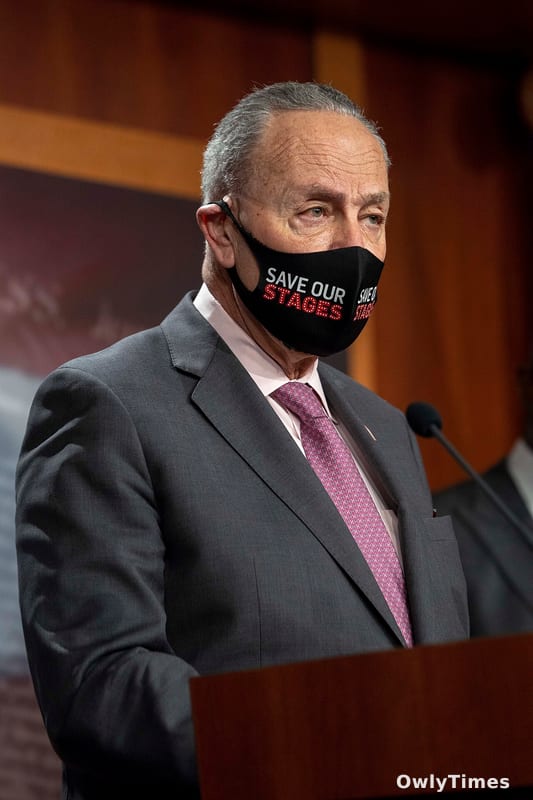

The escalating standoff between national Democratic power brokers and organized labor in Maine’s Senate primary isn’t about a single candidate; it’s a calculated risk assessment regarding the party’s long-term viability with its core working-class base. Senate Minority Leader Chuck Schumer and the Democratic Senatorial Campaign Committee (DSCC) are doubling down on their support for Governor Janet Mills, despite mounting evidence – and direct warnings from union presidents – that she is a demonstrably weaker candidate than her primary opponent, Graham Platner. This isn’t a miscalculation born of ignorance, but a strategic bet that electability trumps ideological alignment, even if it means alienating key constituencies.
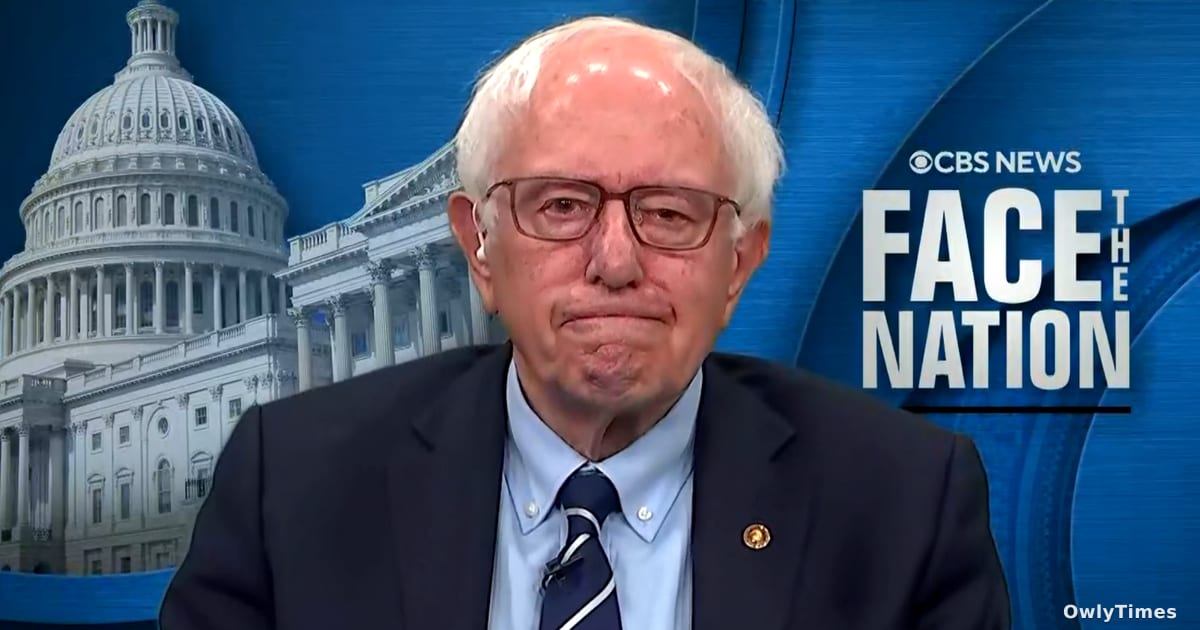
The immediate trigger for the current friction was a conversation between Shawn Fain, President of the United Auto Workers, and Schumer earlier this month. Two sources familiar with the call confirm Fain used the opportunity to voice concerns about the Democratic leadership’s broader disconnect from working-class voters, specifically citing the Maine Senate race as a case study. Simultaneously, Michael Monahan, international vice president of the International Brotherhood of Electrical Workers, sent a letter to DSCC leadership explicitly urging them to withdraw support for Mills, citing polling data showing Platner with a substantial lead – a 38-point advantage in a University of New Hampshire poll from mid-February. The DSCC has dismissed these concerns, touting Mills’ record and fundraising potential, but the coordinated pushback from labor signals a deeper fracture within the party.
Drawn from NBC News.
Who benefits and who loses from this internal conflict? The DSCC and Schumer benefit from maintaining control over the narrative and potentially securing a candidate they perceive as more palatable to moderate voters. Their calculus centers on Mills’ established political brand and her history of winning elections in Maine, a state Senator Kirsten Gillibrand described as having a unique need for a candidate with “grit and the chops to really take on Susan Collins.” Conversely, Platner, despite past controversies – including offensive Reddit posts and a tattoo with Nazi associations – stands to gain from the union support and the narrative of an outsider challenging the establishment. Labor unions lose influence if the DSCC continues to disregard their preferences, potentially leading to decreased voter turnout and financial support in future elections. The biggest loser, however, could be the Democratic Party itself, if alienating its base ultimately weakens its chances of flipping the Senate.
This situation echoes historical precedents where party leadership prioritized perceived electability over grassroots enthusiasm, often with detrimental results. The 1988 Democratic presidential primary, where Michael Dukakis secured the nomination despite strong challenges from more progressive candidates like Jesse Jackson, serves as a cautionary tale. Dukakis, seen as a safe and pragmatic choice, ultimately lost to George H.W. Bush, in part due to a lack of passion among key Democratic constituencies. Similarly, the Democratic establishment’s initial reluctance to fully embrace Barack Obama in 2008, favoring candidates like Hillary Clinton, demonstrates the risk of underestimating the power of a grassroots movement. In both cases, the party underestimated the importance of energizing its base, and the consequences were significant.
The Mills campaign is attempting to counter the narrative by highlighting her pro-labor actions, such as increasing the minimum wage and strengthening worker safety standards. However, her vetoes of labor-backed legislation in 2019 and 2021 – actions described as “adversarial” by David Sullivan of the International Association of Machinists – undermine this messaging. The fact that several unions, including the UAW, are openly considering supporting Republican Susan Collins if Mills wins the primary underscores the depth of the discontent. This isn’t simply about policy disagreements; it’s about a perceived lack of respect and genuine engagement with the concerns of working-class voters.
The political chess move to watch next isn’t whether the DSCC will reverse course on its support for Mills – though that remains a possibility. It’s whether Graham Platner can successfully leverage the union support and continue to close the fundraising gap. Specifically, the upcoming Zoom call between David Sullivan and the DSCC will be critical. Will Sullivan be able to persuade the committee to reconsider its position, or will the DSCC double down on its commitment to Mills, effectively declaring war on organized labor? The answer to that question will reveal a great deal about the future direction of the Democratic Party and its relationship with the working class.